If someone had told us three years ago that we’d be nervously eyeing a €5,000 antique vase in a Italian Farmhouse while a 2 labradors played zoomies nearby, we probably would have stayed in our apartment in Bochum. Yet, here we are.
We’ve spent hundreds of nights in other people’s homes, from rustic farmhouses in Tuscany to modern glass apartments in the Swiss Alps. And while 99% of house sitting is cuddling pets and sipping coffee with a view, there is always that lingering question in the back of your mind: What happens if something goes wrong?
It’s the elephant in the room, or perhaps the bull in the china shop. Insurance isn't the sexiest topic. It’s certainly not as fun as discussing house sitting opportunities in the Caribbean. But if you are serious about this lifestyle, understanding liability is arguably more important than knowing how to use the espresso machine.
Below, we’re breaking down the murky world of insurance coverage for house sitters. We’ve poured over the Terms and Conditions so you don’t have to.
A Very Important Disclaimer
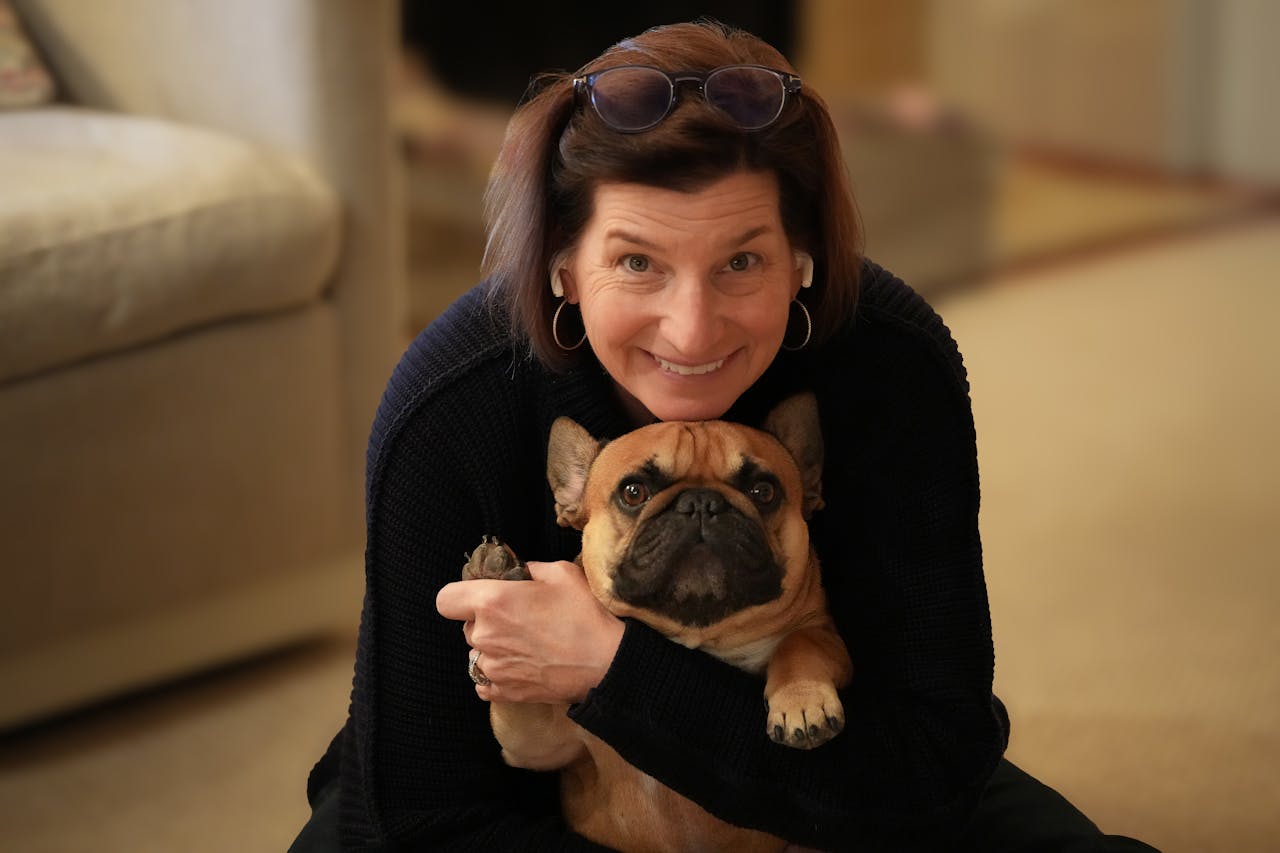
Let’s be real for a second: We are not insurance brokers, lawyers, or financial advisors. We are Caro and Konrad, two travelers who live in a van and look after dogs. The information below is based on our personal reading of the terms and conditions of major platforms like Trusted House Sitters and Nomador, as well as our own experiences. Insurance policies change, and every homeowner’s existing policy is different. Always read the fine print yourself and consult a professional if you’re unsure.

The Big Question: Who is Responsible?
In the simplest terms, liability usually boils down to one specific word: Negligence.
If a pipe bursts while you are house sitting a dog and floods the kitchen, that is generally the homeowner’s responsibility (and their home insurance). You, as the sitter, couldn't have predicted or stopped a rusty pipe.
However, if you leave the bathtub running to take a phone call and that floods the kitchen, that is negligence. In that scenario, the sitter is likely on the hook for the damages.
But life is rarely that black and white. What if the dog chews the sofa while you’re in the shower? Is that negligence because you weren't watching him, or just a dog being a dog? This is where having the right coverage and the right platform makes all the difference.
Insurance on Major Platforms
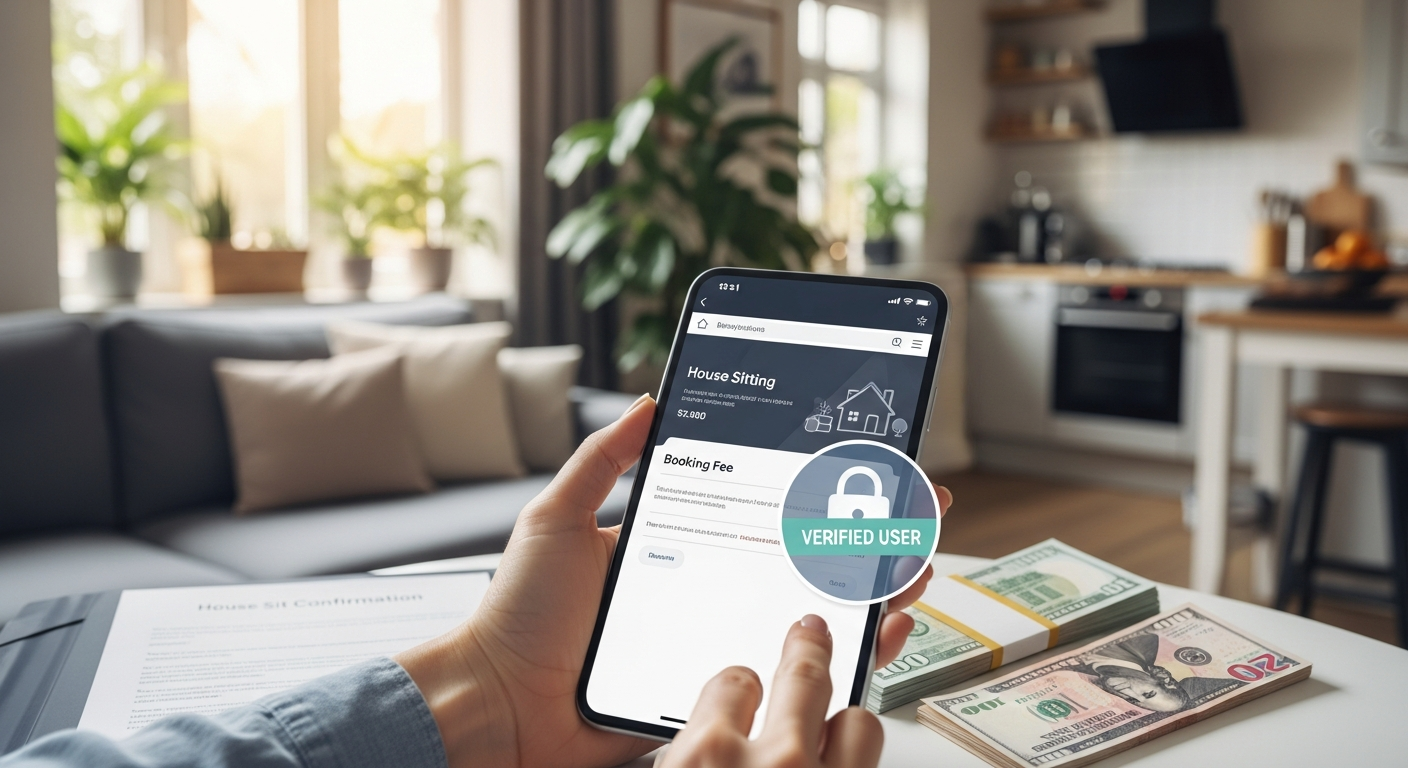
One of the main benefits of using a paid house sitting platform versus free classifieds is that the big players often include some level of insurance or guarantee. This provides a safety net that Facebook groups simply can't match.
Trusted House Sitters (THS)
We use Trusted House Sitters for the majority of our sits. They have a tiered membership system, and the insurance coverage depends heavily on which tier you buy.
According to their T&Cs, their Home & Contents Protection is designed to be a secondary layer of defense. This means if you are a homeowner, you must claim on your own home insurance policy first. The THS guarantee only kicks in if:
Your insurer refuses the claim (and you can prove it).
The cost falls within your insurer’s deductible (excess).
For sitters, THS offers Sitters Liability Protection (included in Standard and Premium memberships). This covers the sitter if they are legally liable for accidents or injury to third parties or damage to the homeowner's property.
The Catch: It specifically excludes "Intentional acts" or contractual liability. Also, it’s important to note that this is usually subject to a deductible that the sitter might have to pay. If you are looking to join, you can use a discount code for Trusted House Sitters to offset the cost of the higher-tier membership, which we think is worth it for the peace of mind alone.

Nomador
Nomador takes a slightly different approach with their "Home Protection." Their coverage is often included in the "Confidence" badge level.
Their policy generally covers accidental damage caused by the house sitter to the owner's property. What we like about Nomador’s wording is that it acknowledges the "accidental" nature of life. If you knock over that vase we mentioned earlier, Nomador’s insurance is designed to help cover the costs, provided you were a verified member at the time.
However, like all platforms, they have exclusions. They generally won't cover wear and tear, or damage caused by the pets themselves (unless the sitter was negligent in controlling the pet).
For The Homeowners: Check Your Policy
If you are a homeowner reading this, don't assume your standard home insurance covers a house sitter.
Many standard policies have clauses about the home being "unoccupied" for more than 30 days. While a sitter solves the "unoccupied" problem, some insurers view sitters as "guests," while others might view them as "tenants" or "employees" depending on whether money changes hands.
Since most house sitting is a cashless exchange, you are usually safe from the "employee" classification, but it is vital to call your provider. Tell them: "I will have a guest staying in my home for X weeks who is not paying rent. Are my contents still covered?"
If you are listing your home for house sitting on US platforms, clarify if you need a "Landlord" policy or if your standard "Owner-Occupier" policy suffices.
For The Sitters: Personal Liability
As full-time nomads, Caro and I carry our own travel insurance. Most quality travel insurance policies (like those from SafetyWing or World Nomads) include Personal Liability coverage.
This is your golden ticket. If you are sued because the dog got out and caused a car accident, or you accidentally burned down the gazebo, personal liability coverage is there to protect you from bankruptcy.
Before you pack for your house sit, check your travel insurance policy wording. Look for "Personal Liability" or "Third Party Liability." If you are doing house sitting for remote workers in your own country, your standard renter's or homeowner's insurance might cover you for liability even when you are away from home.
What is "Negligence" Really?
We touched on this, but it’s the source of most disputes. To avoid being labeled negligent, you simply need to act as a "prudent person" would.
Not Negligent: You locked all doors, but a burglar broke a window.
Negligent: You left the front door wide open to go to the grocery store, and the TV was stolen.
Not Negligent: The dog got sick despite you following the diet plan.
Negligent: You fed the dog chocolate because you didn't know it was toxic.
This is why we always say you shouldn't just try to get house sits without prior experience by faking it. You need to know what you are doing.

Resolving Issues When They Arise
Even with the best intentions, things break. We once had a coffee machine stop working mid-sit. It was old, and it just gave up the ghost. Here is how to handle it:
Communication is Key: Don't hide it. Send a message immediately. "Hey, I’m so sorry, but the handle on the mug snapped while I was washing it."
The "Replace or Repair" Rule: If it’s something small (a plate, a glass, a cheap appliance), we usually offer to replace it immediately. It’s a small price to pay for a 5-star review and a good relationship.
Consult the Platform: If the damage is significant (e.g., a stained white carpet or a broken window), and the owner is demanding payment, involve the platform's support immediately. This is where Trusted House Sitting conflict resolution teams earn their keep.
Don't admit liability immediately: State the facts of what happened ("The wind slammed the door shut and the glass cracked") rather than taking blame ("I broke the door"). Let the insurance decide liability.
Prevention is the Best Insurance
The best way to handle insurance claims is to never have one.
The Walkthrough: When you arrive, do a thorough walkthrough. If you see a crack in the window or a wobbly chair, point it out before the owners leave.
The Guide: Ensure the welcome gift for house sitters (the house guide) includes instructions for alarms, water mains, and fuse boxes. Knowing how to turn off the water quickly can save thousands in damages.
Secure the Pets: Damaging property during a house sit is bad, but losing a pet is worse. Always double-check gates.
Is House Sitting Worth the Risk?
Absolutely. We have done over 14 sits across eight countries. We live in luxury house sits that we could never afford to rent. The key is simply treating the home with more respect than you treat your own.
When you join a community like House Sitters America or Kiwi House Sitting, you are entering a trust economy. Insurance is the safety net, but trust is the currency.
If you are nervous, start small. Look for house sitting near me to get comfortable with the responsibility before flying halfway across the world.
Good luck, keep those doors locked, and enjoy the free rent!
Caro & Konrad 🐾🚐
DM us @housesittersguide if you have questions!

Do house sitters need their own insurance?
While not mandatory on all platforms, it is highly recommended. Many house sitters rely on the "Personal Liability" section of their travel insurance or existing renter's insurance to cover them if they are found negligent for damage or injury.
Does Trusted House Sitters insurance cover everything?
No. The Trusted House Sitters "Home & Contents Protection" is a secondary policy. It generally only applies if the homeowner's primary insurance denies the claim or to cover the deductible. It also has specific exclusions regarding intentional damage or wear and tear.
What happens if a pet gets sick while house sitting?
If the illness is due to natural causes, the homeowner is responsible for vet bills. If the illness is caused by the sitter's negligence (e.g., feeding the dog toxic food), the sitter may be held liable. Most platforms recommend having a clear plan for vet payments before the sit begins.
Does homeowner insurance cover house sitters?
It depends on the policy. Some insurers view sitters as guests and cover them, while others may void coverage if the home is "unoccupied" by the owner for more than 30 days. Homeowners must check with their specific provider.
Who pays for accidental damage during a house sit?
Minor accidental damage is often settled amicably between the sitter and owner (e.g., the sitter replaces a broken glass). For major damage, it depends on whether the damage was accidental or due to negligence. Platform guarantees like Nomador's Home Protection may assist if the sitter was not negligent.