A 30-kilogram Chocolate Labrador is currently using my foot as a pillow, and her gentle, rhythmic snores are the only sound in the room besides the clicking of my keyboard. Her brother, a slightly older and wiser Lab, is curled up on a rug nearby.
It’s a scene of perfect, tranquil domesticity. This is the surprising truth about house sitting a dog: for all the potential chaos you might worry about, the chewed shoes, the frantic barking, the emergency vet visits, the reality is often just this.
Quiet companionship. But getting to this point, to this level of calm and trust, isn’t an accident. It’s the result of a system.
When you’re just starting out, the idea of caring for someone’s beloved dog in an unfamiliar house can be daunting. You’ve already navigated the best house sitting apps and built a killer House Sitting Profile, but now comes the real test.
It’s not about just keeping the dog alive; it’s about stepping seamlessly into an owner’s shoes, maintaining routines, understanding unspoken needs, and being prepared for the moment things don’t go according to plan.
While cats are often more independent, leaving you ample time to explore or work, house sitting with dogs is a more immersive experience. It’s a deep dive into another creature’s world. And after dozens of sits, from energetic Shepherds in the Alps to sleepy seniors in the Italian countryside, we’ve built a playbook for not just surviving, but thriving.
This isn't about the basics of feeding and walking. This is the next level, the strategies that separate novice sitters from the pros who get invited back again and again.
The Pre-Sit Playbook: The Art of Full Disclosure
The most critical part of any successful dog sit happens before you even confirm the booking. You can’t solve a problem you don’t know exists. The responsibility for this begins with the homeowner, but the diligence to uncover it rests with you.
An owner’s listing should be a transparent window into their dog's life. We’re talking about everything from medication schedules to known behavioral quirks like separation anxiety or leash reactivity.
This information is vital for you to decide if the sit is a good fit. If an owner fails to disclose a major issue in their public profile, it’s a violation of trust and could put you in a difficult or even dangerous situation.
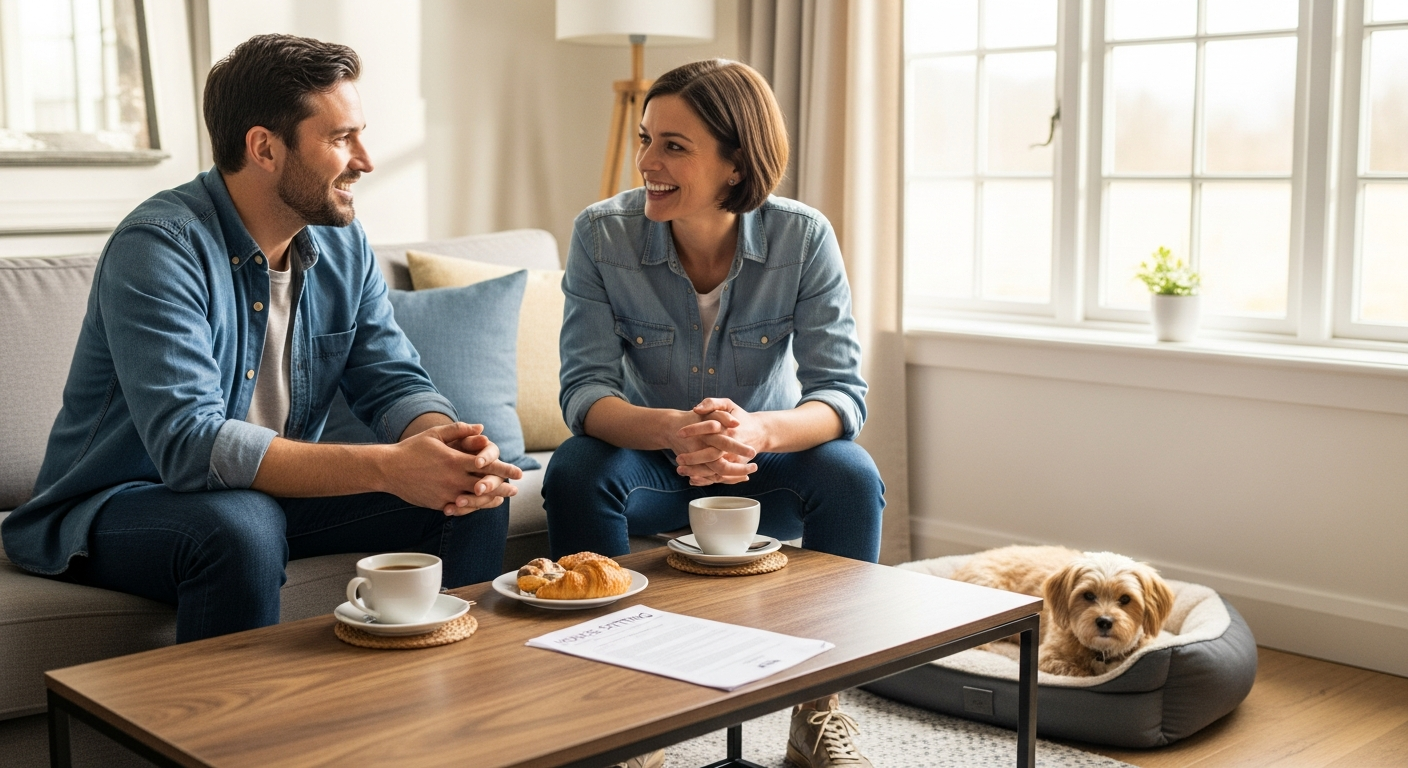
This is where your interview process becomes your first line of defense. If you get on a video call and an owner casually mentions, “Oh, by the way, he can be a bit aggressive with other male dogs,” after it was nowhere in their listing, you need to pause.
We see this as a potential red flag. Why wasn't this crucial piece of information shared upfront? It's up to your judgment whether it's a deal-breaker, but it warrants deeper questioning.
Your Pre-Sit Checklist:
Scrutinize the Listing: Read every single word. If it’s vague, ask for specifics.
Ask Direct Questions: On the call, don't be shy. Ask, “Are there any behavioural issues, health conditions, or training routines I absolutely need to know about?”
The Welcome Guide: The handover, both in person and in their written welcome guide, is where you solidify the plan. This is your chance to see their training methods in action. Watch how they put on the leash, what commands they use for feeding, and where the boundaries are (e.g., no dogs on the furniture). This is your blueprint for the entire sit.

Decoding the Canine Code: Building Trust and Calm
Once you’re in the house and the owners have departed, you’re on your own. Your first priority is to build a bridge of trust, especially with anxious or shy dogs. The secret isn’t grand gestures; it’s quiet confidence.
We’ve found that in most cases, approaching any dog with a calm, steady demeanor is the most effective strategy. Dogs are incredibly perceptive; they mirror your energy. If you’re nervous and twitchy, they’ll be on edge. If you’re relaxed and patient, you create a space for them to get comfortable.
For a particularly wary dog, try this: find a spot in the main living area and just sit down on the floor. Don’t force interaction. Open your laptop, read a book, and just be in the space. Let the dog approach you on its own terms.
You can place a few high-value treats near you. By allowing them to investigate you without pressure, you shift from being an intruder to being a neutral, safe part of the new environment.
Giving them their food without sudden movements or intense eye contact also helps them associate you with positive, non-threatening experiences. You can't force a dog to love you, but you can certainly convince it to trust you.
The very best way to start this process is during the initial meet-and-greet. When we first meet the pets with their owners present, we get to see the dogs when they feel safest.
This is the golden opportunity to break the ice. Ask the owner if you can give the dog a treat. Let it sniff your hand. This simple interaction, sanctioned by their trusted human, tells the dog you’re a friend, not a foe.

The Sitter's Triage Plan: Handling Health Hiccups
No matter how prepared you are, health issues can arise. The key is to have a clear, tiered response plan that eliminates panic and focuses on swift, effective action.
1. Non-Life-Threatening Issues:
For things like a minor limp, an upset stomach, or a strange new spot on their skin, your first call is always to the homeowner. They are the experts on their dog’s history. On a recent sit, one of the two cats we were caring for developed a huge, angry-looking cyst on her paw almost overnight.
Our first move was to message the owner with a clear picture. She responded immediately, told us which vet to contact, and advised us on applying some medication she had on hand.
This is also where platforms like Trusted House Sitters offer an incredible safety net. Their 24/7 vet hotline is an invaluable resource for calming everyone’s nerves. We called them in that situation, and they provided a professional second opinion, guiding us through the next steps and confirming it was likely a bug bite.
2. Persistent Problems (e.g., Refusing Food):
If a dog consistently refuses to eat or drink, or shows ongoing signs of digestive distress, the protocol is the same: contact the owner immediately. This could be a known side effect of medication or a sign of something more serious.
If you feel the owner isn't taking it seriously enough, don't be afraid to advocate for the animal. A message like, “I understand this has happened before, but I’m still not comfortable with how he’s acting. With your permission, I’d like to call your vet for a professional opinion,” is perfectly reasonable.
Crucially, keep a paper trail. Use WhatsApp or the platform's messaging system for all communication about health issues. This protects you by showing you were proactive and responsible, which is essential for avoiding potential house sitting legal issues.
3. True Veterinary Emergencies:
In a critical situation, you won’t have time to wait for a response. This is why, on day one, you must have the following information immediately accessible:
The primary vet’s name, address, and phone number.
The location of the nearest 24/7 emergency animal hospital.
A copy or photo of the dog’s key documents (passport, ID, vaccination records).
Most owners provide this readily. With this information, you can walk into their designated vet clinic, where the dog’s entire medical history is already on file, streamlining critical care decisions.
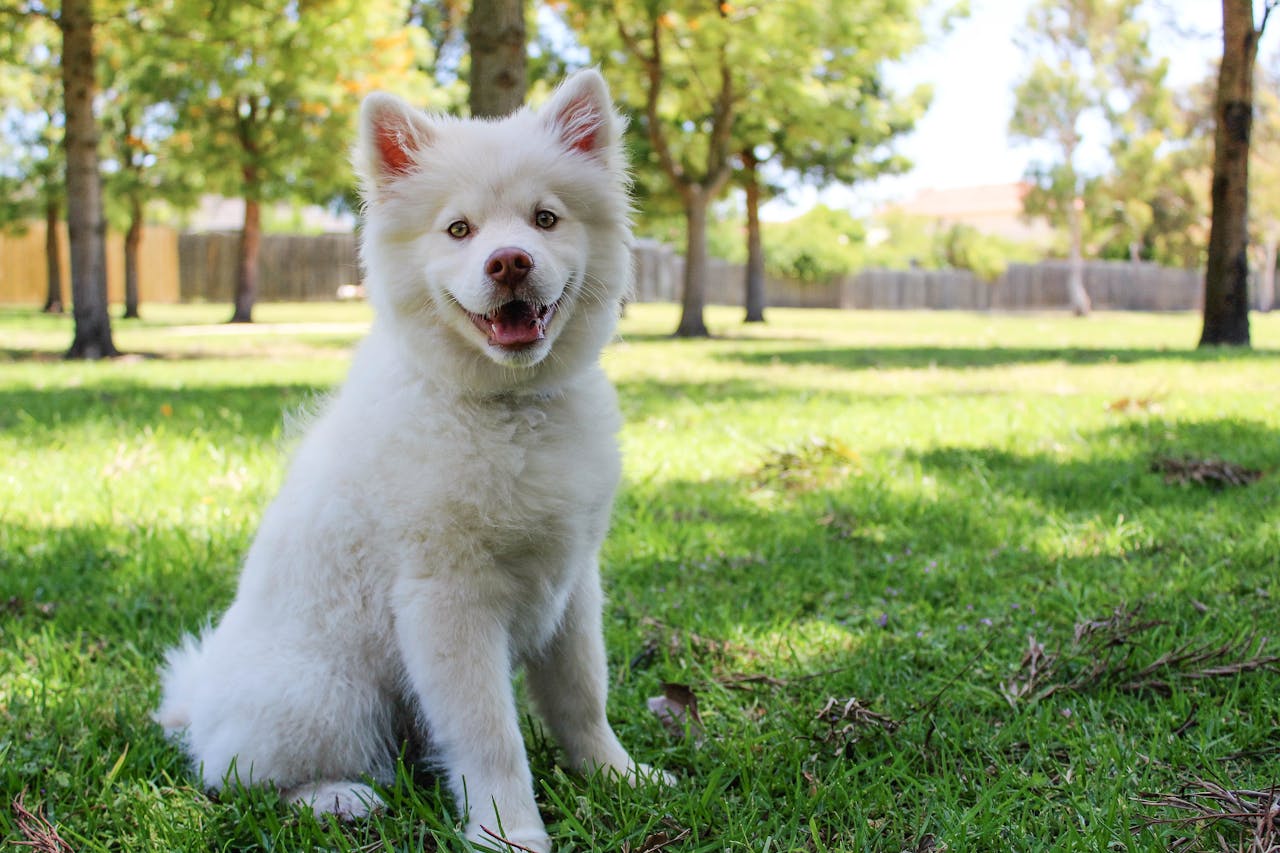
Fortress Security: Preventing the Great Escape
I learned this lesson the hard way years ago, back when I did dog walking. I was getting a dog ready for a walk, left the front door cracked open for just a second, and it slipped past me.
I spent the next two hours in a panicked sprint through a forest, trying to keep the dog in my sights. Thankfully, the owner worked nearby and came to help, but it was a terrifying experience and a lesson I’ll never forget: you cannot outrun a dog.
Preventing an escape is one of your most sacred duties when house sitting dogs. The rules are simple but non-negotiable:
The Leash is Law: Never open an external door unless the dog is securely on a leash. No exceptions.
Double-Check Gates and Fences: On your initial walkthrough, inspect the perimeter of the yard for any potential weak spots.
No Off-Leash Freedom: Unless you are in a securely fenced area and have the owner’s explicit permission, do not let the dog off its leash. It’s not worth the immense stress and danger of that one awkward phone call telling an owner their dog is missing.
This also extends to physical control on walks. When we approach other dogs, I always shorten the leash to ensure I have maximum control. It's also vital to be honest about your own physical capabilities.
The two Labradors we're with now have a combined weight of over 60kg. If they both decided to pull at once, they could easily send Caro flying. That’s why I handle the walks. I’ve looked after Swiss Shepherds, Great Danes, and even a 76kg Saint Bernard, and I know I can hold my ground.
Recognizing your limits and only applying for sits where you can adequately and safely control the animals is a hallmark of a professional sitter.
When Your World Intrudes: Handling Personal Emergencies
Crises happen. On one sit, we received devastating news that a close family member was gravely ill and might pass away. The first thing we did was call the homeowner. We explained the situation calmly and transparently. We were near the end of the sit, and she was incredibly understanding, arranging for a neighbor to take over for the last couple of days.
This was an ideal scenario, but the core principle is universal: immediate and honest communication. People are generally compassionate. Explain the situation and work with them to find a solution, whether it's a neighbor, a local dog walker, or them returning early. This is part of the trust equation that makes the entire house sitting community work.
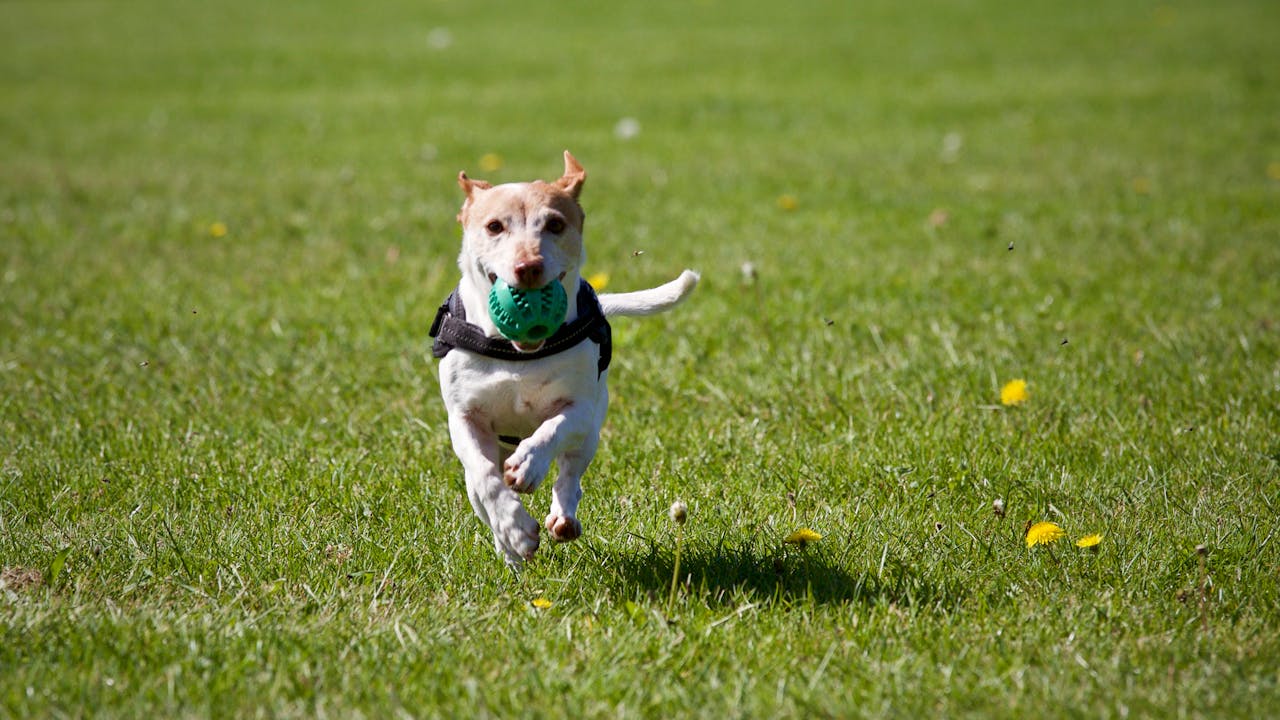
The Value Exchange: Going Beyond the Basics
Successfully house sitting for dogs involves more than just crisis management. It’s about maintaining their quality of life. For high-energy breeds, this means providing mental stimulation. Long walks are great, but so is dedicated playtime in the yard and simple, focused attention.
You don’t need to go out and buy a dozen new toys; your presence and engagement are often the best enrichment they can get.
This level of care and responsibility brings up an important topic: house sitting and dog sitting rates. While many sits, especially on platforms like Trusted House Sitters, are based on a value exchange, free accommodation for pet care. The complexity of the sit should always be considered.
A sit with a medically complex senior dog or a high-energy puppy requiring constant supervision is a much bigger commitment than one with a self-sufficient cat. In the world of paid sitting, these factors heavily influence the rate.
Understanding the scope of work helps you determine if the exchange is fair and if the benefits of house sitting in that specific situation are worth the responsibility you're taking on.
The snoring Labrador has just shifted, letting out a contented sigh before settling back onto my foot.
It’s a small, profound reminder of the trust we’ve built over the past few weeks. By being prepared, communicating clearly, and treating him with calm respect, we’ve made his owners’ house his safe and happy home, even in their absence.
That is the ultimate goal, and the greatest reward, of house sitting a dog.
Good luck with your house sits. If you ever have questions, you know where to find us.
Caro & Konrad 🐾🚐
DM us @housesittersguide if you have questions — we answer everyone!

What's the most important thing to do before starting a dog sit?
The most critical step is the pre-sit communication. Ensure the owner has fully disclosed any health or behavioral issues. During the video call and in-person handover, ask direct questions about routines, training commands, and boundaries to ensure you have a complete picture of the dog's needs.
How do I handle a dog that seems anxious or won't warm up to me?
The key is patience and a calm demeanor. Don't force interaction. Sit quietly in the same room and let the dog approach you. Avoid sudden movements and direct eye contact initially. Letting them come to you on their own terms builds trust far more effectively than trying to win them over.
What is the first thing I should do if the dog has a medical emergency?
For a true, life-threatening emergency, go directly to the vet or emergency animal hospital information provided by the owner. For non-critical issues, your first step should always be to contact the homeowner immediately with clear details and photos, if possible. They know their dog best and can provide crucial guidance.
How can I prevent a dog from escaping during a house sit?
Implement strict door and gate protocols. Never open an external door unless the dog is securely leashed. Before the sit begins, do a walk-through of the yard to check for any potential escape routes. As a general rule, avoid letting the dog off-leash in unfenced areas.