Breadcrumbs: Home > House Sitting Guide > How to Send House Sit Updates
Article updated: March 2026
Some links in this article are affiliate links. If you sign up through them, we earn a small commission at no extra cost to you. This helps us keep the site running and create more free content for the house sitting community. We only recommend platforms we have personally used.
📊 QUICK FACTS:
Best app for updates: WhatsApp. Every homeowner we have ever sat for uses it.
The group trick: Create a WhatsApp group named after the pets and country. One message reaches everyone at once.
First 48 hours: Send 2 to 3 updates. This is when homeowner anxiety peaks. After that, settle into a daily rhythm.
Minimum update frequency: Once a day on shorter sits. Every few days on sits over a month, unless the homeowner signals they want more.
Photo banking: Take ten shots on a good day. Send one. Keep the rest for quieter days.
Videos: Short clips on walks or during play. More reassuring than a static photo.
When something goes wrong: Send the message immediately. Do not wait until the end of the day.
We still keep in touch with our Athens homeowner. After the sit ended, we met for dinner. We still message occasionally, and has become one of those people you feel lucky to have met through this lifestyle. She complimented our updates and photos specifically.
A good update is not about documenting things, it's more about reassuring the owners pets are doing fine.
This article covers how Caro and I actually handle updates across 15+ sits: the WhatsApp setup we use, how we organise photos, what to do when something goes wrong, and how to read what a homeowner actually wants without having to ask every time.

Why Updates Matter More Than Most Sitters Realise
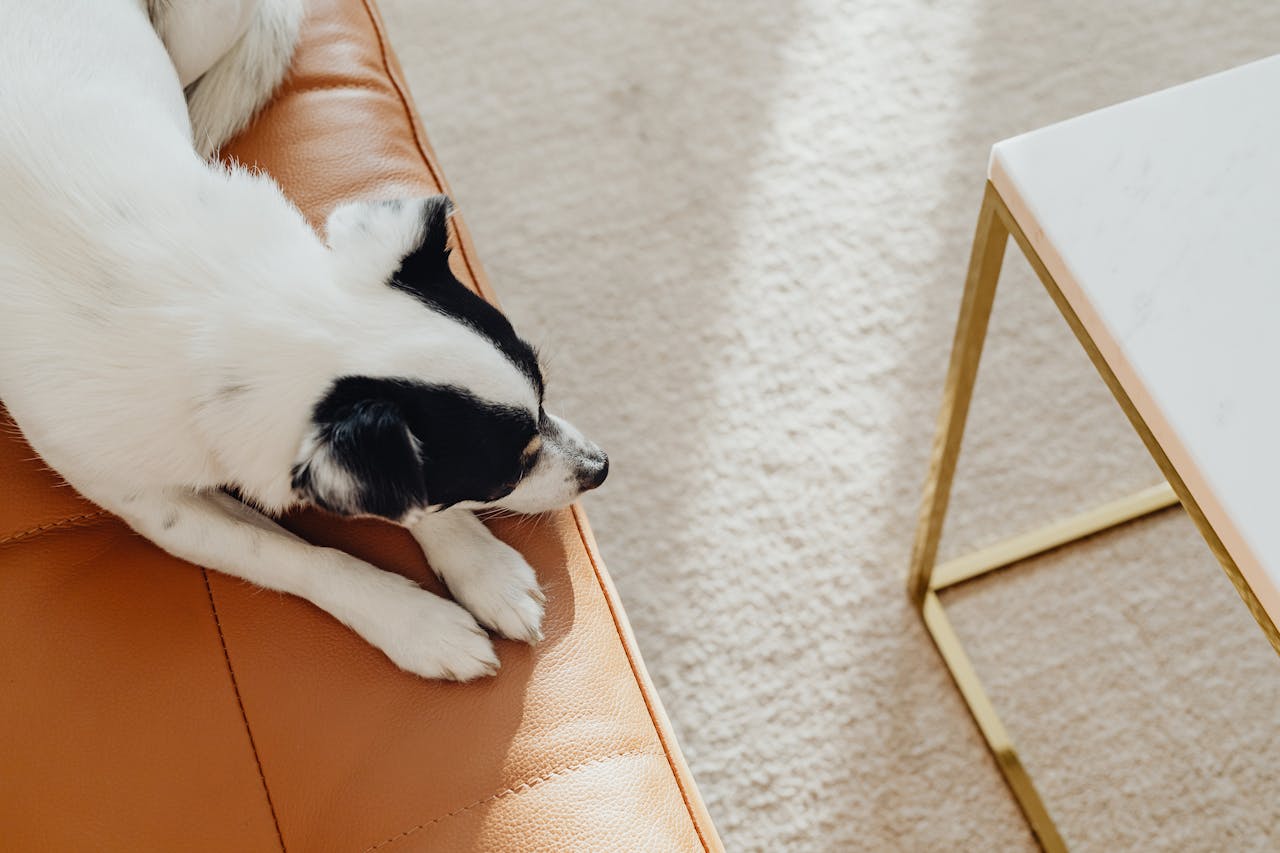
A sleeping dog is just a sleeping dog to you. To the homeowner, a photo of their dog sleeping peacefully means the animal is safe, relaxed, and comfortable with the people looking after it. The emotional weight of that image is completely different depending on which side of it you are standing on.
Homeowners have handed over their home and their pets to someone they met on the internet. Most of them are trying to enjoy a holiday while quietly wondering whether everything is fine. Your update is what answers that question. When you get it right, the homeowner relaxes and enjoys their trip. When updates are inconsistent, or feel like the same photo recycled every day, it creates unease rather than reassurance.
We read a Reddit thread where a homeowner complained that the sitter sent the same photo of the dog in the same spot every single day. It looked like the dog was not getting walks, not getting attention, just being photographed in one corner of the house. The homeowner could not prove anything was wrong, but the updates made them feel worse rather than better. That is the opposite of what an update is supposed to do.
The goal is to make the homeowner feel like they can see what is happening. Not through a report. Through something that feels human.
The WhatsApp Setup We Actually Use
Every platform has its own messaging system. They are fine for applications and initial communication. For actual day-to-day updates during a sit, they are not good enough. Media handling is slow, notifications are unreliable, and most homeowners are not checking the platform app while they are on holiday.
Caro and I use WhatsApp for every sit. Before the sit starts, we create a group chat and add all the homeowners. One message reaches everyone at once. One photo goes to both of them simultaneously. If we have a question, whichever owner is more available or more knowledgeable about that particular thing can reply. It removes the back-and-forth of trying to reach the right person.
We always name the group after the pets and the country. "Luna and Milo, Greece." "Bruno, France." It sounds like a small thing but it means the chat is easy to find, it immediately tells you what sit you are looking at if you scroll back through your groups, and it feels more personal than a generic "House Sit - July."
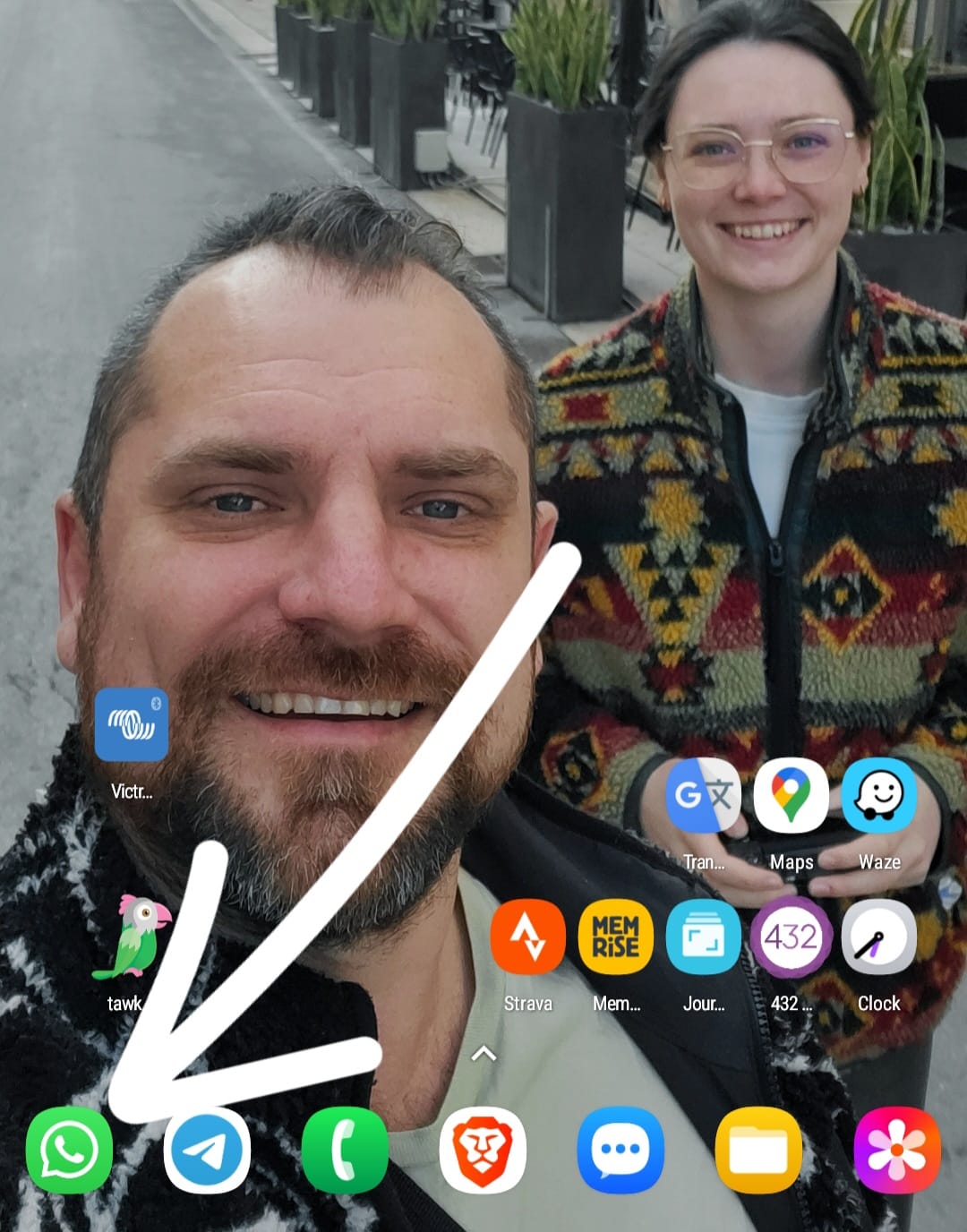
For the shortcut: on Android, open the WhatsApp chat, tap the three dots, select More, and choose Add Shortcut. This puts the group directly on your home screen. One tap and you are sending. On iPhone, you can create a direct link via the Shortcuts app. The reason this matters is friction. If sending an update feels like a five-step process, you will put it off. If it is one tap, you do it immediately when the moment presents itself.
How to Read What a Homeowner Actually Wants
Every homeowner is different. Some want to hear from you every day. Some would find that intrusive. The way to find out is to ask before the sit starts, and then to watch what happens after the first few updates.
We ask during the handover or the video call: how often would you like updates? Most people give a reasonable answer. But the real signal comes from their response pattern once the sit is underway.
In Ostuni, the homeowner told me every few days would be fine. But after the first update, she sent a voice message back. Then a reaction to the photo. Then a question about the cats. Within two days it was clear that she loved hearing from me daily and the "every few days" had been a polite understatement. I adjusted and sent something every day. It felt less like a professional obligation and more like keeping a friend posted.
On other sits, the homeowner would reply a day later with a short "thanks, looks great." That tells you they are not sitting with the phone waiting for your message. They appreciate it, but they are living their holiday. In those cases, daily updates are still the right call, but you are not going to get a voice note back every time and that is fine.
The rule of thumb we use: if you are unsure, send once a day. On shorter sits up to two weeks, once a day is always appropriate. On longer sits of a month or more, three times a week is usually enough unless they signal otherwise. Always adjust based on what the homeowner actually shows you, not just what they said at the start.
The Departure Update
The most important message of the entire sit is often the first one.
The two hours after a homeowner drives away are the most anxious. They are in the car, or at the airport, wondering whether the pets settled. Whether they were upset at the door. Whether the transition went smoothly. They cannot turn back and check. All they can do is wait.
Send a photo within the first hour of them leaving. The pets calm, settled, already going about their day. A short note alongside it: something is fine, the dog has eaten, the cat found her favourite spot. It does not need to be long. What it signals is that the handover is complete, the pets are not distressed, and the homeowner can stop holding their breath and start enjoying their trip.
In our experience this single message gets the warmest response of the whole sit. The relief in the reply is immediate. From that moment, the tone of the entire exchange changes. They are not waiting to find out if things are okay. They already know.
The Photo Banking Strategy
On some days the pets are photogenic. They are playing in the garden, sitting in a patch of sunlight, doing something endearing. On other days they are hiding under a bed or sleeping in an unflattering heap. This is normal.
On the good days, take ten photos instead of one. Different angles, different moments. Send the best one immediately. Keep the rest in your camera roll. We create a folder for each specific sit, named the same way as the WhatsApp group. "Luna and Milo, Greece." Everything from that sit goes in there.
On a quieter day when the photos are not coming out well, open the folder and pick something nice. Send it with a short honest note. "Here is one from their garden session yesterday, both doing great today." It does not need to be long. It does not need to be a masterpiece. The homeowner gets a good image and a confirmation that everything is fine, and you have not spent twenty minutes trying to get a reluctant cat to look at the camera.
One rule that is not optional: never use a banked photo to mask a current problem. If the dog is unwell today, you send a message about the dog being unwell today. A banked photo from Tuesday showing him running in the garden is not a substitute for that conversation. The photo banking strategy works because it is honest. The moment it becomes a way to avoid a difficult update, it becomes a trust problem.
This approach also builds a small archive of the sit. At the end, if the homeowner asks for photos, or if you want images for your own profile or for the blog, they are all in one place.
Videos Are Worth the Extra Second
Photos are the baseline. Videos do something photos cannot, which is show movement, energy, and personality.
A ten-second clip of a dog mid-run on a morning walk tells the homeowner more than any still photo. You can see the dog is moving well, is happy, has had exercise. A cat batting at a toy, purring audibly, jumping onto a windowsill. These clips create a stronger emotional connection than a photo of the same cat sitting still.
Caro and I take video mainly on walks and during play. It does not need to be edited or composed. Phone held steady for a few seconds is enough. The key thing is variety. If every update is the same dog in the same corner of the living room, even if the photo quality is good, it starts to feel repetitive. A mix of photos and short clips from different parts of the day communicates a fuller picture of what life looks like for the pet while the homeowner is away.
Pet Cameras and Smart Home Tech
Cameras are more common in homes now and this is an area where you need to know the rules before you arrive.
Outdoor cameras, doorbell cameras like Ring, and pet-specific cameras like Furbo pointed at a feeding station are generally acceptable. Indoor cameras in living spaces (bedrooms, living rooms, bathrooms) are a different matter entirely. In many European countries, recording someone in a private living space without their explicit consent is illegal. TrustedHouseSitters' own policy requires homeowners to disclose any cameras and prohibits surveillance of sitters in private living areas.
Before the sit starts, ask directly: are there any cameras in the home, and where are they? This is not an awkward question. It is a professional one and any homeowner who has read the platform's terms will expect it.
If there are indoor cameras in living spaces, ask the homeowner to switch them off before they leave. This is your right. A Furbo in the kitchen pointed at the cat bowl is fine. A camera in the living room where you will be sleeping, working, and spending your evenings is not. Document the conversation in writing, ideally in the WhatsApp group, so there is a clear record that the request was made and agreed to.
If you arrive and discover cameras that were not disclosed, contact THS support immediately and log it. This is exactly the kind of undisclosed condition that justifies a serious conversation with the platform.
When Something Goes Wrong
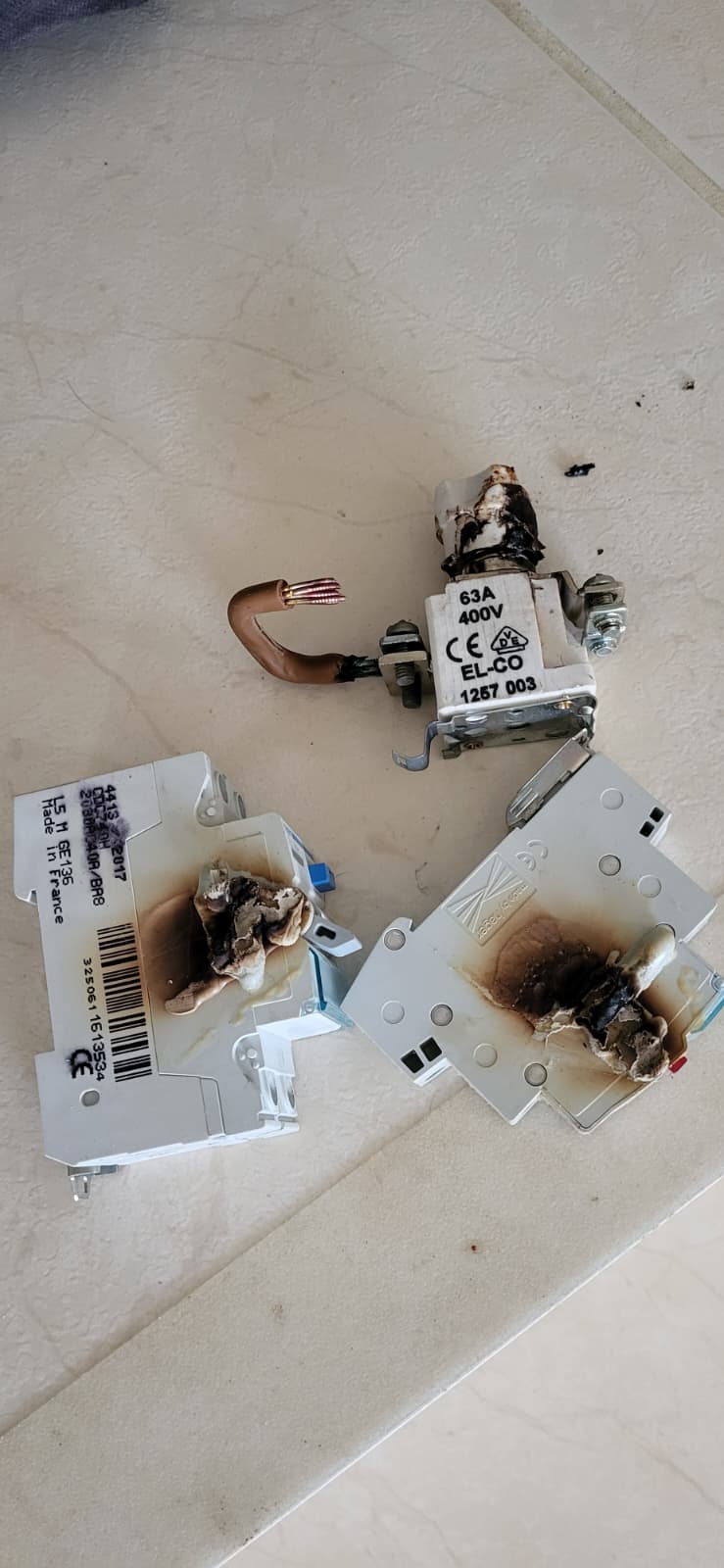
At one of our sits, the fuses in the electrical board melted. We had followed the homeowner's own instructions exactly. But the fuses went anyway.
The message went out immediately. A photo of the board with a clear description of what had happened and what we had done to follow their instructions. Within a few hours the homeowner had arranged for an electrician to come and fix it. No drama, no blame, a quick resolution.
The tone of that message matters as much as the speed. Panic is contagious. If your message reads like an emergency, the homeowner is going to feel like they are in one, six hundred kilometres away with nothing they can do about it. The goal is to be calm and factual. Not "OMG the power is out, it smells like smoke, I don't know what to do." Instead: "The power tripped. I have followed the manual and isolated the board. Everyone is fine. Just letting you know so we can sort it together." Same information, completely different effect. You are the steady presence they trusted with their home. Sound like it.
Homeowners think about two things when they leave: their pets and their property. Updates about the pets are the emotional reassurance. But they also need to know that their home is in safe hands. When something goes wrong, the worst thing you can do is wait. The homeowner will always find out eventually. If they find out from you, immediately and with a clear explanation, it demonstrates exactly the kind of person they trusted with their home. If they find out when they return, it raises questions about what else you did not tell them.
Send the photo. Explain what happened. Offer to help with the solution. Almost every homeowner will respond with "thank you for letting me know" and sort it from their end. Transparency is what builds the kind of trust that gets you invited back.
This is part of the broader point covered in our guide on handling accidental property damage during a house sit. It is not the incident itself that damages a relationship. It is the handling of it.
The Updates That Build Friendships
There is a version of house sitting where updates are just a professional task you tick off each day. Send photo, done.
And then there is the Athens version. The homeowner loved the photos we sent. She responded to almost all of them, asked questions about what the pets had been up to, sent recommendations for places to visit. By the end of the sit it did not feel like a professional relationship at all. We met for dinner after. We are still in touch.
House sitting can do this. It connects you with homeowners who care about the same things you do, who live in places you want to know better, and who appreciate being looked after by people who take the role seriously. The update is one of the main ways that relationship develops. A photo of their pet, sent with a short thoughtful note, is a small gesture that over two weeks or a month adds up to something real.
We have friends across Europe now that started as homeowners on a platform. That is not something you can manufacture. But it is something that starts with how you communicate from day one.
Konrad & Caro 🐾🚐
DM us @housesittersguide if you have questions. We answer everyone!

FAQ
Do you use WhatsApp for all homeowner communication?
Yes, for every sit. We set up a group chat before the sit starts, add all the homeowners, and name it after the pets and country. One message and one photo reaches everyone at once. It is faster, more reliable for media, and easier to find than the platform's built-in messaging.
How often should you send updates?
Ask during the handover, then watch their response pattern. If they reply quickly with enthusiasm, they want more. If they reply a day later with a brief thanks, they are happy but not glued to their phone. When in doubt, once a day is always appropriate on shorter sits up to two weeks. On longer sits, three times a week is usually enough.
What is the photo banking strategy?
On days when the pets look great, take ten photos instead of one. Send the best immediately and keep the rest in a dedicated folder on your phone. Name it after the sit. On quieter days when the animals are not being photogenic, send one of the saved photos with a short honest caption. It keeps updates consistent without any pressure to produce a perfect shot every single day.
Should you send videos as well as photos?
Yes, when the opportunity is there. Short clips on walks or during play show movement and energy in a way a still photo cannot. Mix them in with your regular photos. Variety matters. A homeowner who receives the same static image of their dog every day starts to wonder whether anything else is happening.
What should you do if something breaks or goes wrong?
Send the message immediately. Photo first, explanation second, offer to help third. Do not wait until the end of the day or until the homeowner returns. Almost every homeowner will respond well to immediate, honest communication. Waiting is what creates problems.
Can house sitting lead to real friendships with homeowners?
In our experience, yes. Our Athens homeowner is someone we still meet up with. Several of the homeowners we have sat for have become people we still stay in touch with. It starts with how you communicate during the sit.
Related Guides