

Home > Blog > House Sitting for Cats
Quick Facts
| Ideal for | New sitters, digital nomads, anyone who wants flexibility during a sit |
| Daily time commitment | Outdoor cats: 20–30 mins. Indoor cats: 1–2 hrs. Medical cats: varies |
| Best platform to find cat sits | TrustedHouseSitters, filter by cats in the animal type section |
| Biggest advantage over dog sits | Full days free to explore. No walk schedule to plan around |
| What to ask before confirming | Indoor or outdoor access, medication requirements, feeding schedule, vet details |
| Our first sit | Bochum, Germany. Two cats, five stars |
Cat sits are the most underrated sits in the exchange model. Outdoor cats give you back your day, indoor-only cats should not be left more than four to six hours, and competition is smaller because many sitters filter for dogs. Always remove lilies: they are fatal to cats.
Most people picture house sitting as a part-time job with fur. You are tied to a walk schedule, you cannot leave for more than a few hours, and your entire day is organised around someone else's animal. That is an accurate description of a high-energy dog sit. It is almost the opposite of what cat sitting actually looks like.
Cats, particularly those with outdoor access, are among the most independent animals you will ever sit for. They let you in on their terms, eat when they feel like it, and spend the majority of their day doing things that have nothing to do with you. If you are new to house sitting and want to start somewhere manageable, or if you travel primarily to see a place rather than to play full-time carer, cat sits are where to start. That last part is exactly why a cat that seems flat is so hard to judge, and why a cat is lethargic is the page we wrote for that problem.
This is not to say they are without responsibility. We have had cat sits that required the kind of precision you would bring to caring for an elderly relative. But the range is wide, and knowing what type of sit you are applying for changes everything.
Cat Sit vs. Dog Sit: Which Is Right for You?
| Cat sit | Dog sit | |
|---|---|---|
| Daily schedule | Highly flexible. Feeding times only | Fixed around walks and toilet breaks |
| Social needs | Low to moderate | High. Some dogs struggle if left for more than 2 hours |
| Best for | Digital nomads, remote workers, people who want to explore | Active travellers, those who want constant company |
| Freedom during the day | Full days available with outdoor cats | Structured around the dog's routine |
| Common surprise | Precision medical or feeding routines | Separation anxiety not mentioned in the listing |
| Competition for listings | Lower. Many sitters filter for dogs only | Higher in most markets |
The Freedom Sit: Lullin, French Alps
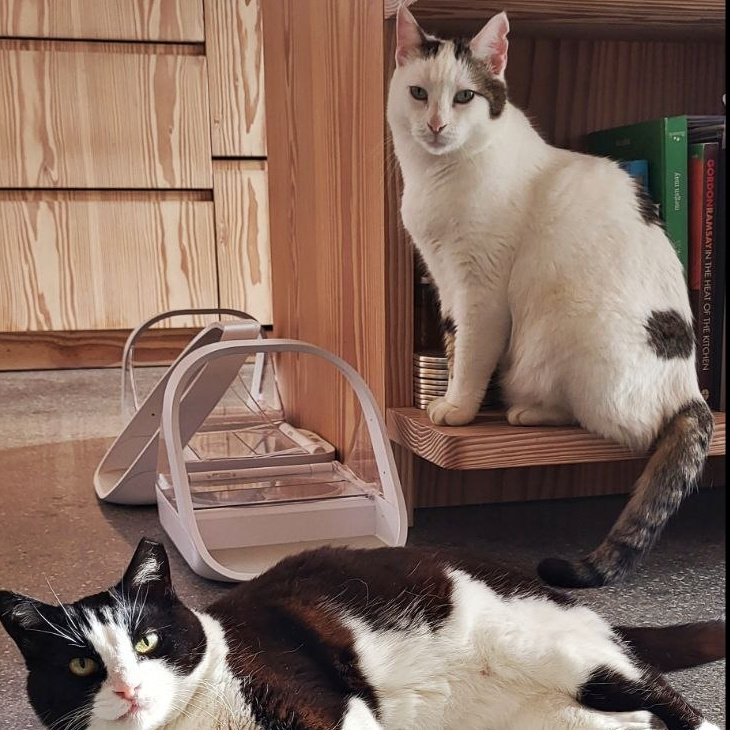
We sat in Lullin in the French Alps with two outdoor cats, and the honest description of that experience is that it felt like a holiday we were being housed for rather than a job we were being paid for.
Those two cats had full outdoor access and spent the vast majority of their day outside patrolling their territory. They came back home when they wanted food or company and disappeared again when they had enough of both. Our actual responsibility was keeping their bowls full and being present in the house. In practice, that meant we had entire days free to hike, explore nearby villages, and do the kind of slow, unhurried travelling that is difficult to do when you have a dog that needs walking twice a day on a fixed schedule.
This is the reason cat sits are often the best entry point for sitters who want to properly experience a location rather than manage it from the inside of someone's house. Outdoor cats give you back your day. The sit provides the accommodation; the location provides the experience; and the cats provide exactly as much company as they feel like providing, which is usually the right amount.
The Precision Sit: Cries, Switzerland
Not all cat sits look like Lullin. Our sit in Cries, Switzerland, not far from Mont Blanc, was a luxury home with three cats that had kidney stones, and the care was structured down to the gram. Each cat required 82g of wet food for breakfast and dinner, plus 15g of dry food. Not approximately. We weighed every portion. Measured feeding like that is exactly where a cat going off its food stops being a minor annoyance, and the timeline that explains why the days matter is worth reading before a sit like that.
This level of detail is more common than people expect, particularly in sits where the homeowners are attached and specific. It is not onerous once you have the routine established, but it is worth asking about before you confirm rather than discovering it on day one. A quick question during the video call about feeding quantities, any health conditions, and whether there is a specific routine the cats are accustomed to will tell you what you are walking into.
The sit was wonderful. The location was extraordinary and three well-cared-for cats with a clear routine are easy company once you know what they need. When you are caring for animals with a health condition, the precision of the routine is the care. Getting it right matters and doing it well is genuinely satisfying.
Why Cats Are the Best Entry Point for New Sitters
If you are new to house sitting and uncertain about managing someone else's home for the first time, cat sits reduce the pressure significantly compared to dog sits.
Cats with outdoor access do not rely on you for bathroom breaks. They do not need structured exercise. They are not waiting by the door for you when you have been out for six hours. This means you can focus on learning the rhythms of the house, understanding how the property works, and communicating well with the homeowner, without the time pressure that a dog's needs impose on your day.
The other practical advantage is competition. Many sitters on the platforms filter specifically for dogs. Cat sits, particularly in less popular locations, often receive fewer applications than comparable dog sits. For a sitter with a thin review history trying to land their first confirmed sit, this matters.
Mentioning that you are happy to care for cats specifically, and that you have experience with them, is worth including in your house sitting profile. It is a competitive signal in a niche where many sitters have expressed a preference for dogs.
What You Are Actually Doing Day to Day
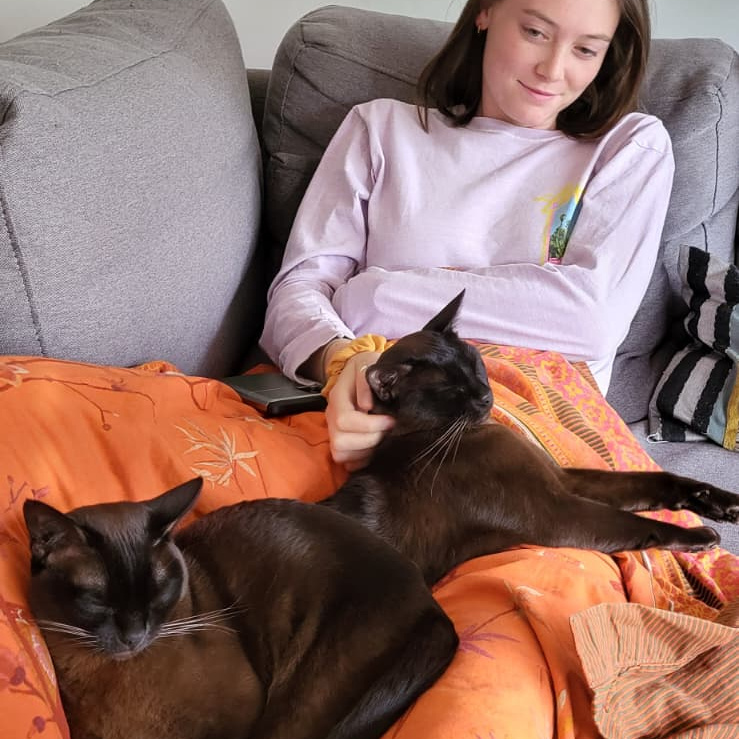
The daily rhythm of a cat sit varies significantly depending on whether the cats are indoor only or have outdoor access, and whether any medical care is involved.
For outdoor cats the morning typically involves feeding, checking water, and a brief check that they have come home overnight. After that the day is largely yours. In the evening you feed again, check they are in or have access to come in, and that is the substance of it. The homeowner usually wants a photo update every day or two. That takes thirty seconds.
For indoor-only cats the commitment is different. They rely on you for stimulation, company, and litter box maintenance. You should not leave them alone for more than four to six hours at a stretch, and some cats are vocal about this. If you plan to spend full days out and the cats are indoor-only, this is worth flagging with the homeowner before you confirm rather than discovering mid-sit that the cats are distressed when left.
For cats with medication or special feeding requirements, build the routine into your day from day one. Set alarms if you need to. Consistency matters more than anything else with medicated animals, and a missed dose or wrong quantity is worth a call to the homeowner rather than a guess.
One practical note: for strictly indoor cats, establish where they are before you open any exterior door. Some cats are fast and motivated. The habit of locating them first and using the exterior door as a second barrier takes seconds to establish and prevents the kind of situation that costs hours to resolve.
One more thing worth knowing before you arrive at any cat sit: lilies are fatal to cats. Not mildly toxic. Fatal, and rapidly so: the pollen, the petals, the water in the vase. Many homeowners do not know this. If you arrive and find a lily bouquet on the table, a lily plant in the hallway, or lilies growing in a garden an indoor cat has access to, remove or secure them immediately and let the homeowner know. A well-meaning "welcome home" flower arrangement left by a neighbour has killed cats. This is not an edge case to keep in mind. It is the first thing to check when you walk through the door. The rest of the list is longer than most owners expect, and which plants are dangerous to pets works through it by species.
Reading a Cat Sit Listing
When browsing TrustedHouseSitters or Aussie House Sitters, the listing description tells you most of what you need to know if you read it carefully.
| What the listing says | What it means for your day |
|---|---|
| Outdoor access | Full days available. Minimal time commitment |
| Indoor only | Plan to be home regularly. Check stimulation needs |
| Medication required | Ask for full details before applying. Commit only if confident |
| Senior cat | Slower pace, possibly more vet contact information needed |
| Multiple cats | Usually easy. Ask if any have conflicts with each other |
| Shy or anxious | Expect a slow trust-building period. Do not rush it |
If the listing mentions medication or a specific feeding routine, ask the homeowner to walk you through it in detail during the video call. Watch them demonstrate if possible. Having the information explained once verbally and once in writing, via the welcome guide they leave, is the standard you should aim for.
The Competitive Advantage of Preferring Cats
This is worth saying plainly because it is practically useful: many sitters on the major platforms have a stated preference for dogs. Some filter exclusively for dog sits. This means that cat sits, particularly those with medical complexity that puts off casual applicants, often have a smaller, more focused pool of people applying.
If you are building your review history and looking for sits where a strong, specific application can stand out, cat sits are where that leverage is greatest. A well-written message that addresses the cats by name, acknowledges the specific care requirements, and explains why you are comfortable with them is far more likely to get a response when there are four applicants than when there are forty.
Conclusion
Cat sitting is the most underrated type of house sit in the exchange model. The time commitment is lower than dog sitting, the freedom to explore is higher, the competition for listings is often smaller, and the experience of living in someone's home with a couple of independent cats for company is one of the more civilised ways to travel we have found.
We started with two cats in Bochum and have looked after cats in French chalets in Lullin and in Cries in Switzerland since. The precision of the Cries sit, weighing out every gram of food for three cats with kidney stones, is one of our favourites, not despite the routine but partly because of the care it required.
If you have questions about applying for your first cat sit or about handling specific care situations, DM us @housesittersguide on Instagram. We answer everyone.

Frequently Asked Questions
How long can you leave a cat alone while house sitting?
For outdoor cats, several hours during the day is generally fine provided they have food, water, and access to come and go. For indoor-only cats, the standard is not more than four to six hours at a stretch, and less for younger cats or those with anxiety. Always check with the homeowner what the cat is accustomed to before you assume. A cat that has never been left alone for eight hours will not thank you for introducing that experience mid-sit.
What should I do if the cat hides the entire time?
Do not force interaction. Confirm they are eating and using the litter box by checking when the cat has moved elsewhere. Spend time in the room they have chosen, sitting quietly on the floor without making direct eye contact or reaching toward them. This approach builds trust faster than any amount of coaxing. Some cats take several days to decide a new person is acceptable. Give them the time and let them make the first move.
How do I handle a cat that tries to escape every time I open a door?
Locate the cat before you open any exterior door. If you cannot find them, do not open the door. For cats with a known history of dashing, keep a second barrier between them and the exterior: close an interior door behind you before you open the exterior one. The habit takes seconds to establish and eliminates the risk entirely. Ask the homeowner during the handover whether the cat is a door-dasher. They will know.
Should I apply for medical cat sits as a new sitter?
Only if you are confident about the specific requirements and honest about that confidence. Medical sits, particularly those involving medication, precise feeding quantities, or post-operative care, require a higher level of attentiveness and communication. The homeowners of medically complex cats are often more anxious than average about who they leave them with, and rightly so. If you are comfortable with the requirements described, say so specifically in your application and explain why. If you have any uncertainty, it is better to apply for straightforward sits until your review history and experience are stronger.
Are cat sits good for digital nomads who need to work during the day?
Yes, particularly sits with outdoor cats. A cat with outdoor access requires your presence at feeding times but otherwise gives you back your day. Reliable wifi is standard in most sits across Europe and North America. The combination of free accommodation, a quiet working environment, and minimal daily time commitment makes outdoor cat sits one of the most compatible arrangements for remote work. Indoor-only cats require more presence, so check what the homeowner expects before confirming if your workday typically involves long hours away from the house.


Responses
What are your thoughts on this post?