Last Updated: February 2026 Home > House Sitting Guide > House Sitting Subscription Services with Insurance
Quick Facts
The Short Answer: Every major paid platform includes some form of property protection. The key detail most guides miss is that this protection primarily covers the homeowner, not the sitter. Neither THS nor Nomador directly insures you as a sitter for damage you accidentally cause to the homeowner's belongings.
THS (sitter-side): Discretionary Accident & 3rd Party Liability Plan. Covers incidents where the homeowner's pet injures someone or damages a third party's property. $50 sitter contribution. $1,000,000 maximum. Does not cover damage you cause to the homeowner's property.
THS (homeowner-side): Home & Contents Plan, underwritten by GUARDHOG. Covers the homeowner's property for accidental damage, theft, and public liability during a sit. Up to $1,000,000. Available to Standard and Premium Pet Parent members.
Nomador (homeowner-side): Home Protection plan. Covers the homeowner's property for accidental damage, unexpected cleaning costs, and damage to valuables. Up to €50,000 per stay. Available to Standard and Premium homeowner members.
What actually protects sitters: Your own personal liability insurance from your home country. Many policies include worldwide coverage. One phone call to your insurer before your first sit is worth more than relying on platform terms you have not read.

The Actual Answer to the Question
Three years ago I was telling friends how reassuring it felt to have THS covering us. Then I read the actual terms.
The Accident & 3rd Party Liability Plan available to THS sitters is a discretionary plan, not a regulated insurance contract. THS may pay, at their sole discretion, if the homeowner's pet causes injury or property damage to a third party. The sitter contributes $50. The maximum is $1,000,000.
What it does not cover: damage you personally cause to the homeowner's belongings. If you break the €1,500 coffee machine or scratch the antique table, your sitter plan does not apply. (The full protocol for what to do when that happens is in our guide to damaging property during a house sit.) That falls on the homeowner's side of the THS structure.
This was a significant surprise when I finally read it carefully. We had years of sits under our belt before we understood exactly what we were and were not protected by.
Nomador, which we had also been told offers "actual insurance for sitters," turns out to work the same way: their Home Protection plan covers the homeowner's property, not the sitter's liability. For sitters on Nomador, their own FAQ directs you to check whether your personal home-country insurance includes liability coverage abroad.
So: yes, subscription platforms include protection. But the protection primarily runs in one direction: toward the homeowner's property and toward third-party incidents involving pets. The sitter's exposure for accidentally damaging the homeowner's belongings sits in a gap that platforms do not directly fill.
Understanding this gap is why we now carry our own personal liability coverage, and why the first section below explains what each plan actually covers.
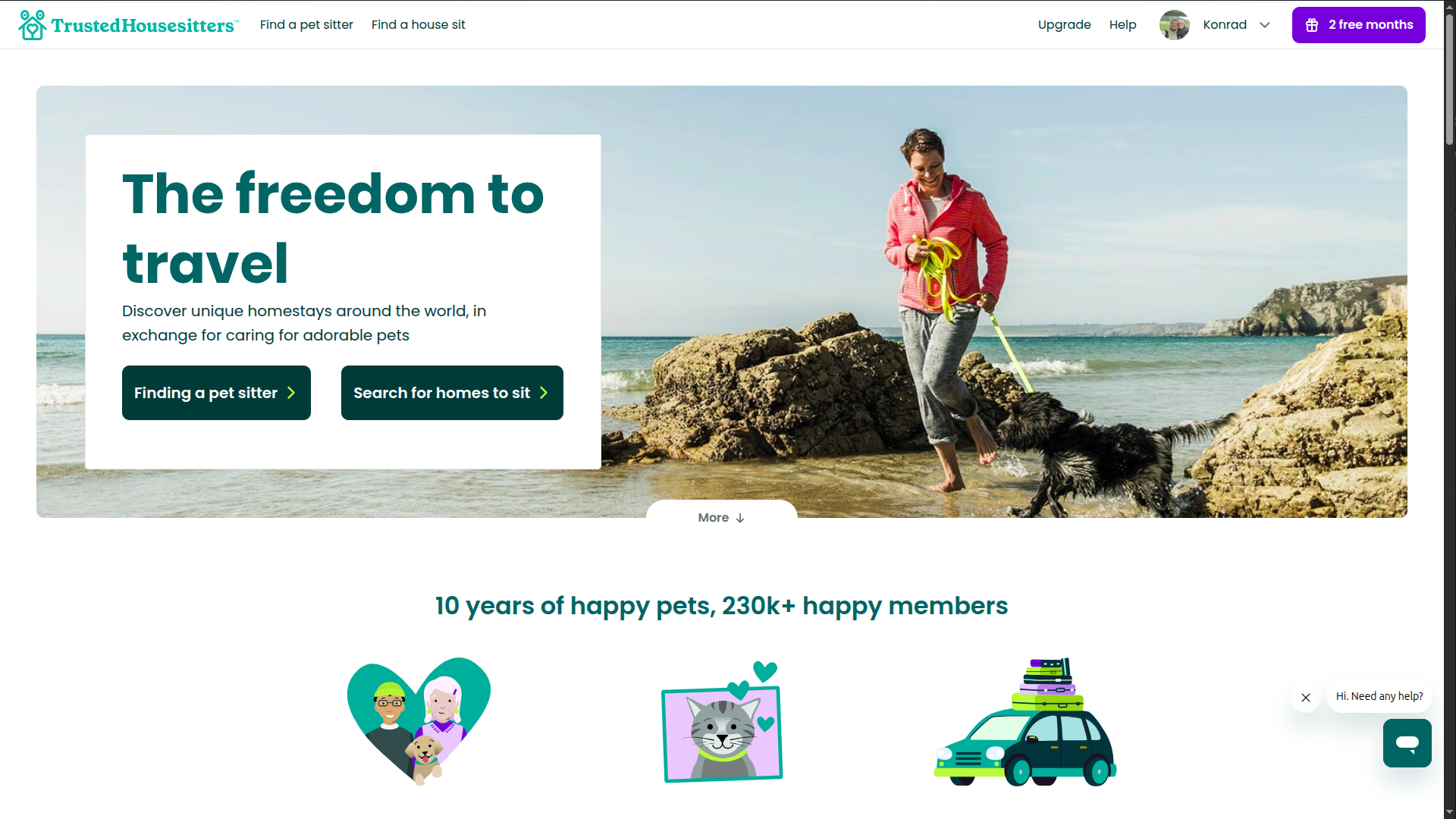
TrustedHouseSitters: Two Plans, Two Parties
THS has two distinct plans. Most guides treat them as one. They are not.
The Sitter's Plan: Accident & 3rd Party Liability
Available to Standard and Premium sitters. This is a discretionary plan, meaning THS decides at their sole discretion whether a payment is made. It is not a regulated insurance contract and THS states explicitly that it does not replace insurance sitters should arrange themselves.
What it covers: loss from having to pay damages and costs to others when the homeowner's pet causes death or injury to a person, or loss or damage to a person's property. The pet must be a cat or dog, legally owned by the Pet Parent, and at least 8 weeks old.
What it does not cover:
Any damage to anything owned by or the legal responsibility of the homeowner (explicitly excluded)
Incidents caused by gross negligence or wilful injury
Damage you cause to the property yourself (a broken glass, a scratched floor, a damaged appliance)
Pets other than cats and dogs
Sitter contribution: $50 per claim. Notification requirement: you must notify THS within 24 hours of a serious incident. Maximum: $1,000,000 per incident.
Plain translation: If the homeowner's dog bites a visitor, or their cat knocks your neighbour's laptop off a table, this plan may cover you. If you knock the homeowner's vase off the shelf yourself, it will not.
The Homeowner's Plan: Home & Contents
Available to Standard and Premium Pet Parent (homeowner) members. Underwritten by GUARDHOG, a regulated insurer. This is the plan that actually covers the homeowner's property when a sitter is staying.
What it covers: accidental and malicious damage to the homeowner's property, theft, and public liability if the sitter has an accident in or around the property. Up to $1,000,000. Requires the homeowner to have their own underlying home insurance already in place.
What this means for sitters in practice: When you accidentally damage something valuable, the relevant coverage is the homeowner's plan. They file the claim, not you. Your obligation is to report the damage immediately and cooperate fully. If you are on THS and break something expensive, contacting THS support and informing the homeowner starts the correct process, even if you are not the one initiating the claim paperwork. If the situation escalates into a formal dispute, this THS conflict resolution guide covers the platform's escalation process.
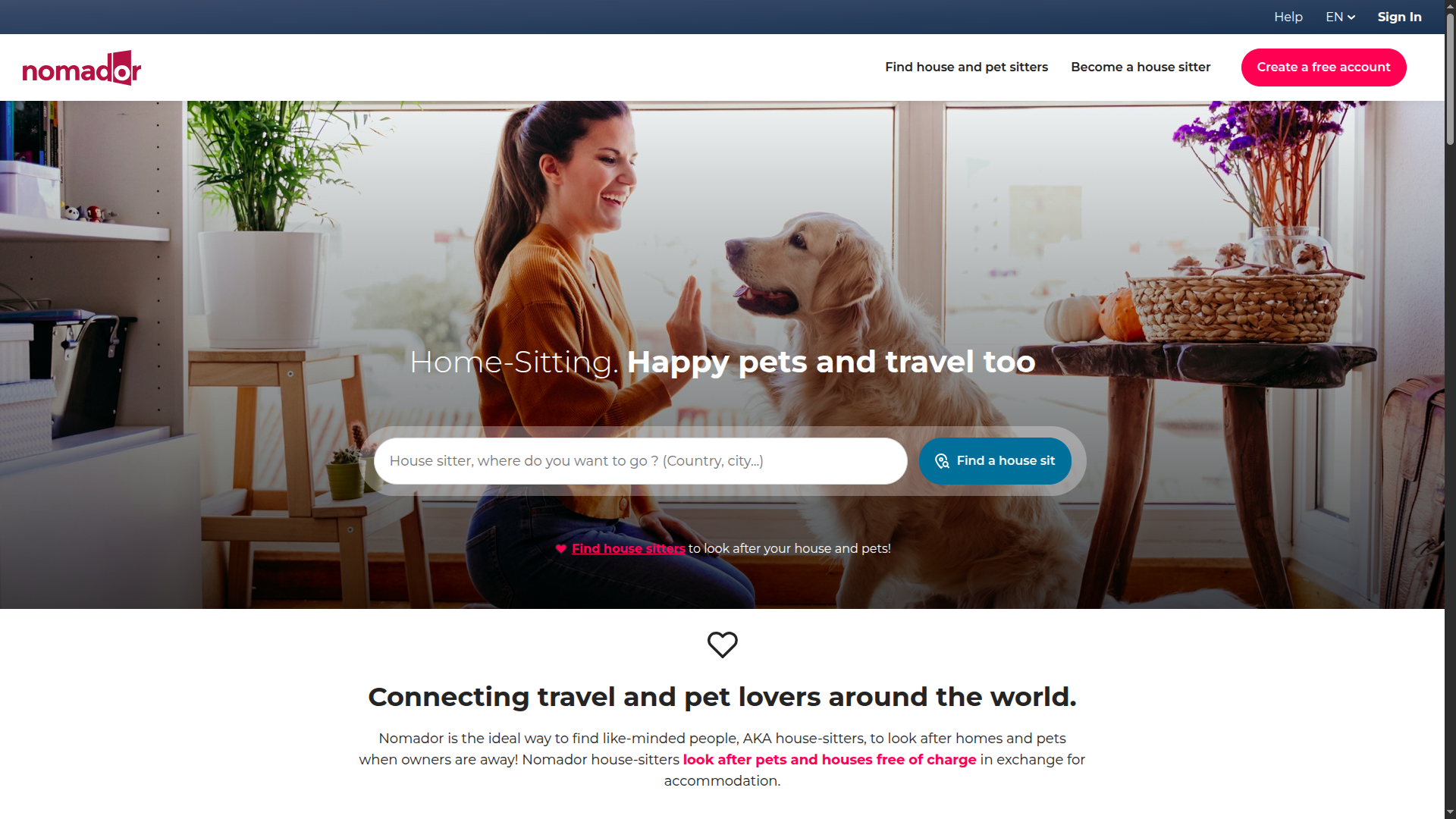
Nomador: Home Protection and What It Does (and Does Not) Cover
Nomador's Home Protection plan is included for Standard and Premium homeowner members when a sit is confirmed on the platform.
What it covers: accidental property damage, unexpected cleaning costs, and damage to valuable items. Up to €50,000 per stay.
This is homeowner-facing coverage. Nomador's own FAQ, when addressing sitters who cause minor damage, directs them to their personal home-country insurance ("Responsabilité Civile Villégiature" in the French insurance system). The platform does not provide a sitter-facing liability plan.
The practical situation on Nomador is parallel to THS: if you damage the homeowner's property, you report it immediately, the homeowner initiates the claim under their Home Protection plan, and you cooperate with the process.
The €30 deductible: Earlier versions of this article cited a €30 sitter deductible on Nomador's policy. Based on our current research into their actual terms, we cannot confirm this figure applies to sitters under their current Home Protection structure. If you are planning to rely on Nomador's coverage for a specific sit, verify the current terms at nomador.com before your stay, as platform policies do change.
The Three Fine Print Traps
Reading the actual terms across platforms, the same exclusions appear repeatedly. These are the three that catch sitters out most often.
The Aesthetic Damage Exclusion
Most policies exclude "purely aesthetic damage." If you scratch a stainless steel fridge door but the fridge still functions, the insurance may not pay to replace the door. If you leave a gouge in a hardwood floor that you can still walk on, the insurer may classify it as aesthetic rather than functional damage.
This sounds unfair, and homeowners often disagree with the classification. But it is standard across most property insurance products. The practical protection against this is the timestamped video walkthrough on arrival: existing scratches, dents, and marks documented on Day 1 cannot be attributed to you later.
The Reporting Window
Nomador's insurance structure includes a strict window for reporting claims after a sit ends. The exact duration should be verified in the current terms, but the principle applies across platforms: waiting until weeks after a sit to raise a damage claim risks the claim being denied on procedural grounds.
This makes the post-sit handover important. Before you leave a property, do a walkthrough with the homeowner (in person or via video call). If anything needs to be flagged, flag it before the sit officially ends. Do not assume the homeowner will discover something later and the claim will still be valid.

The Subrogation Clause
Both regulated insurance policies and platform cover plans often include a subrogation clause. In plain terms: if the insurer pays the homeowner for damage you caused, the insurer inherits the right to pursue you for that money if your conduct was grossly negligent.
This is not a common scenario. It requires proof of serious negligence, not just an accident. But it is the reason why:
Understanding the difference between ordinary negligence (an accident) and gross negligence (a candle left burning while you went to dinner) is important
How you describe an incident in writing matters (see the communication section below)
Carrying your own personal liability coverage provides an additional layer, so that if subrogation is ever attempted, your own insurer can respond rather than your personal savings being at risk. Our complete guide to insurance coverage with house sitters covers what homeowner-side insurance needs to account for
What Actually Protects Sitters: Personal Liability Insurance
This is the section the question in the title is really pointing toward, even if most readers do not frame it this way.
Platform cover plans and homeowner insurance protect the homeowner's property. The gap for sitters (damage you accidentally cause, liability claims that arise from incidents not involving the homeowner's pets, and third-party incidents on platforms without any liability plan) is best addressed by your own personal insurance.
Many sitters already have this without knowing it. A Renter's or Homeowner's policy in your home country often includes "worldwide personal liability" coverage. This means that if you accidentally damage someone's property while traveling, your existing policy may cover it. One phone call to your insurer asking "does my policy include worldwide personal liability?" can answer this in five minutes.
If your existing policy does not include this, travel insurance products often include personal liability add-ons. Some premium bank accounts (N26, Revolut Metal, Wise Platinum) include travel insurance as part of the monthly fee, which can include third-party liability cover.
The combination we recommend: an active THS Premium membership for the volume of listings and the sitter liability plan for pet incidents, plus your own personal liability insurance for the gap the platform does not cover. If you are weighing whether Premium's extra cost is justified, our house sitting fees breakdown runs the numbers. That combination costs less than a single night in a hotel and covers the full range of realistic scenarios.
Platform Comparison: What Each Covers in 2026
TrustedHouseSitters (Standard/Premium sitter membership)
Sitter-side: Discretionary Accident & 3rd Party Liability Plan. Covers pet-caused injury to persons or damage to third-party property. $50 sitter contribution. $1,000,000 max. 24-hour notification requirement for serious incidents.
Homeowner-side: GUARDHOG-backed Home & Contents Plan. Covers accidental damage, theft, public liability. $1,000,000 max. Requires homeowner to have their own home insurance in place.
Nomador (Standard/Premium homeowner membership)
Homeowner-side: Home Protection covering accidental damage, cleaning costs, valuables. €50,000 max per stay.
Sitter-side: No platform-provided liability plan. Sitters directed to personal home-country insurance.
No cover plan or insurance for either party included in membership. Free police/ID checks and the "Verified Safety" positioning reflect their trust-first model rather than an insurance model. See our international house sitting platforms comparison for a full breakdown of what each platform offers beyond insurance. Sitters and homeowners are fully reliant on their own insurance.
No cover plan or insurance included. At $29/year the cost reflects a listing platform without protection products. Personal insurance and a written house sitting agreement are more important on this platform than on THS or Nomador.
Aussie House Sitters, Kiwi House Sitting, HouseCarers
No cover plans or insurance for either sitters or homeowners. Responsibility for any damage rests on the homeowner's own home insurance and on any personal liability coverage the sitter carries. A detailed written house sitting agreement matters more here.
Rover's "Rover Guarantee" applies to paid pet-sitting arrangements. It is a different product category from unpaid house sitting exchanges. Read the specific terms and exclusions carefully; it covers incidents during confirmed paid bookings and has specific exclusions.
Informal arrangements (Facebook groups)
Zero coverage from any source. The sitter is fully personally liable. This is the primary reason to use established platforms: the price difference between a Facebook arrangement and a THS membership is minor compared to the financial exposure of a major incident.

The Protection Protocol We Actually Use
After three years and 15+ sits, this is what our standard practice looks like regardless of which platform we are on.
On arrival (within the first hour): Video walkthrough of every room. Narrate what you are filming. Call out any pre-existing marks, scratches, dents, stains. Include the date in your narration. Send the video to the homeowner (or at minimum email it to yourself for a timestamped cloud record). This is your legal defence against being blamed for anything that was there before you arrived.
If something breaks or malfunctions: Photograph from two angles before cleaning anything up. Send a message to the homeowner within 30 minutes. Keep the message factual: what happened, that you are sorry, an offer to resolve it. Avoid language that constitutes an admission of gross negligence. (Understanding what counts as gross negligence vs. normal accidents when looking after pets is covered in our dog care guide.) Write "an accident occurred" rather than "I was so careless."
On the financial offer: Do not quote a specific amount in the initial message. Offering "€50 for the vase" before you know its value is a problem in two directions: you may dramatically undershoot, and in some jurisdictions an unsolicited payment can be treated as an admission of liability that complicates a later insurance claim. The better approach: "I want to make sure this is resolved fairly. Would you prefer to handle this directly between us, or go through the platform's formal process?"
At handover: Before leaving the property, walk through with the homeowner (in person or via video call). Flag anything that needs to be addressed. Do not leave a property with unresolved issues and hope they are not noticed. Platform claim windows are strict; problems discovered after you leave and past the reporting window may be denied.
Before any sit: Check whether your personal home-country insurance includes worldwide liability. If it does not, confirm whether your travel insurance does. Know your own coverage before you need it.
Communication: Why Language Matters
The subrogation clause makes this worth addressing directly. If you describe an incident in writing as something like "I was completely careless, I ruined everything," you have provided an insurer with language supporting gross negligence. This overlaps with the broader category of house sitting mistakes that create unnecessary legal and reputational risk.
This is not about being dishonest. It is about being accurate. Most household accidents are not gross negligence. They are ordinary accidents. Describe what happened factually. "The glass fell while I was reaching for something in the cupboard" is accurate and neutral. "I was reckless and smashed their glass" is also perhaps accurate but adds an emotional characterisation that serves no one.
The same applies to documenting appliance malfunctions. "The dishwasher stopped mid-cycle and would not restart" is what happened. You do not need to add speculation about cause or self-blame about whether you did something wrong.
If the homeowner is distressed or upset, empathy is appropriate. Taking legal responsibility in writing before the situation is assessed is not. The platform's formal process exists for exactly this reason: it provides a structured channel that protects both parties.
Konrad & Caro 🐾🚐
DM us @housesittersguide and we answer everyone.

FAQ
Does any house sitting subscription directly insure the sitter for property damage they cause?
Not directly, based on our reading of the current terms for the major platforms. THS's sitter plan covers third-party liability when the homeowner's pet causes an incident. Nomador's Home Protection covers the homeowner's property. When a sitter accidentally damages the homeowner's belongings, the homeowner files the claim (under THS's Home & Contents Plan or Nomador's Home Protection), not the sitter. The sitter cooperates with the process. This is why personal liability insurance from your home country is the most direct protection for sitters.
What is the difference between THS's "discretionary cover plan" and regulated insurance?
A regulated insurance contract gives you legal rights: if you meet the criteria, the insurer must pay under the terms of the contract. A discretionary plan means the provider decides at their sole discretion whether to pay. THS states explicitly in their plan terms that the plan "does not constitute an offer to insure, nor does it constitute insurance." If THS declines to pay, you have less legal recourse than you would against a regulated insurer. This is not necessarily a reason to avoid THS (their volume of listings is unmatched), but it means you should not rely on their plan as your only protection.
Is the Nomador €30 deductible for sitters accurate?
We cannot confirm this figure for 2026. Earlier sources cited €30 as a sitter deductible on Nomador's policy, but our research into current terms suggests Nomador's Home Protection is structured as homeowner-facing coverage. If you are planning to rely on Nomador's coverage for a specific sit, verify the current terms directly at nomador.com. Platform policies change, and the distinction between homeowner-facing and sitter-facing coverage is material.
Does "subrogation" mean the insurance company can sue me after paying a claim? I
In principle, yes. If an insurer pays a homeowner for damage caused by your gross negligence, subrogation gives them the right to pursue you to recover the payment. In practice, this requires proof of gross negligence and is not a common outcome for ordinary accidents. The protection against it is: avoid gross negligence, document incidents accurately and factually, and carry your own personal liability insurance so that if subrogation is ever pursued, your insurer responds rather than your savings.
What should I do in the first five minutes after something breaks?
Ensure any pets and people are safe. Then, before cleaning anything up, photograph the damage from two different angles. Send a message to the homeowner within 30 minutes. Keep the message short and factual. Then follow their instructions on how to proceed.
If I have travel insurance, does it cover damage I cause to a house sit property?
Possibly. Many travel insurance products include a "personal liability" section that covers accidental damage to third-party property. The coverage limit and exclusions vary by policy. Check your specific policy wording before your sit. Some premium bank account insurance products (N26, Revolut Metal, Wise) include this. Your home-country Renter's or Homeowner's policy may also include worldwide liability. Check both.
Which platform is safest from an insurance perspective?
THS gives sitters an additional layer with the pet-incident liability plan, even if it is discretionary. Nomador's homeowner protection (€50,000) is lower than THS's GUARDHOG-backed plan ($1,000,000) but does not require the homeowner to already have their own home insurance in place (THS's Home & Contents Plan does require that). For sitters specifically, the most important variable is not which platform you use but whether you carry your own personal liability insurance. That gap exists on both platforms equally.
Related Guides
The Platform Mechanics
What to Do When You Damage Property During a House Sit: The 30-minute protocol, timestamped video walkthrough, THS two-plan structure explained in full
House Sitting Fees: What You Actually Pay in 2026: Platform costs, what each tier includes, and whether Premium's cover plan justifies the price
The Ultimate Guide to Insurance Coverage with House Sitters: Deeper dive into what homeowner insurance needs to account for when welcoming a sitter
Situations Where It Matters
Can House Sitters Have Visitors: How unauthorised visitors can affect insurance coverage for both parties
TrustedHouseSitters Conflict Resolution: When a damage or liability dispute escalates to the platform level
What Not To Do When House Sitting: The behaviours most likely to create insurance complications
Platform Comparisons
The Best Platforms for International House Sitting: Coverage is one dimension of a broader platform comparison
House Sitting France: Why Nomador Dominates the Market: Nomador's full platform breakdown including the home protection structure