

Home > Blog > How to Look After Dogs During a House Sit
Quick Facts
| Biggest risk | Escape — never open an external door without the dog on a leash |
| First priority on arrival | Build trust quietly — let the dog come to you |
| Health protocol | Contact owner first, use THS 24/7 vet line second, emergency vet third |
| Daily non-negotiable | Stick to the owner's exact feeding and walk schedule |
| Most overlooked pre-sit task | Walking the yard perimeter for escape routes before the owners leave |
| Toxic food to know | Xylitol (in gum and some peanut butters) — small amounts can be fatal |
The leash goes on before any external door opens, every time, with no exceptions. Replicate the owner's routine within 15 minutes and sweep the floor daily for grapes, pills and xylitol gum. If a sit needs you home over four hours a day, it has become a job.
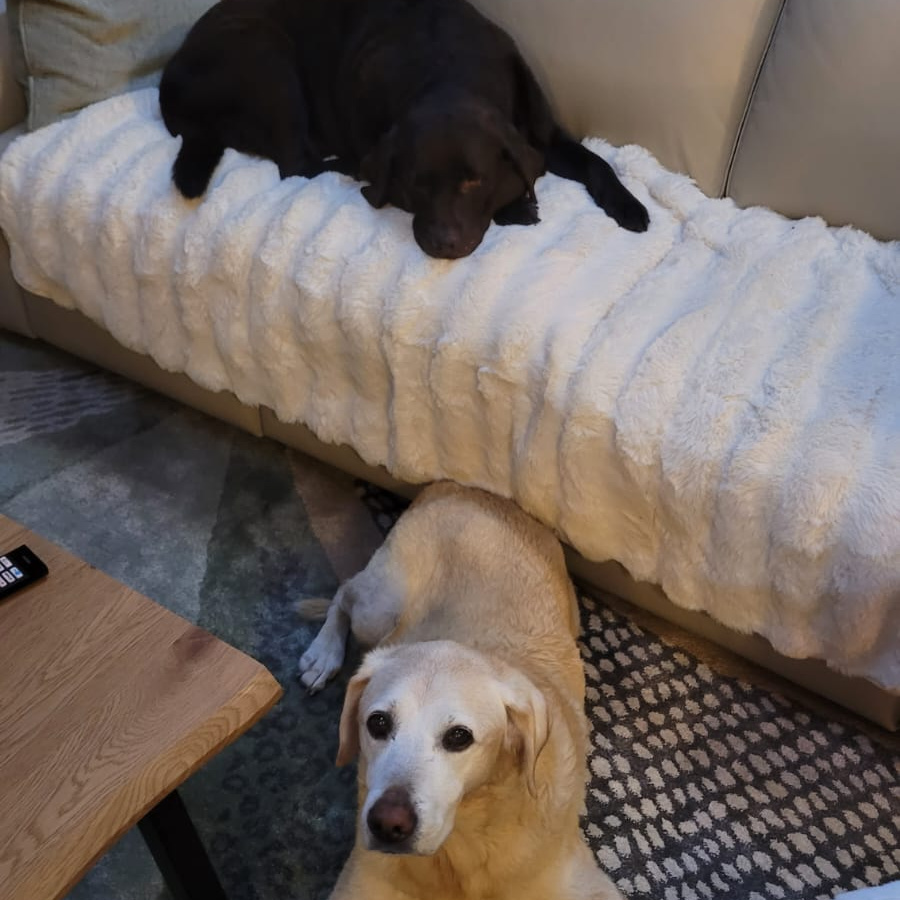
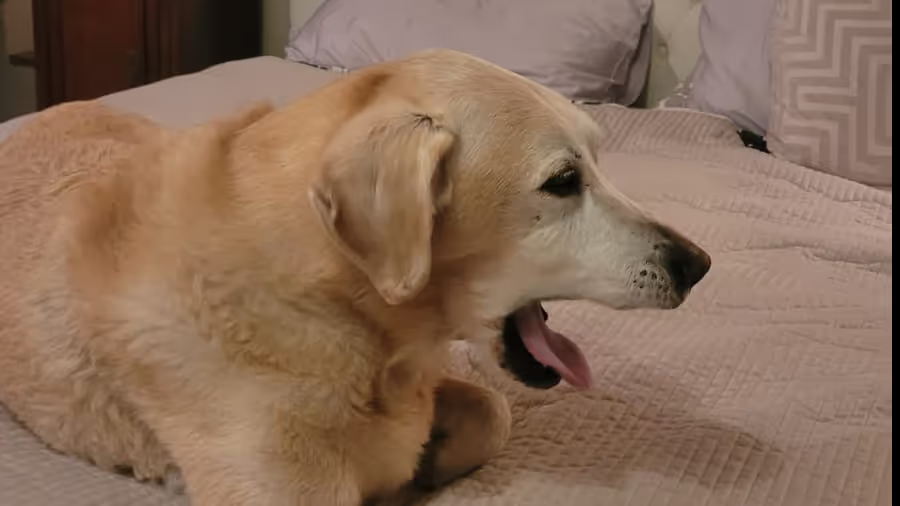
A Chocolate Labrador is using my foot as a pillow. Her companion, an older Lab, is curled up on a rug two metres away. The only sounds are his snoring and my keyboard.
This is the image that never makes it to Instagram. You see us hiking in Leysin with a Swiss Shepherd or sitting in an Athens apartment with a French Bulldog in our laps, but you do not see the 6am rain walk, the emergency floor sweep after someone dropped a grape, or the two hours I once spent chasing a terrified dog through a forest. That part is the actual job.
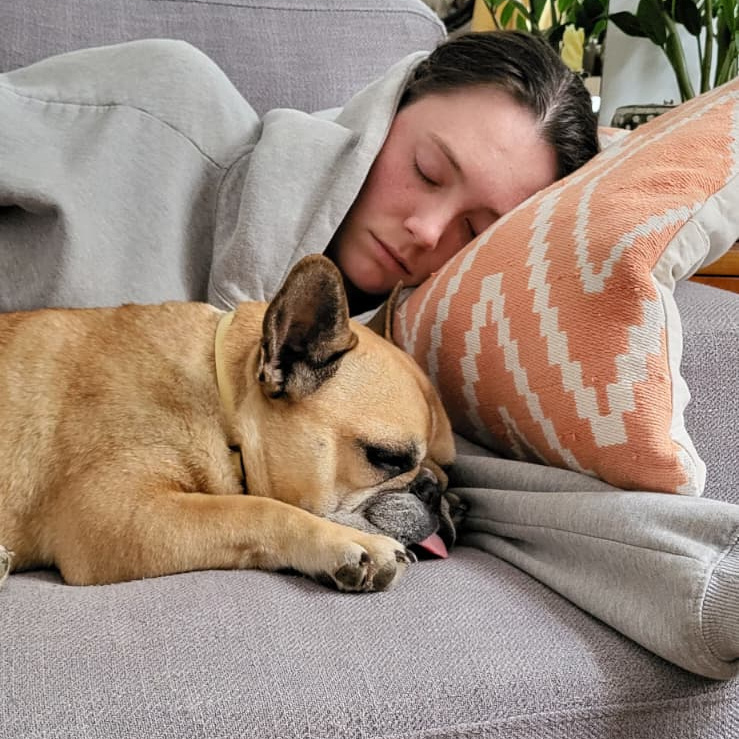
The Athens sit is a good example of the other end of the spectrum. The French Bulldog was excited from the moment we arrived — bouncing at the door, immediately comfortable, and by the end of the sit she would lean over to watch us walk out the door, tracking us until we were out of sight. That kind of instant connection is wonderful and it does happen. But it is not guaranteed, and the system in this guide is what you fall back on when it does not.
6 Steps to a Safe and Stress-Free Dog Sit
The Pre-Arrival Audit. Before you confirm, ask specifically about triggers — thunder, other dogs, strangers in hats — and any behavioural quirks the listing glosses over.
The Handover Observation. Watch the owner put on the leash and give a command. Note their exact tone and phrasing and replicate it. Dogs respond to consistency, not improvisation.
The Silent Arrival. Give an anxious dog at least 60 minutes of quiet space when the owners leave. Sit on the floor, ignore the dog, and let them come to you on their own timeline.
The Routine Lock-in. Set alarms for feeding and walks to match the owner's schedule within a 15-minute window. Routine is the dog's signal that the world is still working normally.
The Daily Floor Sweep. Check for dropped pills, grapes, or xylitol-containing gum every evening before you go to bed.
The Communication Loop. Send one photo and a brief all-is-well update to the owner every 24 hours. It takes two minutes and removes all anxiety on their end.
Before You Confirm: The Pre-Sit Disclosure Checklist
The most important part of any dog sit happens before you arrive. Problems that surface on day one almost always had roots in information that was not shared upfront, either because the owner forgot to mention it or because you did not ask directly enough.
Your video call with the homeowner is where you surface all of it. Read the listing carefully before the call and note anything vague. "He can be a bit excitable" and "she needs her medication twice a day" are not equivalent statements but both can hide behind casual phrasing. Ask specifically: are there any behavioural issues, health conditions, or training routines that are not in the listing? Give them the direct question and let them answer it.
If an owner mentions something significant on the call that was absent from their listing — aggression with other dogs, a history of separation anxiety, complex medication — that absence is worth noting. It may be an oversight. It may also tell you something about how carefully they have thought through the handover.
Your pre-sit checklist should cover the following before you confirm: feeding schedule and exact quantities, walk times and preferred routes, commands the dog reliably responds to, any known triggers such as thunder or other dogs, vet details and location of the nearest 24-hour emergency clinic, whether the dog has any history of escape attempts, and what the owner wants you to do if the dog refuses to eat.
One thing people consistently miss at the handover: take a photo of the dog's vaccination records and any medication bottles as soon as you arrive. Owners occasionally take the welcome guide with them by accident. Having that photo in your phone means you are never scrambling for information at 2am.
Also watch carefully for command ambiguity. "Down" means lie down for some owners and get off the furniture for others. Clarify these during the handover, not mid-walk when the dog is ignoring you.
The Arrival: Building Trust Without Forcing It
When the owners leave and the door closes behind them, the dog's world has just shifted. Their person is gone and there is a stranger in the house. Your first job is not to be enthusiastic. It is to be calm.
Before I started house sitting I did dog walking, and two of those dogs taught me more about canine trust than anything I have read since. One was terrified of men. On walks he would stop completely, refuse to move, and make it clear he wanted to go back immediately. In the house I could not get close to him unless I had snacks in my hand.
The second dog was afraid of men wearing baseball caps. I opened the door to collect him one morning and he bolted straight past me, across the road, and into the forest. I spent two hours chasing him before his owner left work early and eventually found him hiding in the undergrowth. In the end I stopped walking both dogs. It was too stressful for them and there were other walkers who were simply a better fit.
You cannot force a friendship with a pet and sometimes the honest thing is to recognise that you are not the right person for a particular animal. The most effective thing you can do with an anxious or cautious dog in the first hours of a sit is almost nothing. Find a spot in the main living area, sit down on the floor, and just exist in the space. Open your laptop. Read. Let the dog investigate you at its own pace without making eye contact or reaching out. Place a few high-value treats nearby. Allow them to approach, sniff, and retreat as many times as they need to.
A dog that feels pressured to accept you will stay tense. A dog that chooses to approach you on its own terms has already decided the risk is worth it, and that decision is the foundation of everything that follows.
One thing worth tracking on the first day: write down when the dog goes to the toilet. Anxious dogs often hold it for far longer than normal, and if a dog has not urinated within 12 hours of the owners leaving, that is worth flagging to the owner. Chronic holding can lead to UTIs and it is a clear indicator that the anxiety is more significant than the listing suggested.
If you are a homeowner reading this and your dog has serious separation anxiety or a strong fear response to strangers, it is worth considering a paid specialist sitter rather than a free exchange arrangement. Getting a genuinely fearful dog comfortable enough to accept basic care is a full-time job that goes beyond what most house sitters are set up to provide.
Routine Is the Whole Job
Dogs do not thrive on novelty. When their owners leave, routine is the one thing that signals the world is still working normally. Disrupting it signals the opposite.
We replicate the owner's schedule as precisely as we can. If the dog eats at 7am, we are up at 6.45am. If there is a midday walk, it happens at midday. If the dog sleeps in a specific spot, we do not rearrange the furniture. This level of consistency is not excessive — it is the baseline of good care.
You will probably find that even the dogs will dictate their routine on their own. They will start nudging you with their noses, for a walk, stand by the door, sit by their food bowls. Keep an eye on it and you will soon fall into the rhythm that the dog is already used to
A typical day with dogs looks roughly like this. Mornings begin with an immediate outdoor break or walk, then feeding. We will watch them eat for the first few days. A change in appetite is often the first observable sign that something is wrong. Midday usually means another outdoor break and, for higher-energy breeds, a longer walk or play session. Evenings bring another walk, dinner, and whatever the dog considers normal evening activity. Retching or gagging is the other one worth recognising on sight, and what a dog retching actually means covers it properly.
If you are working remotely during the sit, plan your schedule around the dog. You cannot leave a dog alone for eight hours while you grind through a workday. If the sit requires more daily hours of active care than your work schedule allows, it is not the right sit for this week.
The Dog Sitter's Daily Log — copy this into your notes app on day one:
| Task | Time | Notes |
|---|---|---|
| Morning walk | Energy level / stool notes | |
| Breakfast | Full bowl / half / refused | |
| Medication | Dosage given | |
| Bathroom breaks | Times and any concerns | |
| Midday break | ||
| Evening walk | ||
| Dinner | Full bowl / half / refused | |
| Owner update sent | Yes / No | |
| Notes | Anything unusual |
Keeping this log means you have clear, timestamped information if a health issue develops, and it takes less than two minutes per entry.
Preventing Escape: The One Rule With No Exceptions
The dog walking story bears repeating here. The dog was gone before I had even processed what happened. I could not outrun him. Two hours in a forest, the owner leaving work early, the dog found hiding and frightened. All of it started because I opened the door without first securing him.
The rule that came from that experience has never changed: the leash goes on before any external door opens. Not after, not simultaneously. Before. No exceptions for dogs you know well, no exceptions for dogs that never bolt, no exceptions when you are in a hurry.
Before the owners leave, do a full perimeter check of the yard. Look for gaps in fencing, loose gate latches, anything a determined dog could use.
Leash-up safety checklist — run through this before every walk:
Is the collar or harness snug? Use the two-finger rule: you should be able to slide two fingers underneath but no more.
Is the leash clipped to the correct D-ring on the harness, not a decorative loop?
Is the door behind you fully latched before you step off the porch?
Do you have high-value treats in your pocket for emergency recall distraction?
For dogs with a known history of bolting or high prey drive, consider using a belt leash clipped to your waist alongside a standard hand leash. The belt leash means you cannot accidentally let go and you have both hands free if you need them. It is a small addition that makes a meaningful difference with reactive or high-energy dogs.
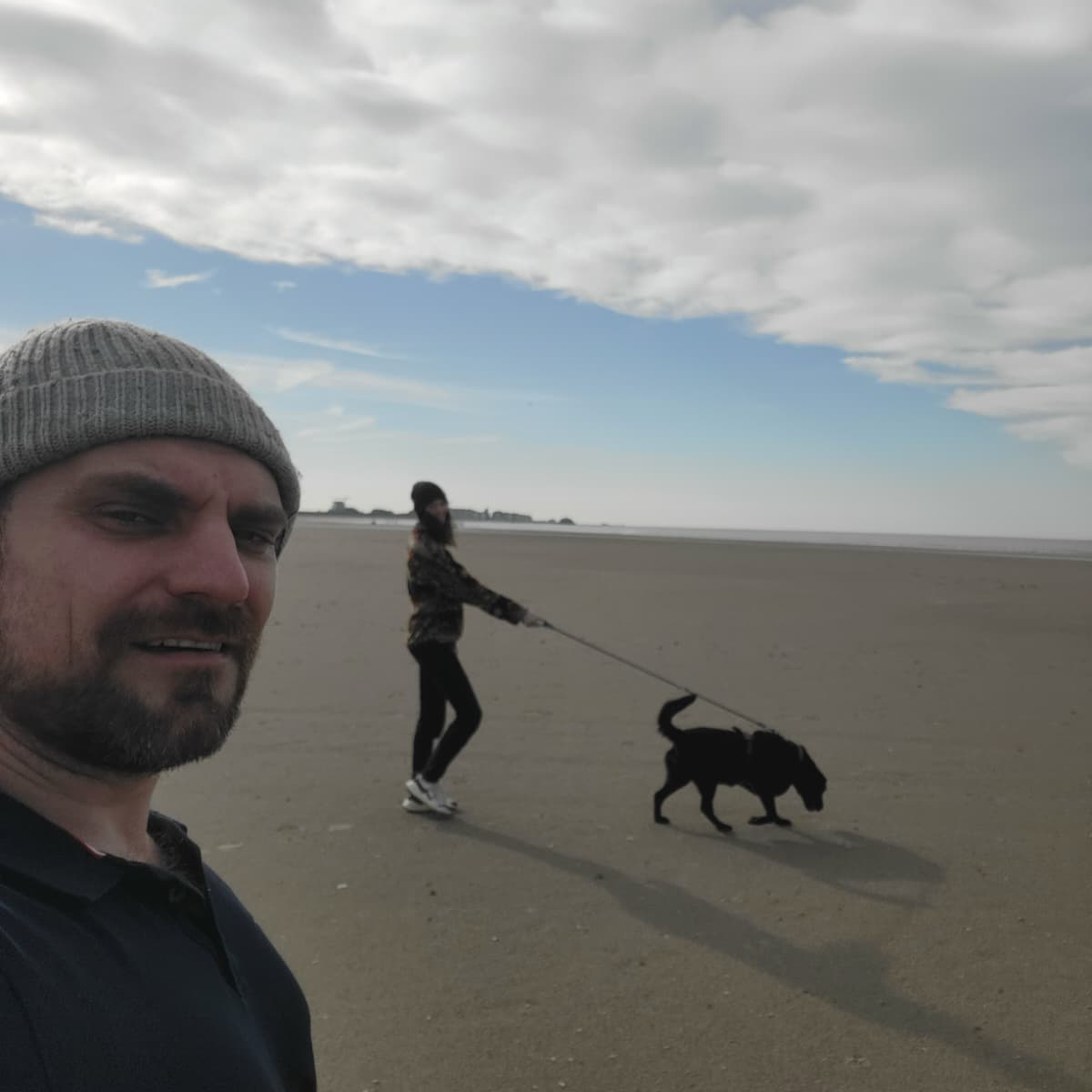
On walks, shorten the leash when approaching other dogs, cyclists, or anything that might trigger a sudden lunge. Be honest with yourself about your physical capability relative to the dog. The Chocolate Lab and her older companion in the opening of this article have a combined weight of around 55kg. If both decided to pull at once they could put either of us on the ground. Matching your physical capability to the sit you apply for is not a weakness — it is basic risk management.
Toxic Foods: The Kitchen Sweep
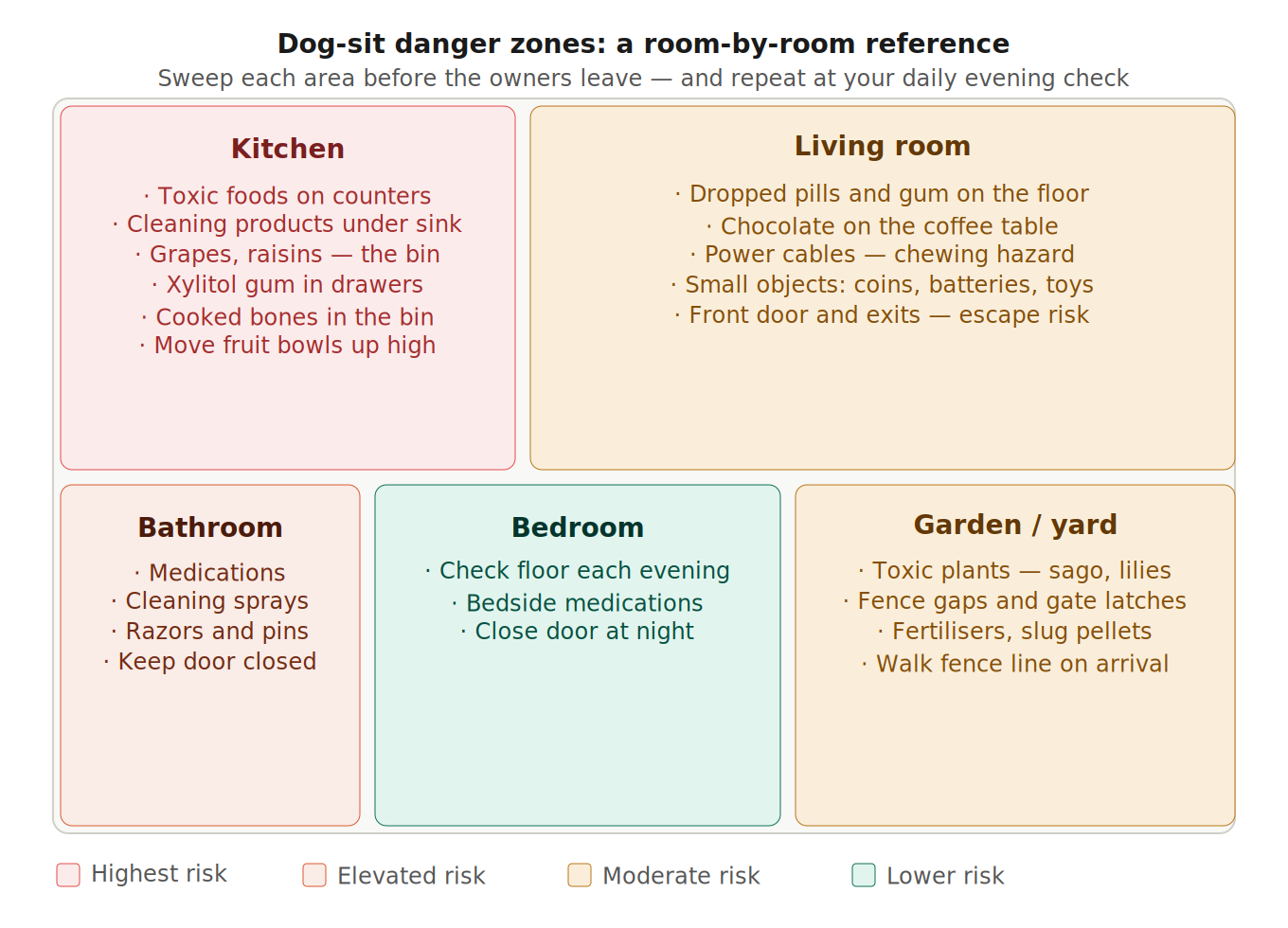
When you are living in someone else's kitchen, it is easy to become relaxed about what is left accessible. A bag of raisins on the counter, gum in a jacket pocket, a half-eaten chocolate bar on the coffee table — none of these would register as dangers in a pet-free household. In a dog-sit home they are emergencies waiting to happen. All three are on the list of human foods that are not safe to share, and the reasons are not always obvious.
We do a floor and surface sweep after every meal and cooking session. During one sit we found a dropped pill that had rolled under a table, dry against the skirting board and invisible unless you were looking. If the dog had found it first the outcome could have been very different.
| Food item | The risk | What to do |
|---|---|---|
| Xylitol (gum, some peanut butters) | Fatal blood sugar drop even in tiny amounts | Check labels for "birch sugar" — same thing. Pure stevia is generally safe, but many 2026 health products blend it with xylitol — check ingredient lists. |
| Grapes and raisins | Sudden kidney failure, no safe dose | Keep fruit bowls on high shelves, not counters |
| Chocolate | Heart and nervous system damage — darker is more dangerous | Move it to a closed cupboard for the duration of the sit |
| Cooked bones | Splinter and perforate the digestive tract | Never give table scraps even if the owner does |
| Onions and garlic | Damage red blood cells with cumulative exposure | Check ingredient lists on cooked meals and leftovers |
| Macadamia nuts | Neurological symptoms | Keep nuts stored away, not in open bowls |
| Avocado, caffeine, alcohol, yeast dough | Range from digestive upset to seizure | Standard kitchen awareness covers most of these |
Health Issues: The Three-Tier Response
At some point across enough sits, something will go wrong with a dog's health. Having a clear protocol means you spend your energy on the right action rather than on panic.
The first tier covers non-urgent concerns: a minor limp, a change in stool, an unusual lump, a slightly off appetite for one meal. For anything in this category, contact the owner. Describe what you are seeing specifically and include a photo if relevant. TrustedHouseSitters includes a 24-hour vet hotline with their standard and premium memberships, which is genuinely useful here — a professional second opinion in the middle of the night without waking the homeowner is worth having.
The second tier covers persistent or worsening issues: a dog that has refused food for more than a day, repeated vomiting, lethargy that does not lift. Contact the owner immediately and advocate for the animal if you feel your concern is being dismissed. Repeated retching with nothing coming up is a different and more urgent sign, which why that is rarely a hairball in dogs explains.
The third tier is a true emergency: collapse, seizure, suspected poisoning, severe trauma. Do not wait for the owner to respond. Go directly to the vet. The signs that belong in that tier, and the ones that do not, are set out in pet emergencies on a house sit.
2am emergency grab bag — have all of this in your phone before the sit starts:
Photo of the dog's vaccination record and ID documents (take this at the handover)
Google Maps pin saved for the nearest 24-hour emergency animal clinic
Owner's WhatsApp and a local emergency contact such as a neighbour or family member
Written confirmation from the owner on how vet bills are handled — do they call the clinic with a card number, do you pay and get reimbursed, is there a credit limit?
That last point matters more than people realise. Arriving at an emergency vet at 2am without clarity on payment is a situation you can avoid entirely with one question during the handover. The best option would be for the homeowner to leave a copy of their card with the vet with authorization in case of an emergency.
Then you can go in and give the dog the necessary care it needs without fussing over money.
Reading a Dog's Body Language
Dogs communicate constantly. Most signals people miss are not dramatic. Whale eye — where you can see the whites of the eyes — indicates discomfort or anxiety. Excessive yawning or lip licking when no food is present is a stress signal. Freezing, where the dog suddenly goes completely still, is a serious warning to back off immediately. Pacing and whining usually indicate anxiety rather than aggression. A dog that growls is communicating clearly — do not override it, back up and give space.
The principle with anxious dogs is always the same: reduce pressure and wait. Do not force eye contact, do not reach over the dog's head, do not crouch over them. Give the dogs some space and when they feel more relaxed they will approach you.
Red Flags in the Listing and Handover
Not every sit is the right sit. Over the years we have learned to recognise the signs that a sit will be more difficult than the listing suggests, and occasionally that it will be unsafe.
Vague health descriptions deserve direct follow-up. "A little cough" sometimes means a complex medication schedule. "Can be funny with strangers" sometimes means a bite history. Ask the direct question and judge the answer. An owner who becomes defensive about honest health disclosure is telling you something important.
Other patterns worth noting: no vet details provided when asked, mentions of aggression framed as personality rather than as something to manage, and homeowners who are visibly anxious during the handover in a way that transfers directly to the dog. A calm owner departure creates a calm first evening. A frantic one rarely does.
The perfect handover — five-minute checklist:
Did I watch the owner put on the leash? (Watch for collar-shyness — some dogs are hand-shy around their neck)
Are there any low-level plants I should move? Sago palms and certain lilies are toxic to dogs
Is "down" lie down or get off the furniture? Confirm command meanings before the owners leave
Does the dog bark at night noises? Where is any calming gear or crate kept?
Do I have a photo of the vaccination record and medication bottles in my phone right now?
What to Do If You Feel Unsafe
Most sits are uneventful. But genuine aggression does happen, and most guides either ignore this or give vague advice about staying calm. Here is the actual protocol.
If a dog shows serious aggression — lunging, snapping, biting, or resource guarding a space you need access to — do not attempt to correct the behaviour or establish dominance with an unfamiliar dog. Create a physical barrier immediately: close a door, use a baby gate, put something solid between you and the dog. Then document the behaviour with a video or photo if it is safe to do so, noting the context.
Contact the owner and the platform. If you are on TrustedHouseSitters, use their membership support line. Tell the owner plainly what is happening and that you need the local emergency contact — a neighbour or friend — to take the dog. This is why you ask for that contact at the handover. It is not paranoia. It is a backup plan for a situation that most sitters will never need but some will.
You are not obligated to manage a dog that is genuinely dangerous. Leaving a sit early under these circumstances is the responsible decision, not a failure.
Free vs. Paid: When Should You Charge?
This is a question many sitters reach after a few sits, usually after encountering one that was significantly more demanding than expected. The exchange model works well for healthy, low-maintenance dogs. It starts to break down when the sit requires specialist knowledge or near-constant presence.
| Free house sitting (exchange) | Paid pet sitting (job) | |
|---|---|---|
| Primary value | Free accommodation in a good location | Financial income for your time and expertise |
| Commitment | Balanced between care and personal time | The pet is the primary focus throughout |
| Complexity | Healthy, low-maintenance animals | Medical needs, puppies, or 24/7 supervision |
| Best for | Digital nomads and budget travellers | Local specialists and professional carers |
A useful rule of thumb: if the sit requires you to be in the home for more than four hours during the day — meaning you genuinely cannot go out and explore — or if you are administering injections or complex medication schedules, the sit has shifted from an exchange into a job. Treat it accordingly, either by declining or by having an honest conversation with the homeowner about whether a paid arrangement makes more sense for everyone.
For a full breakdown of what professional dog sitting rates look like in 2026, see our house sitting fees and rates guide.
When Personal Emergencies Happen
During our sit in Leysin, we received news that a member of Caro's family was not doing well. We contacted the homeowner immediately, explained the situation honestly, and arranged to cut the sit short by one day so we could travel to Germany. We had plans after the sit to travel through Switzerland and Luxembourg, but those went out the window.
When we arrived, the situation turned out to be less serious than the initial news had suggested. We ended up spending an unexpected extra week with the family,, which turned out to be genuinely lovely despite how it started. The sit ended one day early, the owner was understanding, and the situation resolved better than we feared.
The principle applies to any personal crisis: contact the homeowner as soon as you know there is an issue. Do not try to manage it quietly. Owners are generally far more understanding than sitters expect, particularly when they receive transparent communication rather than a last-minute call. Keep all communication through WhatsApp or the platform's messaging system so there is a clear record.
The Value Exchange
House sitting with dogs is not a free holiday. It is an exchange, and a serious one. The complexity of the sit should inform whether the exchange feels fair. A healthy, independent dog who needs two walks a day is a different proposition to a medically complex senior dog or a high-energy puppy requiring near-constant supervision. Both are legitimate sits. Both have different demands on your time and energy.
Understanding the scope of what you are taking on before you confirm is what makes the exchange work for both parties. If you are weighing up whether a sit's demands match the accommodation value on offer, our house sitting fees and rates breakdown gives you a framework for thinking through that comparison.
Conclusion
The older Lab has shifted, sighed, and settled back. The Chocolate Lab has not moved at all. Getting to this point — two dogs, a quiet house, complete mutual trust — is the whole point of the system. It does not happen by being the most enthusiastic person in the room. It happens by being the most consistent one.
DM us @housesittersguide on Instagram if you have questions about a specific sit or situation — we answer everyone.
Frequently Asked Questions
How long can I leave a dog alone during a house sit?
Most adult dogs can manage four to six hours alone, but the right answer depends on the individual dog, their age, and their history with separation anxiety. Clarify this with the owner before you confirm. Some dogs can handle more, some significantly less. For any dog with known separation anxiety, plan your day so you are rarely away for more than two to three hours. This is a question that should be answered before you arrive, not discovered by trial and error on day one.
What do I do if the dog gets sick during the sit?
Contact the owner immediately with a clear description of what you are seeing, plus a photo if relevant. For non-urgent issues they will usually know whether this is normal for their dog. For anything that concerns you, use the TrustedHouseSitters 24-hour vet line for a professional opinion. For a genuine emergency, go directly to the vet. Do not wait for the owner to respond if the situation is critical.
How do I handle a dog with separation anxiety?
Keep arrivals and departures low-key — no big fuss when you leave or return, as this makes the transition moments feel high-stakes. Maintain a consistent routine and use puzzle toys or a long-lasting chew to create a positive association with your departures. Track bathroom breaks on the first day — an anxious dog that has not urinated in 12 hours needs the owner to know. For dogs with severe anxiety, consider whether a paid specialist is genuinely a better fit for that animal.
Is it safe to let dogs off-leash during a sit?
Only in a securely fenced area with the owner's explicit permission. Never off-leash in open spaces, parks with unfenced perimeters, or anywhere a dog could bolt after a distraction. Even dogs with perfect recall at home can behave differently in unfamiliar environments. Once a motivated dog is gone, you cannot outrun it.
What if a dog refuses to eat for the first day or two?
A temporary loss of appetite in the first day or two after the owners leave is common and usually not cause for concern. Some dogs are sensitive to change and need time to settle. Keep offering food at the normal times, do not force it, and monitor closely. If the dog is still refusing food after 48 hours, contact the owner. If there are any other symptoms alongside the appetite loss, contact the owner sooner.
What should I do if the dog shows signs of aggression?
Back off, give space, and do not attempt to correct or assert yourself over an unfamiliar dog. Create a physical barrier if needed, document the behaviour, and contact both the owner and the platform. Not every dog and every sitter are a good match, and recognising that early is better for everyone, including the dog.
When does free house sitting become a paid job?
When the sit requires you to be home for more than four hours during the day, or when you are managing complex medical care, the arrangement has crossed from exchange into employment. At that point the accommodation is no longer fair compensation for the level of care being asked for. Either decline the sit or have an honest conversation with the homeowner about a paid arrangement. See our rates guide for current benchmarks.


Responses
What are your thoughts on this post?