Last Reviewed: February 16, 2026 Breadcrumbs: Home > House Sitting Guide > Van Life and House Sitting
📊 QUICK FACTS
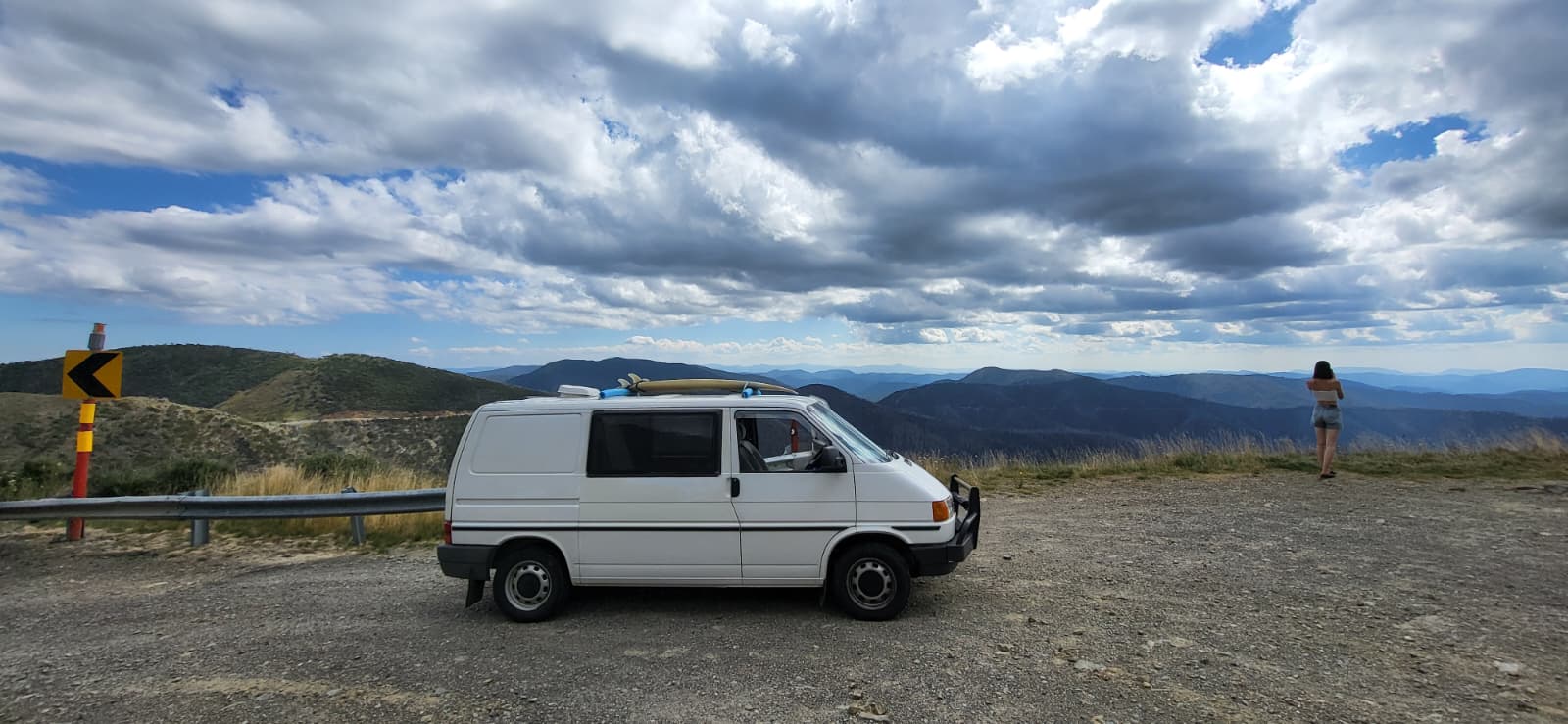
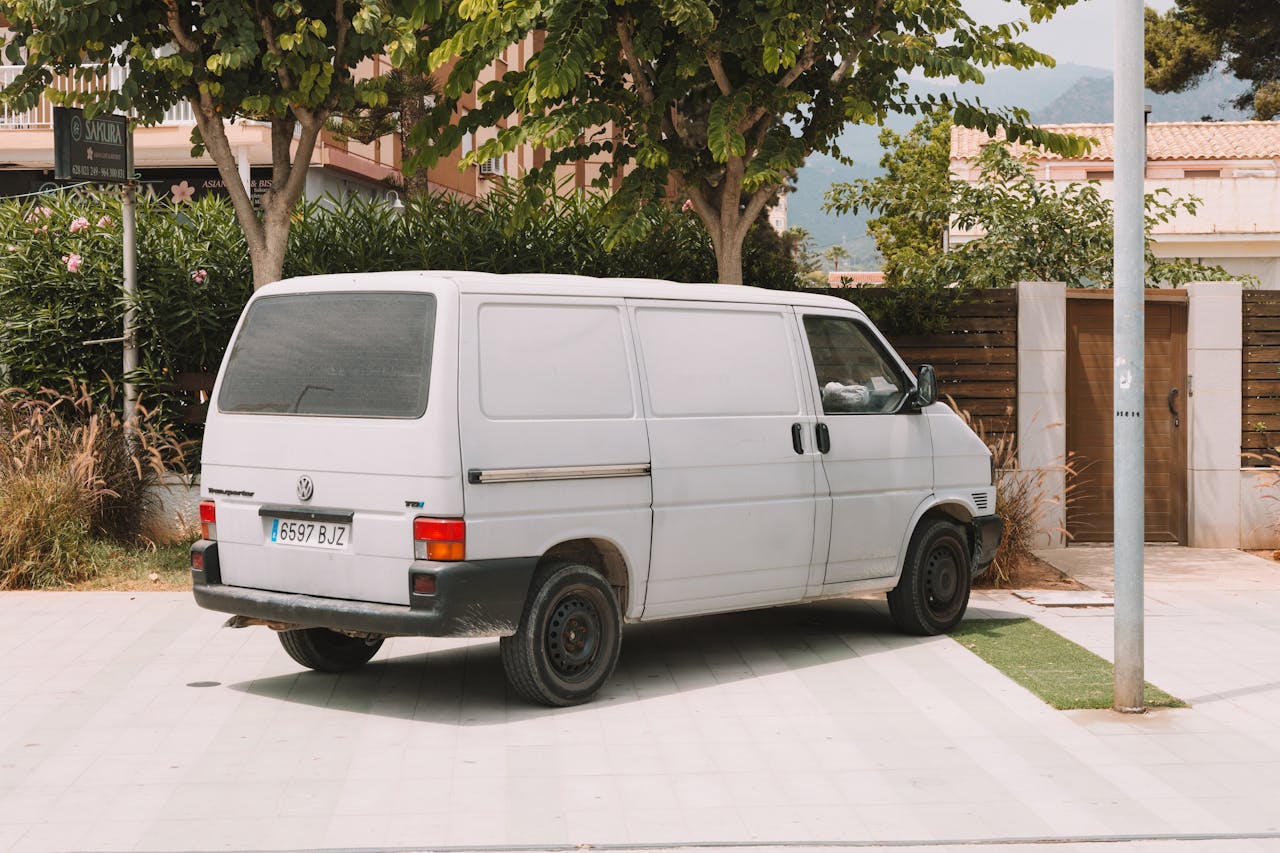
Our van: 1998 VW T4 2.0L Petrol, short wheelbase. Bought from a potato farmer in March 2025 with 73,000km on the clock.
Pre-trip repairs: €1,500+ in parts over 8 months. Lambda sensor, belts, muffler, catalytic converter, spark plugs, clutch components, filters. Final fix: a €30 engine fuse.
Distance driven since November 1, 2025: 11,000km
Route so far: Bochum → Rhine → Austria → Liechtenstein → Switzerland → Italy → San Marino → Sicily → Brindisi ferry → Albania → Lefkada → Kefalonia → Athens
Total cost for two people (3.5 months): ~€5,000 including fuel, food, repairs, tours
Monthly average: €1,000–1,200 Fuel: ~10L/100km, 800km per tank, ~€85 to fill. We top up at 500–600km when affordable fuel appears.
Best roadside repair: Italy mechanic, no English, Google Translate, bulged tyre and front brakes replaced for €130. We gave them beer and a tip.
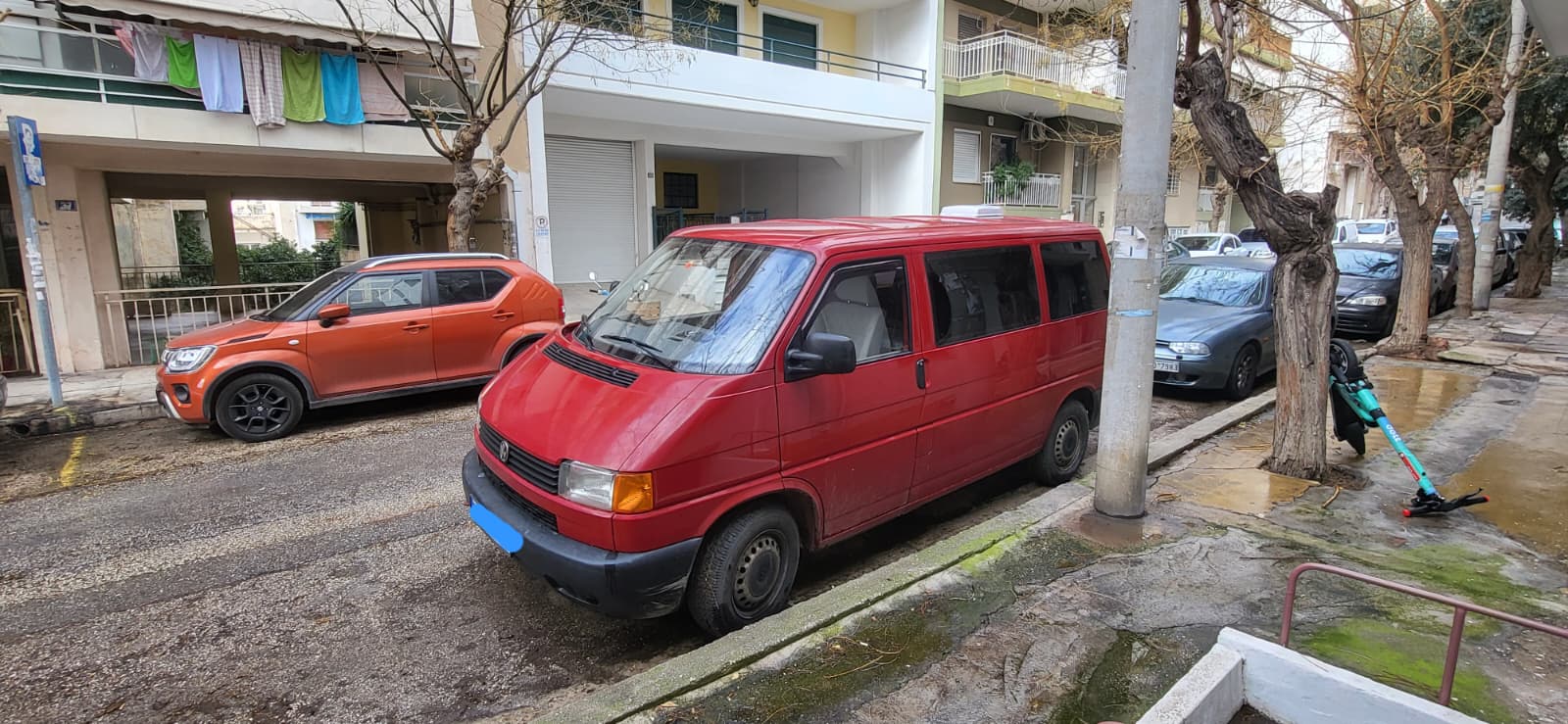
Current status: Athens, Greece. Van parked 5 steps from the front door of our house sit, has not moved since we arrived.
Written from our current house sit in Athens, Greece. February 16, 2026.
Does House sitting and Van life work together?
Combining van life with house sitting solves the two biggest problems with each: van life is free but exhausting, and house sitting is comfortable but puts you at the mercy of flights and fixed locations. With a van, you drive between sits at your own pace, you have a home if a sit falls through, and your flexibility becomes a selling point in every application you write. We have driven 11,000km across 10 countries on roughly €1,200/month for two people. The sits are not a break from the travel. They are what makes the travel sustainable.
In March 2025, we bought a 1998 VW T4 from a potato farmer. It had 73,000km on the clock, which for a van that age is almost nothing. Over the next eight months we replaced the lambda sensor, the fuel filter, the oil filter, the air filter, the belts, the muffler, the catalytic converter, the spark plugs and their cables, filled it with fresh oil, and replaced parts of the clutch. Total spent: over €1,500. The van still kept playing up.
Two weeks before we were due to leave in November, we took it to a third mechanic. This one had owned a T4 himself. He looked at it for a day, then told us to buy a €30 engine fuse.
I installed the fuse. Switched the car on. Since that moment, it has driven like an absolute champion across 11,000km of European roads.
I am not a mechanic. I learned everything I needed from YouTube videos and hours of conversations with AI tools, lying under the car or leaning into the bonnet in the car park of our Bochum flat. The T4 is old enough and simple enough that this is actually possible. But the fuse story is the thing I tell anyone who asks about van life: expect to feel stupid before you feel competent, and expect the fix to be nothing like the problem.
This is our guide to combining van life with house sitting. Every number in it is from our actual bank history and fuel receipts.
Why the Combination Works
Van life has a reputation for freedom, and that reputation is earned. Driving down the Rhine from Bochum to Switzerland, sleeping by the coast in Sicily, waking up at the Albanian border with nowhere to be. None of that happens on a flight itinerary.
But van life has real costs that the Instagram version does not show.
The exhaustion is real. After two to three weeks on the road, the hunt for water refills, the search for safe overnight parking, the two-burner stove, the 40-litre fridge. It compounds. You do not notice it building until you step into a house sit and stand under a hot shower for ten minutes without calculating how much water you are using.
The budget is lean but not zero. Our costs run €1,000–1,200 per month for two people. That covers fuel, food, and incidentals. It does not feel like a lot until you are on month three and you have not cooked a proper meal in a week because a two-burner stove and a 40L fridge have limits.
House sitting solves both of those problems directly. Every two to four weeks of driving, we settle into a home with a full kitchen, unlimited hot water, a washing machine, and room to actually breathe. The sit resets everything. We come out of it ready for the road again.
The sits are not interruptions to the van trip. They are what makes the van trip possible for months on end rather than weeks.
| Feature | Just Van Life | Van Life + House Sitting |
|---|---|---|
| Accommodation cost | €0 (wild camping) to €30 (campsite) | €0 (always) |
| Shower | Solar or public, cold and limited | Unlimited, hot, yours |
| Kitchen | 2-burner stove, 40L fridge | Full oven, full-size fridge |
| Mental load | High (where to sleep tonight?) | Low (fixed for 2 weeks) |
| Work/admin connectivity | Mobile data or café hunting | House sit Wi-Fi, sit down and focus |
| Backup if plans change | You are already home | You are already home |
| Cost per month (2 people) | ~€1,000–1,200 | ~€300–500 (sits absorb accommodation entirely) |
The numbers in that last row are ours. Three and a half months, 10 countries, two people, roughly €5,000 total. The house sits do not lower the van costs. They replace the accommodation line entirely..
⚠️ Reality Check #1: The Van Takes Work Before It Takes You Anywhere
Anyone considering buying a campervan specifically for house sitting trips needs to hear the honest version of the first eight months.
We bought the T4 in March 2025 with a November departure date. That felt like enough time. It was not. Every repair revealed the next one. The lambda sensor fix led to the filter replacements. The filter work revealed the belt and clutch issues. The catalytic converter was rusted through. At each stage there was a reasonable belief that this would be the last repair. At each stage, it was not.
Total before the trip: €1,500 in parts, hundreds of hours of Konrad's time.
The €30 fuse that actually fixed the underlying problem was diagnosed by the one mechanic in three who had personal experience with the T4 specifically. The lesson from that is not that you should feel stupid for spending €1,500 before finding a €30 solution. The lesson is to find a specialist mechanic for your specific van model before you start spending.
The T4 is a good van for this lifestyle precisely because of its simplicity. The engine is old enough that most repairs are approachable with video guides and patience. But "approachable with patience" means a lot of weekends under the car before it becomes the reliable machine we now drive.
If you are buying a van to combine with house sitting, build in a minimum of six months of prep time and a realistic repair budget. The van that looks cheap to buy is often the van that costs you the most before it is ready.
Route Planning: The Two-Horizon Strategy
The most common question we get is whether we plan the route around sits or sits around the route. In practice, it is both, operating at two different time horizons.
Long horizon (2 to 3 months out): Before we left Bochum, we identified one or two anchor sits along the broad route we wanted to drive. These gave us a direction (a reason to be heading toward Switzerland rather than south immediately) without locking us into a rigid schedule.
Short horizon (as we drive): We check Trusted House Sitters regularly while on the road. Our current Athens sit was confirmed 8 days before we arrived. Last-minute sits are available if you have the flexibility to take them. With a van, you always have that flexibility.
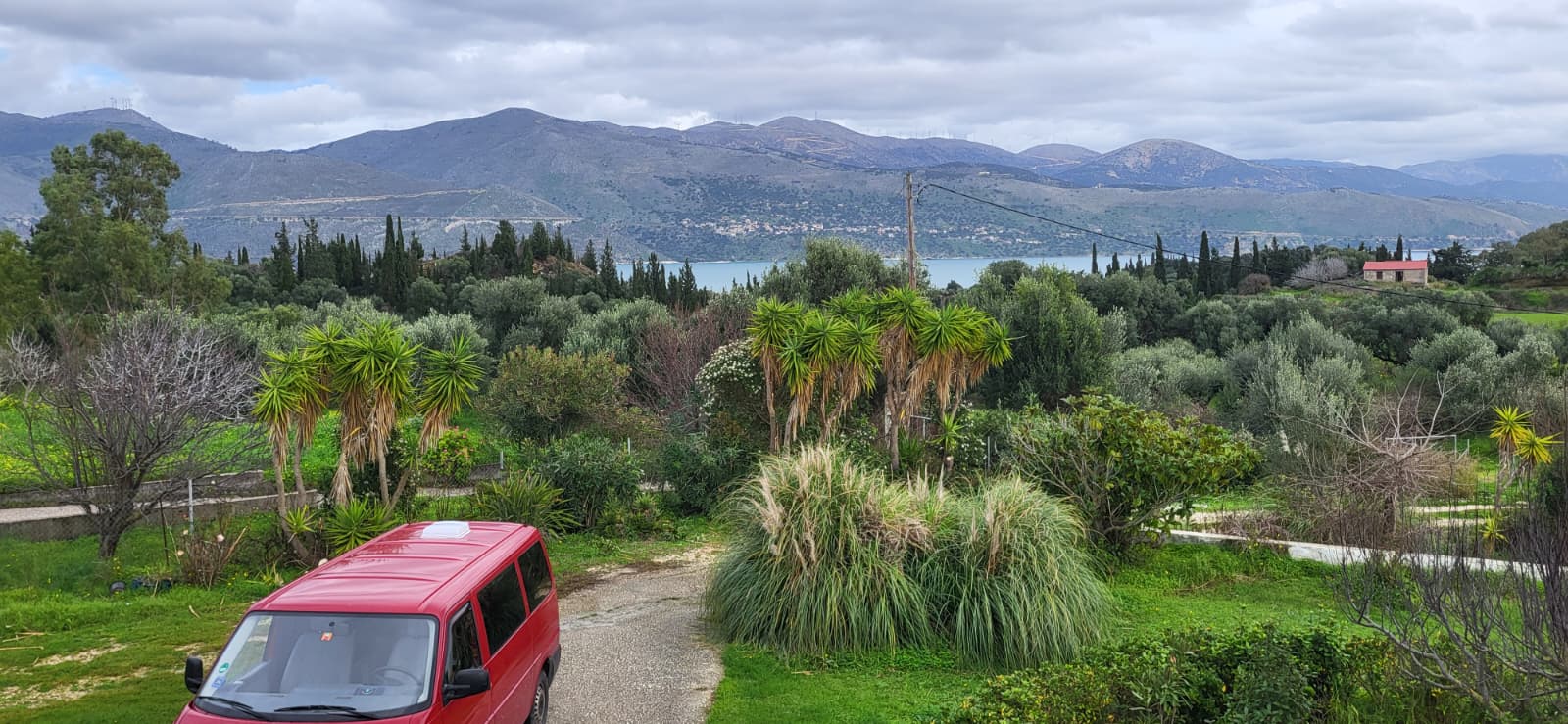
Our route since November: down the Rhine from Bochum through Germany, into Austria, across Liechtenstein, through Switzerland, the full length of Italy including a side trip to San Marino, across to Sicily, then a ferry from Brindisi to Vlore in Albania, and from there south through Greece: Lefkada, Kefalonia, and now Athens.
The sits were woven into that route rather than being the route themselves. Switzerland was a sit. Cortona was a sit. Ostuni was a sit. Kefalonia was a sit. Athens is a sit. Between them, we drove.
The two-horizon approach also provides resilience. If a last-minute sit falls through while you are already en route, you have your home with you. You just keep driving and search for the next opportunity. A cancelled sit is an inconvenience, not a crisis.
⚠️ Reality Check #2: Parking a Van Is Not Always Simple
At every sit, before anything else, we tell the homeowner we are arriving in a campervan and ask about parking.
This matters for two reasons. First, a van does not fit in a standard garage, and assuming it does creates a problem on arrival day. Second, in dense European cities, driveway space for a 5-metre vehicle is not guaranteed even when it technically exists.
Athens is the clearest example of why this conversation needs to happen in advance.
The streets here are packed beyond what most Western Europeans are used to. If there are no cars, there are scooters. If there are no scooters, there are steep hills that even scooters struggle with. When we arrived, the homeowner offered to move their own car to create space for us. While we were discussing logistics, the neighbour directly behind the owner's car pulled out and left. There was our spot. Five steps from the front door of the house sit, perfect size, and we have not moved the van since arriving.
That was luck. We prepare so that luck is the only variable we need.
The practical checklist before any sit:
Tell the owner during the video call that you are arriving by campervan
Ask whether there is driveway space, and what the height restriction is if it is a garage
If no private parking, ask the owner where they would recommend parking a larger vehicle nearby
For dense city sits specifically (Athens, central London, central Amsterdam), expect that the parking conversation will take longer and may require multiple options
The van being parked close also has a practical benefit during sits: we can access our belongings easily without unpacking everything into the house. Our valuables (laptops, cameras, passports) come inside. Everything else stays accessible in the van five steps away.
The Italy Mechanic: What Van Problems Look Like on the Road
Somewhere in Italy, the van started to shake. Not dramatically. A vibration that was wrong enough to notice but not wrong enough to be certain it was a tyre rather than a wheel alignment or something worse.
We pulled into the next mechanic we spotted. He looked at the booking calendar, told us to come back after 4pm. It was 1pm. We drove away, found food, came back.
He found a bulge in one of the tyres. While he had the wheel off, he checked the front brakes. They were close enough to the end of their life that we had already planned to replace them at our upcoming sit in Ostuni. We had him do both.
The mechanic did not speak English. We do not speak Italian beyond the basics. We managed the entire transaction on Google Translate, which was occasionally awkward and never actually a problem. When it was done, tyre replaced and front brakes replaced, the total was €130.
We were so relieved that we gave him and his colleagues a beer and a tip.
This is the version of van life that does not appear in travel content: the unscheduled afternoon in an Italian town you would never have visited otherwise, the mechanic who reads the problem correctly without needing a shared language, the €130 repair that would have been three times that cost at a branded garage. It is not always convenient. It is frequently the best part of the trip.
Keep a modest repair budget available throughout any van trip. We budget roughly €200 per month across the trip for unplanned mechanical work. In 3.5 months we have spent well under that on actual repairs.
Transitioning Between Van and Sit
The transition from the van to a house sit is not just logistical. Done well, it sets the tone for the entire sit.
Before you arrive: We keep clean, presentable clothes in sealed storage boxes in the back of the van. They are not our road clothes. Those live in a drawer under the bed. The storage boxes stay closed while we travel, so when we arrive at a sit we can change into something that does not smell of diesel or campfire before we knock on the door.
First impressions matter to homeowners. They are about to hand you their house and their pets. The difference between arriving looking like you take care of yourself versus arriving looking like you have been on the road for three weeks is a real difference in how the sit begins.
We also bring a bottle of wine. Every sit. Not as a transaction. It is a small signal that you are thinking about the homeowner, not just the free accommodation. The Athens homeowner paused when we handed it over and said it was unexpected. That pause, in our experience, is the moment the sit shifts from a formal arrangement to something more like being a guest.
The food transition: Our 40L fridge in the van holds enough food for the road. When we arrive at a sit, we pack the fridge contents into a box or bag and bring everything into the kitchen. First night's food is already handled. From that point, we shop in bulk and cook properly: lasagna, roasts, meals that are technically possible on a two-burner camp stove but in practice never happen. The full kitchen is one of the real pleasures of the sits, and we make full use of it.
Connectivity: On the road, we rely on local SIMs for data. It works for navigation and keeping up with THS notifications, but it is not reliable enough for bulk content work or anything that requires a stable connection. House sits change that completely. Every sit has home Wi-Fi, and we treat the first day or two as a catch-up window: uploading content, handling admin, backing up photos, anything that has been queued up from the road. If you work remotely or run any kind of online project alongside the travel, the sits are not just accommodation. They are your office reset.
⚠️ Reality Check #3: Pets and the Van
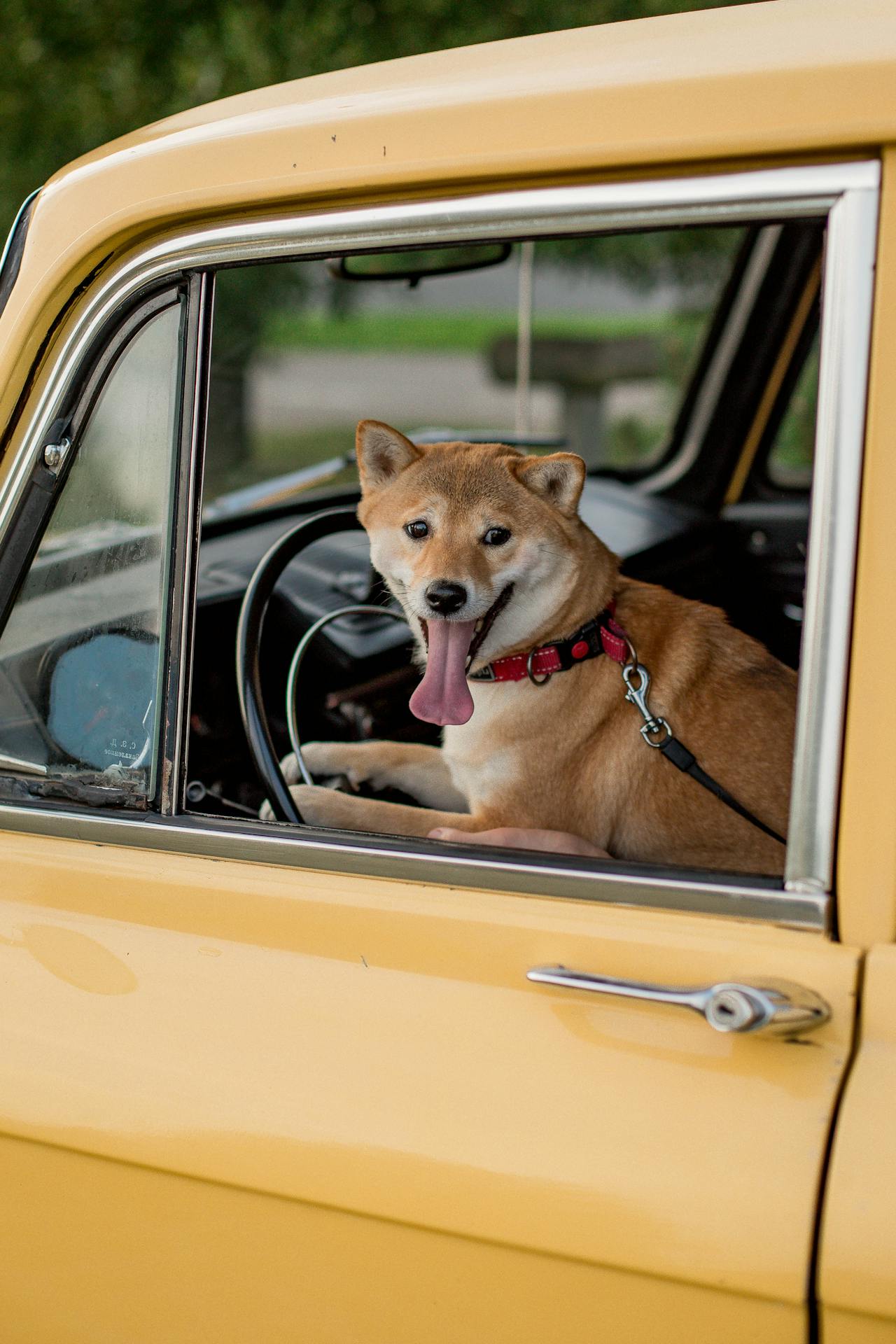
We are asked regularly whether we take the house sit pets on day trips in the van.
The answer is no, and we do not plan to change that.
The T4 is a short wheelbase van. Behind the front seats there is storage, our bed, and our gear. There is physical space for a dog, but no way to restrain one safely while driving. A large dog unrestrained in the back of a moving vehicle is a risk to the dog and a risk to us if we need to brake sharply.
Our answer to this is the same as it would be if we had no van at all: we take the pets for walks. Long ones, varied routes, exploring the neighbourhood properly on foot rather than from behind glass. The homeowners are not expecting their dog to go on scenic drives. They are expecting their dog to be cared for, exercised, and safe.
The van is for us between sits. The sit is for the pets and the home. We keep those two things separate.
The Van Life Sitter Profile Advantage
When we mention in our applications that we travel in our own vehicle, the response from homeowners is consistently positive, and we have thought about why.
A van lifer signals specific things to a homeowner without needing to state them directly. You are self-sufficient (you have been living out of a vehicle). You are resourceful (things go wrong and you fix them). You are tidy (small space living demands it). You do not need to be collected from an airport or helped with logistics on arrival.
That last point is practically significant. A sitter who can arrive flexibly, adjust their departure if plans change, and absorb last-minute schedule changes without stress is more useful to a homeowner than one whose entire trip is built around fixed flights.
We mention in every application that we travel by van and are completely flexible on arrival and departure times. During the sits, this has already proved useful. One owner returned a day earlier than planned, arriving at 11pm. We stayed the night and left in the morning. The review mentioned our adaptability specifically.
Do not hide the van. Lead with it.
Worth noting: the van is also what makes us competitive for sits at the highest tier. We live in a 1998 VW T4 from a potato farmer, and we have stayed in Swiss chalets worth €1,100 a night. The flexibility and self-sufficiency the van signals is exactly what luxury homeowners are looking for in a sitter. If you want to understand how that progression works, our guide to luxury house sits covers the full path from first review to high-end property.
Platform Strategy for Van Lifers
Different regions require different platforms. Our van trip covers Europe, so our platform stack reflects that.
Trusted House Sitters is the primary platform for every country we drive through. The coverage across Germany, Switzerland, Italy, Greece, and the countries around them is stronger than any alternative. This is where we find 95% of our sits.
Nomador becomes relevant specifically for France. If your van route takes you through France (the Rhine valley route naturally does), Nomador has 627 French listings against THS's considerably smaller number. For France specifically, it is the better platform.
For van lifers planning longer routes that include Australia or New Zealand, Aussie House Sitters and Kiwi House Sitting are the platforms with real volume in those markets. THS has listings there but the specialist platforms have deeper coverage.
The van trip and the house sitting platforms reinforce each other. The more flexible your route, the more useful the short-horizon strategy of checking for last-minute sits becomes. The more sits you land, the more your reviews build, the better your acceptance rate on the sits you actually want.
The If/Then Framework for Van Sitters
If you are buying a van specifically for this lifestyle → Budget six months of preparation time and a genuine repair fund before your departure date. The cheapest purchase price is rarely the cheapest van.
If you already own a van and want to add house sitting → Start with local sits while you are still at your home base. Build five reviews before committing to an open-ended road trip. The sits become more reliable as your profile grows.
If a house sit falls through while you are en route → You have your home with you. Keep driving. Post your availability on THS with a note about your current location and flexibility. Last-minute availability combined with a solid profile gets responses.
If parking is going to be a challenge at a specific sit → Have the conversation during the video call, not on arrival day. Ask the homeowner what their neighbours' situation is like. Arrive at a time when they are available to assist if needed.
If you want to take pets on excursions in the van → Invest in a proper dog restraint system first. Without the ability to secure the animal safely, this is not something we do and not something we would recommend.
If you are applying from a van and worried about appearing unprofessional → Lead with the van in your application. Frame it as flexibility, resourcefulness, and self-sufficiency. Those are the qualities homeowners at every tier are looking for.
Bottom Line
The 1998 VW T4 we bought from a potato farmer has driven 11,000km since November 1. It nearly bankrupted our sanity as it felt like no matter how much money and time we invested in the van, things were not getting fixed. Ultimately, a €30 fuse 2 weeks before our trip was about to begin, brought us the sanity back. Since then It has carried us down the Rhine, across the Alps, through Sicily, across the Adriatic, and down to Athens.
The house sits along that route (Switzerland, Kefalonia, Athens, and more) are not the reward at the end of the van trip. They are the thing that makes the van trip possible to sustain. Two weeks on the road, two weeks in someone's home with their dog and their kitchen and their shower. Repeat.
€1,000 to €1,200 per month for two people across 10 countries. Every sit costs nothing for accommodation and in fact it reduces our monthly budget as we don't have to fill up the van as often. The van is the freedom. The sits are the infrastructure.
If you are thinking about this combination, the first step is the same regardless of whether you already have a van: sign up for Trusted House Sitters, build your first few reviews somewhere local, and understand how the platform works before you are relying on it from a moving vehicle. The sits follow from the profile. The profile follows from the first sit. The first sit is closer than it feels.
Konrad & Caro 🐾🚐
DM us @housesittersguide and we answer everyone.

FAQ: Van Life and House Sitting
Do you need a specific type of van for this lifestyle?
No, but simpler is better. We drive a 1998 VW T4 with a 2.0L petrol engine. Old enough that most repairs are approachable with video guides and basic tools. A newer, more complex van may be more comfortable but will cost significantly more to repair when something goes wrong far from home. Short wheelbase is easier to park in dense European cities than long wheelbase. Whatever you drive, know the dimensions before you start booking sits in city centres.
How far in advance do you book sits to match your route?
Both short and long horizon. Major anchor sits go in two to three months ahead to give the trip a direction. Last-minute sits get confirmed as close as three days before arrival. The van makes that flexibility possible. If a last-minute sit falls through, you are not stranded, you just keep driving.
What do you do if a sit gets cancelled while you are en route?
Keep driving. With a van you have your home with you regardless. We post our updated availability on THS with our current location and flexibility noted. A sitter who can arrive within two or three days with complete schedule flexibility is useful to any homeowner who needs someone quickly.
Do you take the house sit pets in the van?
No. The T4 has no way to restrain a dog safely while driving. We take pets on walks instead, longer and more varied than most sitters would bother with, because we have the time and the vehicle for exploring the surrounding area on foot. Safety for the animal comes before convenience for us.
How do you handle parking in dense cities like Athens?
We tell every homeowner during the video call that we are arriving by campervan and ask about driveway access and nearby alternatives. In Athens specifically, street parking is heavily contested and the roads are narrow. We arrived to find a neighbour pulling out at exactly the right moment and secured a spot five steps from the front door. Luck played a role. The advance conversation with the homeowner is how you manage the parts that are not luck.
What is your actual monthly cost for van life combined with house sitting?
€1,000 to €1,200 per month for two people. That covers fuel (roughly €85 per tank, 600km range), food, and incidental costs. During house sits, costs drop further. We are buying groceries and cooking rather than paying for convenience food on the road. Over 3.5 months from November 2025 to February 2026, total spend for both of us is approximately €5,000.
Does travelling in a van help with house sitting applications?
Yes, directly. We mention our van in every application. Homeowners respond positively to the flexibility it implies: no airport pickups needed, adaptable on arrival and departure times, able to absorb schedule changes. One owner returned a day early at 11pm; we stayed the night without issue and the review mentioned our adaptability. The van signals self-sufficiency. Lead with it, do not hide it.
What should you bring from the van when you arrive at a sit?
Valuables always come inside: laptops, cameras, passports. We also bring in the contents of our 40L fridge to avoid waste. We keep a dedicated set of presentable clothes in sealed storage boxes in the back of the van, separate from road clothes, so we arrive looking clean regardless of what the previous few days of driving looked like. And we bring a bottle of wine. Every sit.