

Breadcrumbs: Home > House Sitting Guide > House Sitting Switzerland
Quick Facts: House Sitting Switzerland 2026
| Our Swiss sits | Two: a chalet in Leysin (42 applicants, we won it) and a village house in Cries, Valais |
| Listings right now | Nomador 38, TrustedHouseSitters 20, MindMyHouse 5, verified before publishing |
| The market | Small in numbers, but the highest quality density of any country we have sat |
| The review barrier | Homeowners commonly expect 7+ reviews. The Leysin chalet drew 42 applicants |
| Rules that catch sitters | 40 CHF motorway vignette, taxed rubbish bags, footpath clearing, income-based speeding fines |
| Connectivity | Fibre broadband in both sits, including a village too small for most maps |
| Why homeowners list | Swiss kennel costs are among the highest in Europe, so owners are genuinely motivated |
Switzerland is our most returned-to country for house sitting, and the reason is density: roughly 63 listings across the main platforms at any time, Nomador 38, THS 20, MindMyHouse 5, but the quality of the homes and the motivation of the homeowners is higher than anywhere else we have sat. The price of entry is real, expect dozens of applicants and a seven-review minimum, and the local rules, the vignette, the taxed bags, the footpath clearing, will cost you if you do not learn them. This guide covers both of our Swiss sits, the platforms that work, and every rule that could fine you.
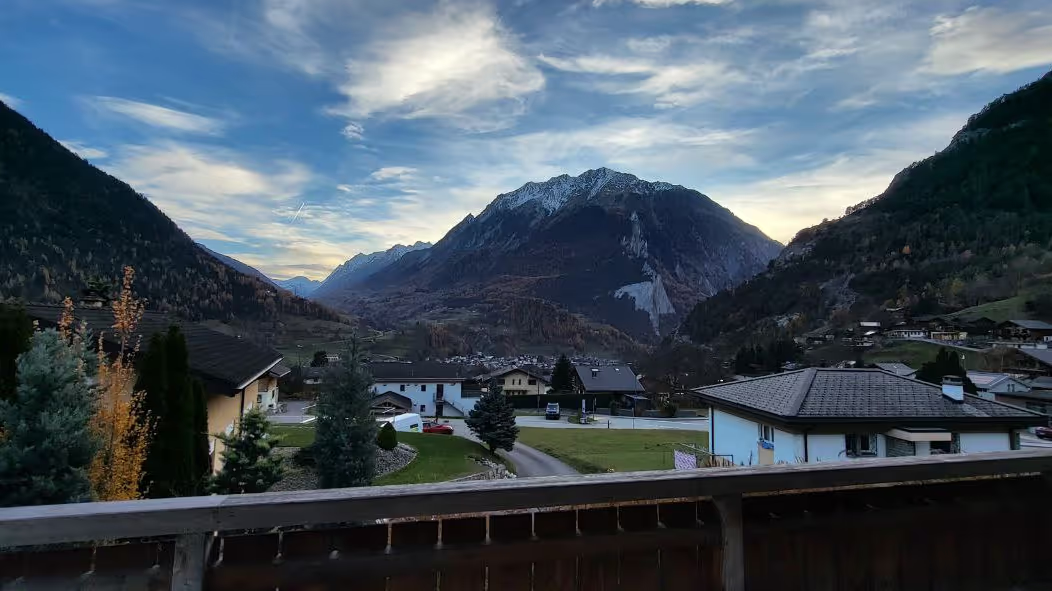
We were standing on the terrace in Cries, Canton Valais, at around seven in the morning, watching the sun climb the Mont Blanc range. From the kitchen, the living room, and even our bedroom, the view was like a live wallpaper that someone had stretched across the horizon. As the sit went on, we'd watch the snowline creep further down the valley each day, the mountains slowly whitening from the peaks towards the fields below. I have looked at a lot of views in eleven years of travel. That one is in a category of its own.
We were there to look after three cats with specific dietary requirements, which turned out to be a far more involved job than the listing suggested. Each cat needed a precise amount of food, teeth brushed daily, and medication administered at set times. On day one it felt like a monstrous task. We were chasing cats around the kitchen with food bowls, trying to measure 82 grams accurately while a cat weaved between our legs. By day three we had a system, and by the end of the first week we had turned the whole routine into something we actually looked forward to. That shift from chaos to rhythm is one of the things that makes house sitting addictive if you let it be.
The sauna helped. We'd finish the evening feeding, head into the sauna, then step out onto the patio for the outdoor shower with the Mont Blanc range sitting directly in front of us in the dark. That is not a sentence I expected to write about a house sit I found on the internet.
Switzerland is our most returned-to country for house sitting, and this article covers everything we've learned across two Swiss sits: what platforms actually work here, the local rules that catch sitters out, how to handle the cost of living, and what made beating 42 applicants for a chalet in Leysin feel worth every rejection that came before it.
Why Switzerland Works So Well for House Sitters
The economic logic here is unusually favourable for sitters. Swiss kennel costs are among the highest in Europe, which means homeowners are far more motivated to find a trusted sitter than they would be in countries where boarding is affordable. The homeowners we have dealt with in Switzerland have been organised, communicative, and clearly invested in finding the right people, rather than just the first available applicants.
The quality of the properties follows the cost of living. Even a modest Swiss home tends to have excellent insulation, a well-equipped kitchen, and infrastructure that works reliably. The chalet in Leysin had a kitchen that felt more functional than most restaurant setups we've seen. The property in Cries had fibre broadband in a village so small it doesn't appear on most maps. This is simply what the standard of living looks like here, and as a house sitter you inherit it for the duration of the sit.
Competition is real, though. Switzerland consistently produces the highest-quality listings on TrustedHouseSitters, which means other experienced sitters are targeting the same properties. This is not a market for new profiles with two reviews. Read our full guide on how to land luxury house sits if you're building towards Swiss sits specifically.
The Most Reliable House Sitting Services in Switzerland
Switzerland is a small market in raw listing numbers, but the quality density is higher than almost anywhere else we've sat.
| Platform | Swiss listings | Plan | Annual cost | Booking fee per sit |
|---|---|---|---|---|
| TrustedHouseSitters | 20 | Basic | $129 | $12 |
| 20 | Standard | $169 | $12 | |
| 20 | Premium | $259 | None | |
| Nomador | 38 | Discovery | €89 (or €34 /3 months) | None |
| 38 | Standard | €149 | None | |
| 38 | Premium | €189 | None | |
| MindMyHouse | 5 | Single tier | $29 | None |
The THS booking fee is worth understanding before you commit to a plan. Basic and Standard members pay $12 per confirmed sit on top of their annual subscription. At the Premium tier that fee disappears entirely. If you're doing multiple Swiss sits in a year, the maths tips towards Premium quickly. The full breakdown of how the TrustedHouseSitters booking fee works across tiers is in its own article.
TrustedHouseSitters is where we do 95% of our sits globally, and Switzerland is no different for German and English-speaking cantons. The Leysin chalet came through THS. If you haven't joined yet, there's a TrustedHouseSitters discount code that takes 25% off your first year.
Nomador is the stronger platform for French-speaking Switzerland, which covers Lausanne, Montreux, Geneva, and the Valais region where we sat in Cries. Its French roots give it deeper penetration in Romandie than THS, and the villa-style listings there tend to be exceptional. The Discovery plan at €34 for three months is worth using as a trial if you want to test the French-speaking market before committing to a full year. If you're targeting the western cantons specifically, Nomador is worth subscribing to alongside THS rather than instead of it. A full comparison of all platforms is in our international house sitting platforms guide.
MindMyHouse has only five Swiss listings, but at $29 per year with no booking fees it costs almost nothing to maintain alongside your other subscriptions. For Switzerland specifically, five listings in a small market is meaningful, not negligible.
The Swiss Rules That Will Catch You Out
Switzerland runs with a precision that extends into everyday civic life. These are not optional guidelines.
The taxed bag system. You cannot throw rubbish in a generic black bag. Most cantons require specific, purchased bags for general waste. In Zurich it's the Züri-Sack. In Basel, the Bebbi-Sagg. You buy them at the supermarket. If you put rubbish in the wrong bag, authorities will open it to find an address and fine the homeowner, not you directly, which is a fast way to end a house sitting relationship badly. Always ask the owner where their specific bags are kept before they leave.
Snow clearing in winter. In many Swiss municipalities, the legal responsibility for clearing the footpath in front of the property falls on whoever is living there, which during your sit means you. The typical requirement is cleared by 7:00 AM. Failure to clear it and a pedestrian injures themselves puts the liability on the resident. Ask the homeowner directly whether this applies, particularly for freestanding properties. Our guide on house sitting legal issues covers how to handle liability questions before a sit begins.
Animal welfare law. Switzerland has some of the strictest animal protection legislation in Europe. Dogs require daily exercise and social contact. Crating for extended periods is illegal. Shock collars and prong collars are banned outright. Before accepting a sit, make sure you understand what the homeowner expects, and read our guide on looking after dogs during a house sit to understand the baseline standard Swiss owners will assume you meet.
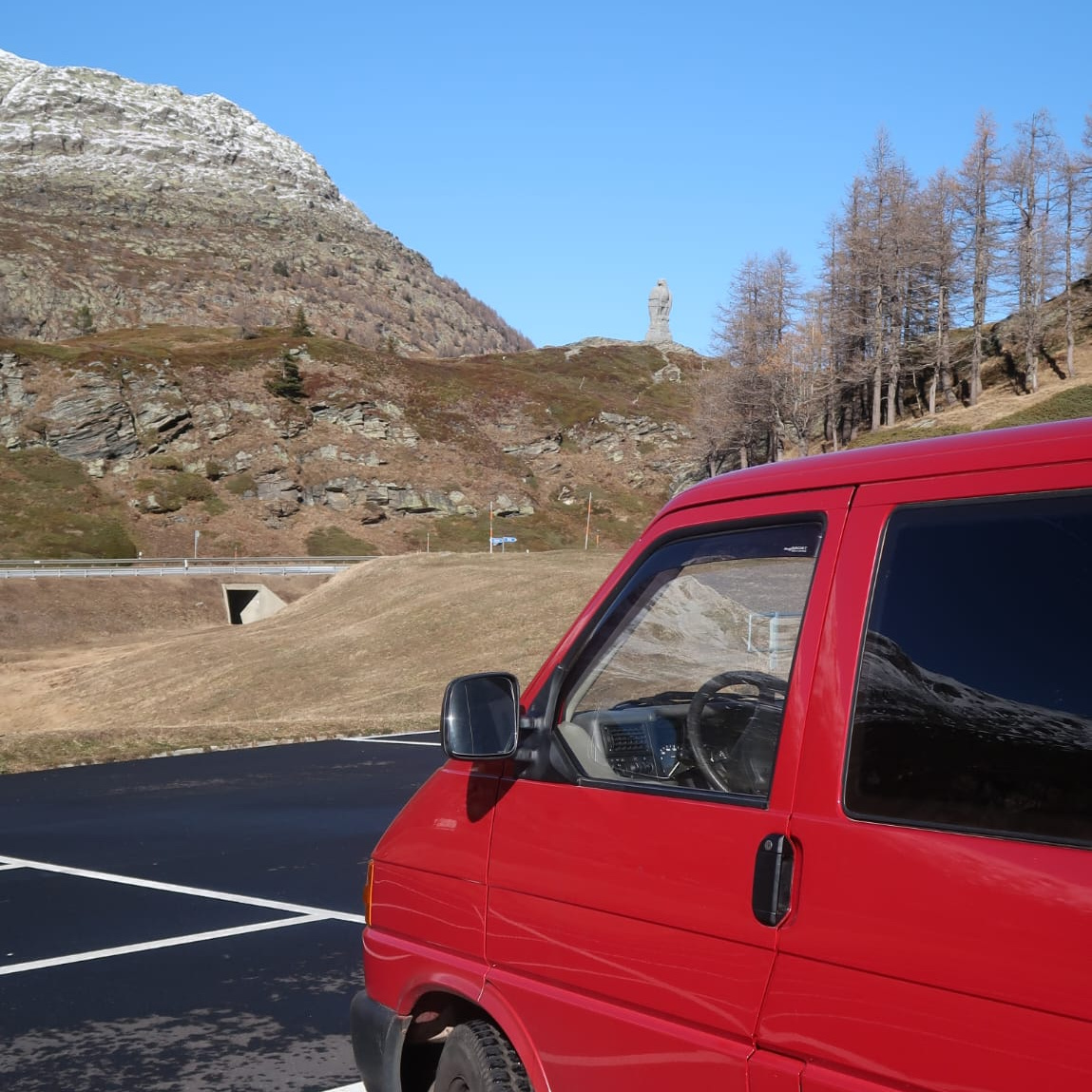
The motorway Vignette. If you're crossing into Switzerland by car, you need a 40 CHF Vignette sticker purchased at the border before you use any motorway. It covers the calendar year, not 12 months from purchase. Fines for driving without one are steep and cameras are reliable.
The Reality of Swiss Living Costs
Removing accommodation from the equation changes Switzerland from an expensive destination to a very manageable one. The coffee is still 6 CHF. The train tickets are still eye-watering. But without a nightly room rate sitting behind everything else, the day-to-day spending is entirely liveable if you shop and move strategically.
For groceries, skip Coop and Migros for everyday items and go to Lidl or Denner. The price difference on basics is significant, and Denner in particular stocks excellent local Swiss wine at prices that don't make it onto export markets. We found bottles there we couldn't track down anywhere else, at a fraction of what they'd cost in a restaurant.
If you're sitting near Geneva or Basel, the French and German borders are minutes away and grocery prices across them are substantially lower. We've made regular shops across the border a routine part of longer Swiss sits. The drive is short enough that the saving is worth it, and it's a legitimate reason to explore a different country for an afternoon.
For banking, use a fee-free card for CHF transactions. We use N26, which handles Swiss Franc spending without the conversion fees that traditional banks apply. Switzerland is not in the EU, so standard European banking assumptions don't always hold.
On mobile data: if you're sitting near the Liechtenstein border or any border region, put your phone on airplane mode when you cross unless you have a Swiss or fully international plan. Konrad left his phone on roaming during a Liechtenstein day trip, didn't make a single call, and accumulated four euros in data charges in 28 minutes from background processes alone. The Swiss network is strong enough that your phone will switch to it automatically when you cross, even briefly.
The Leysin Chalet: What Beating 42 Applicants Actually Looked Like
We applied for the Leysin chalet in July 2025 at ten reviews. We had been rejected for a similar Swiss property eight months earlier when we had five reviews, and the owner had told us directly that seven was their minimum. That rejection sent us to the French Alps for a month instead, which turned out to be exactly the sit we needed at that point in our journey.
By the time Leysin came up we knew the application process well. We mentioned the dogs in the first sentence. We referenced specific details from the listing. We positioned our backgrounds as direct solutions to what the owners were worried about: Konrad's hotel management experience in Iceland for property logistics, Caro's six-and-a-half year teaching degree for routine and attention to detail. We offered a video call in the closing line rather than leaving it open.
The owners told us afterwards that forty out of forty-two applicants had written about themselves: their travel dreams, their love of Switzerland, why this would be a wonderful experience for them. Only two had written about the dogs. If you want a deeper breakdown of what the winning application looks like, it's all in the house sitting application guide.
The chalet itself was three storeys, fully equipped, with the kind of mountain views you assume are stock photos until you're standing in front of them. The dog had a clear routine, the handover was thorough, and the video call beforehand had covered everything we needed to know. It was, in many ways, the sit that made everything that came before it make sense.
Connectivity and Getting Around
Internet quality in Switzerland is not a concern worth worrying about in any populated area, and barely worth worrying about in remote ones. Leysin is an alpine ski resort accessible only by cog railway, and we had fibre broadband that handled video calls without interruption. Cries, a small village in the Valais, also had a fast, stable connection. If your work depends on upload speeds, ask the homeowner for a speed test screenshot before confirming, but we have never had a connectivity problem across two Swiss sits. Our guide to house sitting for remote workers covers what to ask during the video call.
Transport in Switzerland requires a decision before you arrive: train or car. The SBB train system is excellent and covers almost everywhere, including mountain destinations, with a reliability that makes the UK rail network look embarrassing. Download the SBB Mobile app before you arrive for timetables and ticket purchasing. The costs are real, but a Half Fare Card (Halbtax) purchased for one season significantly reduces point-to-point fares if you're travelling around during a longer sit.
If the homeowners offer the use of a car, clarify insurance before you accept. Speed cameras in Switzerland are everywhere, fines are calculated on income in serious cases, and even minimum fines are higher than most sitters expect. Our article on lending a car during a house sit covers what should be confirmed in writing beforehand.
Visas and Borders: What to Know Before You Cross
Switzerland is part of the Schengen Area but not the EU, which means the border crossing can occasionally involve a genuine check rather than a wave-through. As a house sitter, you are a tourist engaged in a cashless exchange, not a worker. Know what to tell customs when house sitting abroad before you reach the border: you are visiting and staying with local contacts, not working in any capacity.
Non-EU citizens, including Americans, Australians, and Canadians, can stay for 90 days within any 180-day period across the entire Schengen zone. That means time spent in France, Italy, Germany, or Austria counts toward the same limit as Switzerland. If you're planning a longer travel chain through multiple Schengen countries before or after a Swiss sit, track the days carefully.
2026 border update: EES and ETIAS. As of April 10, 2026, the EU Entry/Exit System (EES) is fully operational across all 29 Schengen countries, including Switzerland. Passport stamping has been replaced by biometric registration: on your first crossing, a border agent or self-service kiosk will collect a facial scan and fingerprints. On subsequent entries, a quick biometric scan verifies your identity and calculates your Schengen stay automatically. The 90/180-day rule is now enforced digitally rather than by manual stamp counting, so overstays are detected reliably. You can pre-register via the official Travel to Europe app to reduce queue time at the border. ETIAS, a separate pre-travel authorisation for visa-exempt travellers from countries including the US, UK, and Australia, is scheduled for late 2026 but is not yet mandatory. Check the official ETIAS page for the confirmed launch date before booking any sit that straddles that window.
If you're driving into Switzerland, the motorway Vignette is a separate requirement entirely from the EES. It costs 40 CHF, covers the calendar year not 12 months from purchase, and must be purchased before using any Swiss motorway. Buy it at the border crossing on entry. Fines for driving without one are steep and enforcement is reliable.
For house sitting insurance, Switzerland is not a country to cut corners. Healthcare here is private, world-class, and expensive. Ensure your travel insurance covers the full sit duration and includes liability coverage for property damage. TrustedHouseSitters Standard and Premium plans include third-party liability as part of the membership, which is one reason it's worth paying for the higher tier in a market like this.
What to Pack
Layers at any time of year. Even summer evenings in the mountains drop quickly, and some higher-altitude sits require a warm layer as late as June. For winter sits, proper grip boots for icy paths are not optional, they are necessary for the snow-clearing responsibility and for basic mobility on icy village streets. Our full house sit packing guide covers the complete list.
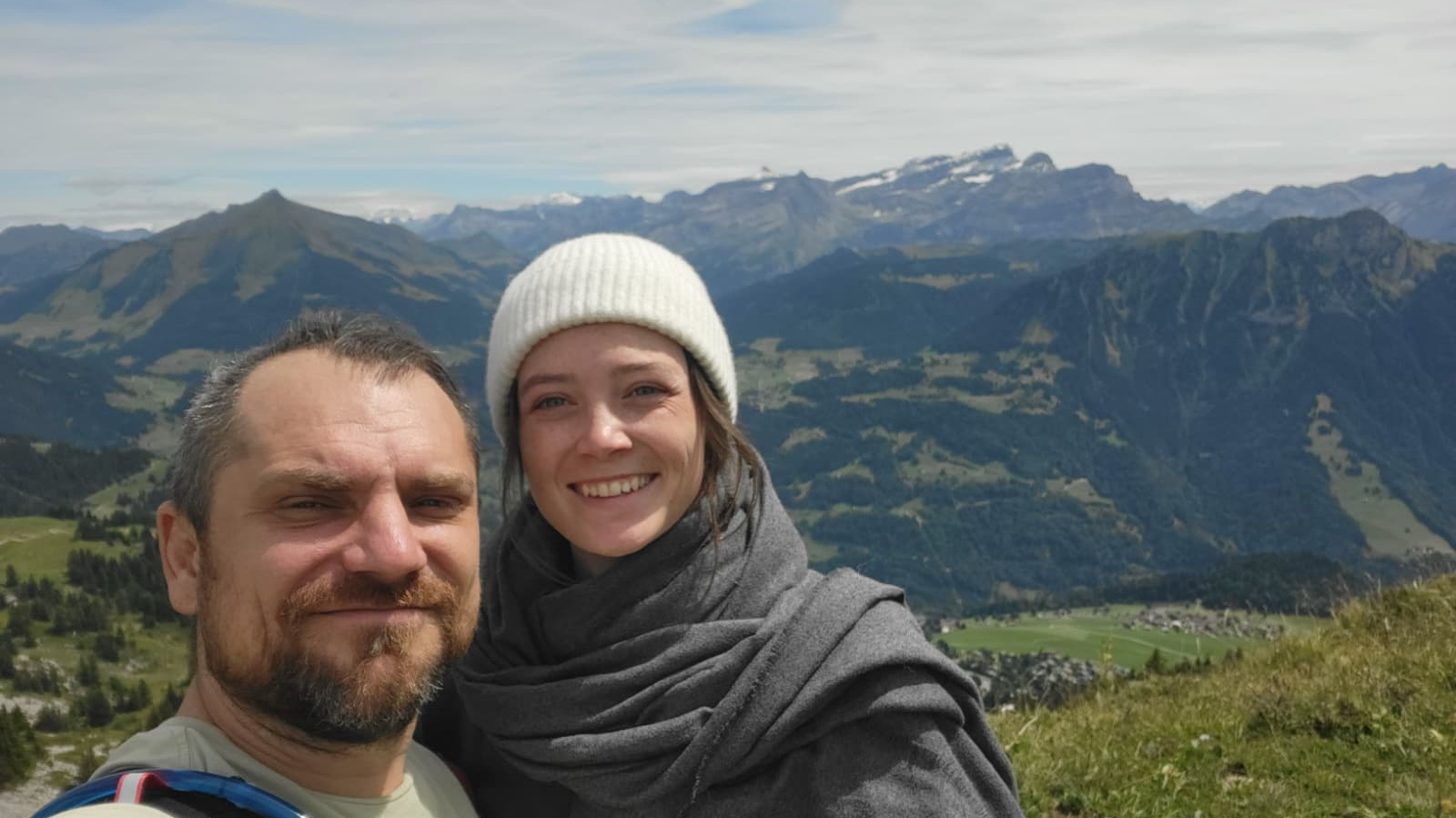
Konrad and Caro
DM us @housesittersguide if you have questions, we answer everyone.
Frequently Asked Questions
How many house sitting listings are there in Switzerland in 2026?
TrustedHouseSitters has 20 Swiss listings, Nomador has 38 (concentrated in French-speaking cantons), and MindMyHouse has 5, all verified before publishing. The total market is small but the quality density is higher than almost any other country in Europe.
Which platform is best for house sitting in Switzerland?
It depends on which part of Switzerland you're targeting. TrustedHouseSitters is strongest in German-speaking cantons including Zurich, Bern, and Leysin. Nomador is the better choice for French-speaking Romandie: Lausanne, Montreux, Geneva, and the Valais. For the best coverage, subscribe to both.
How competitive are Swiss house sits?
Very. The Leysin chalet we secured in July 2025 had 42 applicants, and a previous Swiss application at five reviews was rejected because the owner required a minimum of seven. Switzerland is not a market for new profiles. Build to at least seven reviews on local or regional sits before targeting Swiss listings.
Do I need to speak French or German to house sit in Switzerland?
Not necessarily, but it helps for daily life. Most Swiss homeowners in major hubs communicate fluently in English. For the Romandie region, some French is useful for supermarkets, neighbours, and emergencies. Listing descriptions on Nomador are often in French, though the platform supports English profiles.
What is the taxed bag system and how do I find the right bags?
Most Swiss cantons require residents to dispose of general waste in specific, purchased bags rather than generic black bags. These are sold at supermarkets including Coop, Migros, and Denner. The brand name varies by canton: Züri-Sack in Zurich, Bebbi-Sagg in Basel. Always ask the homeowner where their bags are kept before they leave, and never put rubbish in an unmarked bag.
Is internet reliable enough for remote work in Swiss mountain locations?
Yes, in our experience across tw Swiss sits including a remote alpine village in Valais and a ski resort in Leysin. Switzerland's telecommunications infrastructure is exceptional. Ask for a speed test screenshot during the video call if upload speed is critical to your work, but we have never encountered a connectivity problem.
What are the Swiss animal welfare laws that affect house sitters?
Dogs must have daily exercise and regular human social contact. Extended crating is illegal. Prong collars and shock collars are banned. These laws apply to anyone caring for an animal, including temporary sitters. Ask the homeowner how they meet these requirements and what their normal routine looks like.
Can I use the homeowner's car during a Swiss house sit?
Only with explicit confirmation that you are insured to drive it. Speed cameras are widespread, fines are high, and in serious cases Swiss fines are calculated based on the offender's income rather than a flat rate. Get any car-use agreement confirmed in writing before the sit begins.
What is the EU Entry/Exit System and does it apply to Switzerland?
Yes. Switzerland is one of 29 Schengen countries covered by EES, which has been fully operational since April 10, 2026. Passport stamping is now replaced by biometric registration: a facial scan and fingerprints are collected on your first Schengen crossing and stored digitally for three years. Subsequent entries use a quick biometric check. The 90/180-day Schengen rule is now enforced automatically, so overstays are flagged by the system rather than relying on manual stamp counts. You can pre-register via the official Travel to Europe app to save time at the border. ETIAS, a separate pre-travel authorisation for visa-exempt travellers from the US, UK, Australia, and others, is scheduled for late 2026 but is not yet required. Check the ETIAS launch page before booking any sit that extends into that window.


Responses
What are your thoughts on this post?