Last Updated: February 2026 Home > House Sitting Guide > Damaging Property During a House Sit
Quick Facts
The 30-Minute Rule: Report any damage within 30 minutes of it happening. Speed proves transparency, not guilt.
The €200 Threshold: Under €200, handle directly with the homeowner. Over €200, contact your platform after notifying the owner.
Our Record: 15+ sits across multiple countries. Two broken glasses, one snapped knife, one coffee machine scare, one set of melted electrical fuses. Zero damaged relationships. Multiple return invitations.
Platform Cover Plans vs. Insurance: THS has two separate plans. The Sitter's Accident & 3rd Party Liability Plan covers pet-caused injury or damage to third parties (not the homeowner's property), with a $50 sitter contribution. The Homeowner's Home & Contents Plan (underwritten by GUARDHOG) covers the homeowner's belongings if a sitter accidentally damages them. Nomador's Home Protection plan covers the homeowner's property up to €50,000 per stay. Neither THS nor Nomador provides direct sitter-facing insurance for property damage the sitter causes. Both platforms handle it the same way: the homeowner files the claim, the sitter cooperates.
You are not expected to be perfect. You are expected to communicate clearly when things go wrong. Homeowners who receive a transparent, immediate message about damage almost universally respond with understanding. Homeowners who discover hidden damage respond with justified anger and a one-star review. The protocol is simple: photograph, message within 30 minutes, offer to make it right, follow their instructions. Everything else flows from that.
The 30-Minute Rule: Why Speed Matters
When something breaks, the instinct is to wait. Maybe you can fix it quietly. Maybe they won't notice.
Do not wait.
We message homeowners within 30 minutes of any incident. Not because we enjoy delivering bad news, but because delay creates suspicion. If you wait until the next day, the homeowner wonders why you did not tell them immediately. If you wait until they return home, they assume you were hiding it.
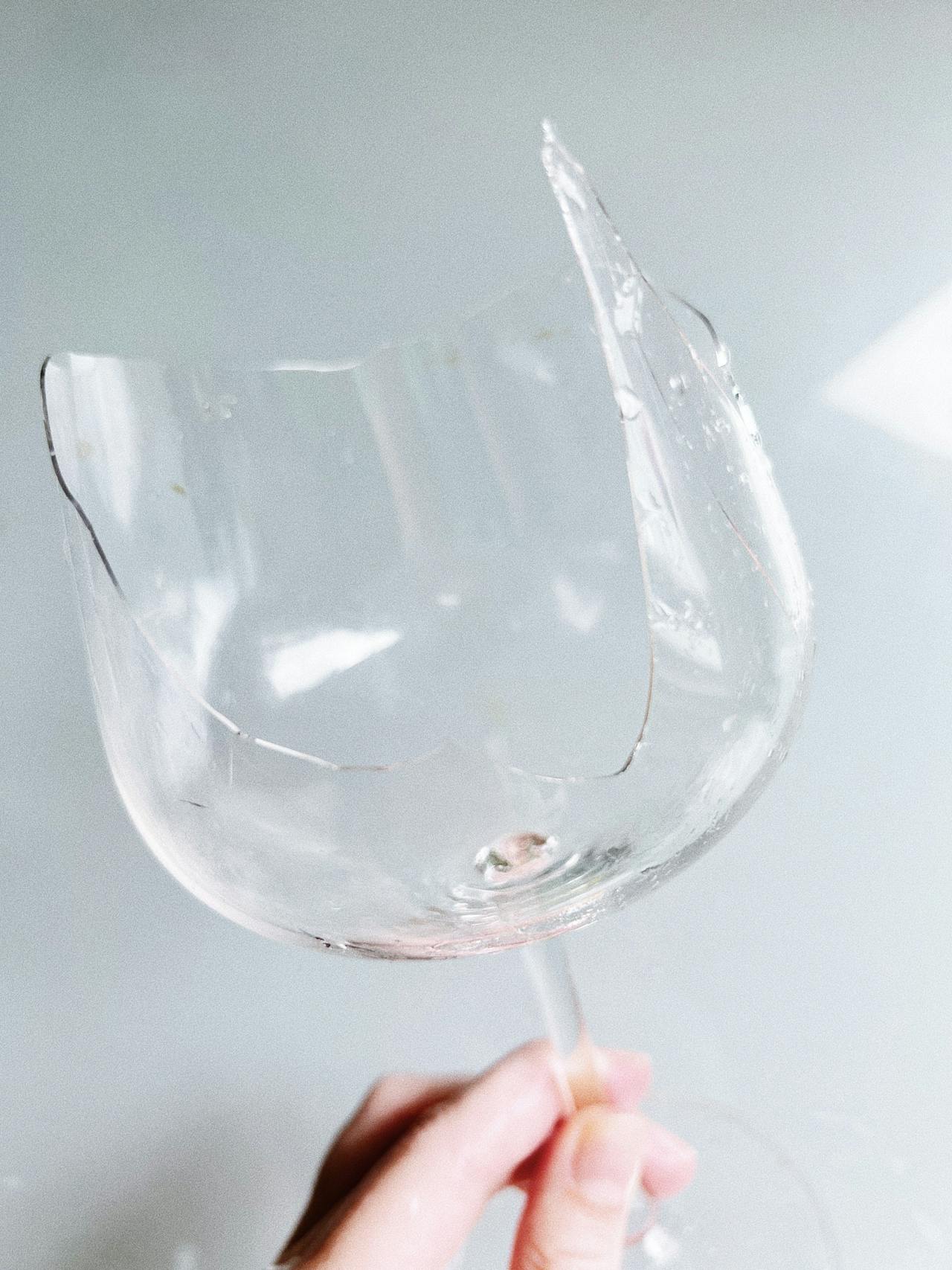
When the first glass broke during our very first sit in Bochum in June 2023, I sent the message while still sweeping up the shards. Awkward? Yes. The homeowner responded within an hour saying not to worry about it.
The second glass broke during our tenth sit in Switzerland. Same 30-minute rule. Same response.
The knife was almost funny. I was cutting cheese with a knife from a basic €50 block set and the plastic handle snapped. Photo, message, 30 minutes. The homeowner replied that his wife goes through a pack of glasses every six months, so a broken knife was nothing.
Speed demonstrates honesty. Honesty builds trust. Trust generates return invitations and five-star reviews. All three of those sits resulted in return invitations.
Understanding Negligence: The Legal Threshold
The word "negligence" appears in most platform terms and insurance documents, but it has a specific legal meaning that most sitters do not fully understand. The distinction matters because it determines what you are actually liable for.
Ordinary Negligence is failing to take reasonable care. Forgetting to close a window before a storm, breaking a glass while washing dishes, accidentally knocking a vase off a shelf. These are accidents that happen to careful, responsible people. In most jurisdictions, sitters are liable for ordinary negligence. The bar for proving it is modest, and platform cover plans are designed to address this.
Gross Negligence is a significantly higher bar: reckless disregard for obvious risk. Leaving a candle burning unattended while going out to dinner. Ignoring a warning sign on an appliance and using it anyway. Leaving a gas burner on while sleeping. Gross negligence can result in personal liability beyond what any platform cover plan will protect, and in some cases criminal charges if animals are endangered.
Why this matters for sitters: Most damage that occurs during normal house sitting (a broken plate, a malfunctioning appliance, a scuffed floor) falls well below the gross negligence threshold. You are not personally liable for accidents that happen despite reasonable care. Understanding this distinction helps you stay calm and respond proportionately rather than over-panicking about minor incidents.
Your own insurance may cover you abroad: Many sitters do not realise that their personal liability insurance from their home country (often included in a Renter's or Homeowner's policy) can follow them internationally. If you hold such a policy, check whether it includes "worldwide liability" coverage. This can act as a secondary layer of protection beyond whatever the platform provides, and may cover situations where the platform's cover plan has a deductible or exclusion. It is worth one phone call to your insurer before your first sit.
The Timestamped Video Walkthrough: Your Legal Shield
The single most underused protection in house sitting is a thorough video walkthrough of the property taken within the first hour of arrival. Most sitters skip it. It is the most important thing you can do.
Here is why: if a homeowner claims you scratched an expensive table, cracked a tile, or damaged a wall, a timestamped video taken on Day 1 that shows those scratches already existed is an ironclad legal defence. Without it, it is your word against theirs.
How to do it right:
Walk through every room with your phone recording and your narration running. Our photo documentation guide covers the exact workflow including which rooms matter most. Describe what you are filming: "Living room, Tuesday the 10th, checking in. Here is the coffee table: there is an existing scratch on the left corner. Kitchen benchtop has a chip near the tap. Rug in the hallway has a stain near the door." Speak clearly and include the date verbally in addition to the phone's timestamp.
Pay particular attention to:
Expensive furniture (scratches, chips, watermarks)
Floors and tiles (existing cracks, chips, stains)
Appliances (pre-existing dents, malfunctions, wear)
Outdoor furniture and equipment
The car if you are asked to use one
Store the video somewhere you can retrieve it easily: your camera roll, a cloud folder, even WhatsApp or email as a forwarded message to yourself provides a timestamped record.
This takes fifteen minutes. It has protected sitters from being blamed for pre-existing damage that homeowners noticed only after the sit ended. The house sitting fees guide explains what each THS membership tier actually includes. It is not about distrust. It is about clarity for both parties. Some sitters send the video to the homeowner at check-in as a matter of course, which is an excellent practice: it signals thoroughness and creates a shared record.
Do the same thing when you leave.
On our last sit in Kefalonia, the owners were not returning before we left. A new sitter was coming in directly after us. We had no in-person handover with the homeowner and no overlap with the next sitter. There was no one to witness the condition we left the property in.
Before we walked out, I did a full video walkthrough of the house: every room, showing how we had cleaned it, the state of the furniture, the kitchen, the appliances, the outdoor spaces. I sent it to the owner via WhatsApp.
The reason was straightforward: if the next sitter broke something during their sit, there was no way anyone could attribute it to us. Our timestamped departure video showed exactly what condition we handed the property over in.
This scenario is more common than people realise. Back-to-back sits, remote handovers, owners who are not present at changeover: any of these situations remove the natural witness of a face-to-face goodbye. A two-minute video on your way out closes that gap completely.
The arrival video protects you from being blamed for pre-existing damage. The departure video protects you from being blamed for whatever happens after you leave. Both take minutes. Neither requires permission from anyone. Both are worth doing every time.
The Coffee Machine Panic: When Equipment Fails
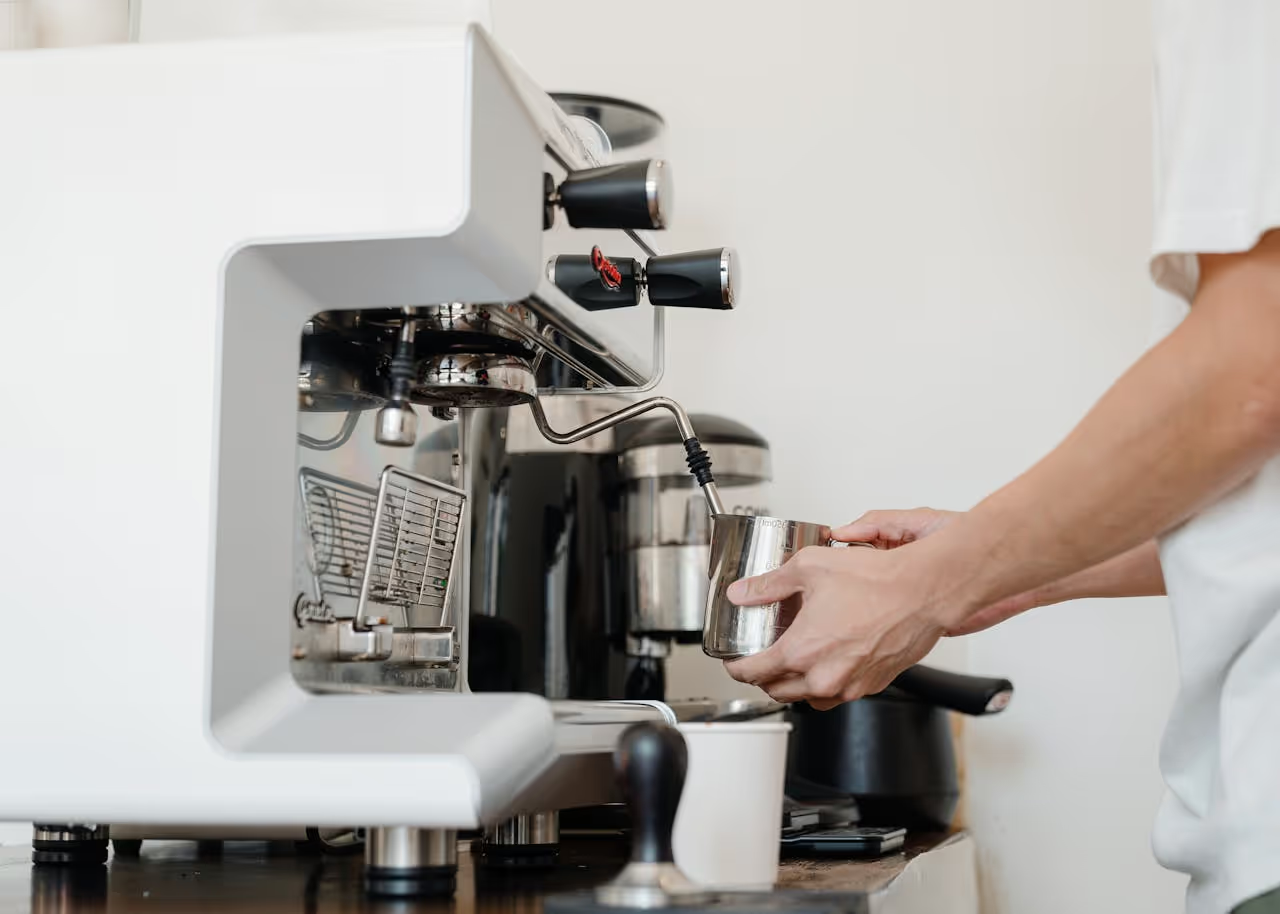
On day two of our Swiss chalet sit, I went to make coffee and the €1,500 machine started grinding loudly then barely produced anything. (Whether platform coverage applies in situations like this is more nuanced than most guides explain. Our insurance subscriptions guide covers exactly what THS does and does not cover.) I checked the grinder, looked in the chute, but coffee was not coming through.
This felt different from a broken glass. This was expensive equipment, and I was the last person to use it.
We sent the WhatsApp message. The owner was still in the area and drove over. Together we pulled the machine apart, used a vacuum and high-pressure air to clear a clog. The coffee beans had gotten too moist and blocked the mechanism. Once cleared, the machine worked perfectly for the rest of the month.
Equipment failures often are not your fault. But hiding them always is.
Our most dramatic incident was Kefalonia. The house had a solar heater with an electric boiler backup. The owners gave us clear instructions: flip specific switches on the fuse board. We followed those instructions exactly. One hour later, all electricity cut out. I checked the fuses. One had melted completely and damaged two others.
We sent photos immediately via WhatsApp. The owners arranged an electrician who replaced three fuses and explained that the house could not run the heater and boiler simultaneously without overloading the system. We adjusted the routine for the rest of the sit.
This was not our fault. We followed instructions. But imagine if we had not reported it and the owner returned to find melted fuses and no explanation.
Damage vs. Malfunction vs. Wear and Tear
Understanding the category of what happened matters both for how you communicate and for what you are actually liable for.
Damage you caused: Breaking a glass, cracking a plate, spilling wine on a rug, scratching furniture while moving it. These are accidents that happen to responsible people. Report immediately, offer to cover cost of replacement.
Equipment malfunction: Coffee machine clogging, dishwasher stopping mid-cycle, fuse overloading, washing machine leaking. These often reveal pre-existing issues. Report immediately, but describe it as a malfunction rather than damage you caused. The distinction matters for the homeowner's insurance claim.
Wear and tear: This is the category most sitters overlook entirely, and it is important because legally, a sitter is not responsible for it. A washing machine motor that burns out after twelve years of use is not the sitter's fault. A refrigerator seal that fails, a doorknob that strips, a shower head that stops producing pressure. These are the normal deterioration of ageing appliances and fixtures.
If a dispute arises over whether damage was pre-existing wear or something you caused, the manufacture date on the appliance is often relevant. An appliance from 2008 that fails is unlikely to be a sitter's liability. A brand-new appliance that stops working the week you arrived is worth investigating further. The manufacture date is usually on a sticker inside the door or on the back.
The practical advice: if something stops working and you did nothing unusual, describe it clearly as a malfunction, document it with video, and let the homeowner and their service provider determine the cause. Do not assume liability for something that was already failing.
The Simple Message Formula That Works
Most people overcomplicate damage reports. Homeowners need three things: what happened, acknowledgment of responsibility (even if it is unclear), and an offer to make it right.
For accidental damage:
"Hi [Name], just wanted to let you know that [item] broke this morning. Really sorry about this. Happy to replace it or reimburse you. Please let me know what works best."
For equipment malfunctions:
"Hi [Name], the [appliance] is not working properly. [Brief description]. I have tried [what you checked] but it is still not functioning. Can you advise on next steps? Happy to contact a repair service if you would like."
Short. Direct. No lengthy explanation. Include a photo when it helps. A photo of a melted fuse or a cracked tile removes ambiguity and shows you are being transparent, not evasive.
The financial exchange caution: Do not offer a specific money amount in the initial message. "I can give you €50" is a problem if it is a €200 vase. More importantly, in some jurisdictions, paying for a repair before the situation is assessed can be treated as an admission of liability, which may complicate an insurance claim later.
The better approach:
"I want to make sure this is resolved fairly. Would you prefer to handle this directly between us, or would you prefer to go through the platform's formal process?"
This keeps both options open, respects the homeowner's preference, and does not inadvertently create a legal record that could complicate a larger claim. If it is a €10 glass, they will say handle it directly and you can offer replacement cost. If it is a €500 appliance, having the formal process open is in everyone's interest.
When to Involve Platform Cover Plans (and What They Actually Cover)
This is the section most house sitting guides get wrong. We read the actual THS plan terms before writing this, and the reality is significantly different from how it is usually described.
THS has two separate plans. They cover different parties.
The Accident & 3rd Party Liability Plan (Sitter-facing)
This is the plan available to Standard and Premium sitters. Here is what it actually covers, taken directly from the plan terms:
"Loss from having to pay damages and costs to others which arise from any single, uncertain event occurring during a Sit if the pet causes: (a) death or injury to a person; or (b) loss or damage to a person's property."
Key words: "if the pet causes." This plan covers you when the homeowner's dog bites a visitor, or the homeowner's cat knocks over a neighbour's laptop. It is third-party liability for pet-caused incidents.
What it does NOT cover:
Damage you personally cause to the homeowner's property (broken glasses, scratched furniture, a malfunctioning appliance you damaged)
Any damage to anything "owned by or the legal responsibility of the Pet Parent." This means the homeowner's own belongings are explicitly excluded
Pets other than cats and dogs
Incidents caused by gross negligence
Pets under 8 weeks of age
Sitter contribution: $50 per claim. (We previously stated approximately $250 in this article; that was incorrect. The actual terms, last updated August 2025, specify a $50 sitter contribution.)
Notification requirement: You must notify THS within 24 hours of a serious incident involving a pet.
Maximum: $1,000,000 per incident.
The bottom line for sitters: If you break the homeowner's coffee machine, this plan will not help you. If the homeowner's dog injures someone, it might. This is liability protection, not property damage cover.
The Home & Contents Plan (Homeowner-facing)
This is the plan that actually covers the homeowner's belongings when a sitter is staying. It is underwritten by GUARDHOG (a real insurer), available to Standard and Premium Pet Parent members, and covers:
Accidental and malicious damage to the homeowner's property during a sit
Theft
Public liability if the sitter has an accident in or around the property
Up to $1,000,000. Requires the homeowner to have their own underlying home insurance in place.
What this means for sitters: If you accidentally damage something valuable in the home, the homeowner's Home & Contents Plan (if they have Standard or Premium membership) is the relevant coverage. Not your plan. The homeowner files the claim, not you. Your obligation is to report the damage immediately and cooperate with any investigation.
The practical advice: When something expensive breaks, contact THS support and ask them to advise on the correct claims process. Because the structure has two separate plans covering two separate parties, the right process depends on what happened and who is claiming. THS emergency contacts:
Live chat via app or website (fastest)
Email: support @trustedhousesitters.com (Subject: Urgent Claim Request)
UK emergency line: +44 808 178 0207
USA emergency line: +1 855 702 2702
Our threshold remains €200 for involving the platform. Below that, handle directly with the homeowner. Above it, contact THS and let them advise on the correct process. You are not the one filing a property damage claim for the homeowner's belongings. They file under their own plan, with their own membership.
Platform Differences: What Each Actually Covers
TrustedHouseSitters: Two Separate Plans
For sitters: The Accident & 3rd Party Liability Plan covers third-party claims when the homeowner's pet causes injury or property damage to someone else. $50 sitter contribution. $1,000,000 maximum. Does not cover damage to the homeowner's belongings.
For homeowners: The Home & Contents Plan (underwritten by GUARDHOG, a real insurer) covers the homeowner's property for accidental damage, theft, and public liability during a sit. Available to Standard and Premium Pet Parent members. Requires the homeowner to have their own home insurance already in place.
This structure means: if you break the homeowner's coffee machine, the relevant plan is the homeowner's Home & Contents Plan, not your liability plan. They file the claim. You cooperate.
Nomador:
Their Home Protection plan (Standard and Premium homeowner members) covers accidental property damage, unexpected cleaning costs, and damage to valuable items up to €50,000 per stay. This is homeowner-facing coverage, similar in structure to THS's GUARDHOG-backed Home & Contents plan. For sitters, Nomador's FAQ points to your own personal home insurance. Nomador does not provide a sitter-facing liability plan. In a damage scenario: the homeowner claims under Nomador Home Protection; the sitter cooperates.
Aussie House Sitters:
No sitter cover plan or insurance. Responsibility for damage to the homeowner's property rests entirely on the homeowner's own home insurance. Sitters on this platform have no platform-provided protection.
HouseSitMatch, HouseCarers, MindMyHouse:
No cover plans or insurance for property damage on either side. A written house sitting agreement is more important on these platforms than on THS or Nomador.
Informal arrangements (Facebook groups): Zero coverage from any party. Fully personally liable. This is the main reason to use established platforms only. The cost difference between a free Facebook arrangement and a THS membership is minor compared to the financial exposure of a major incident with no coverage.
Pet-Caused Damage: Who Pays?
Homeowner responsible:
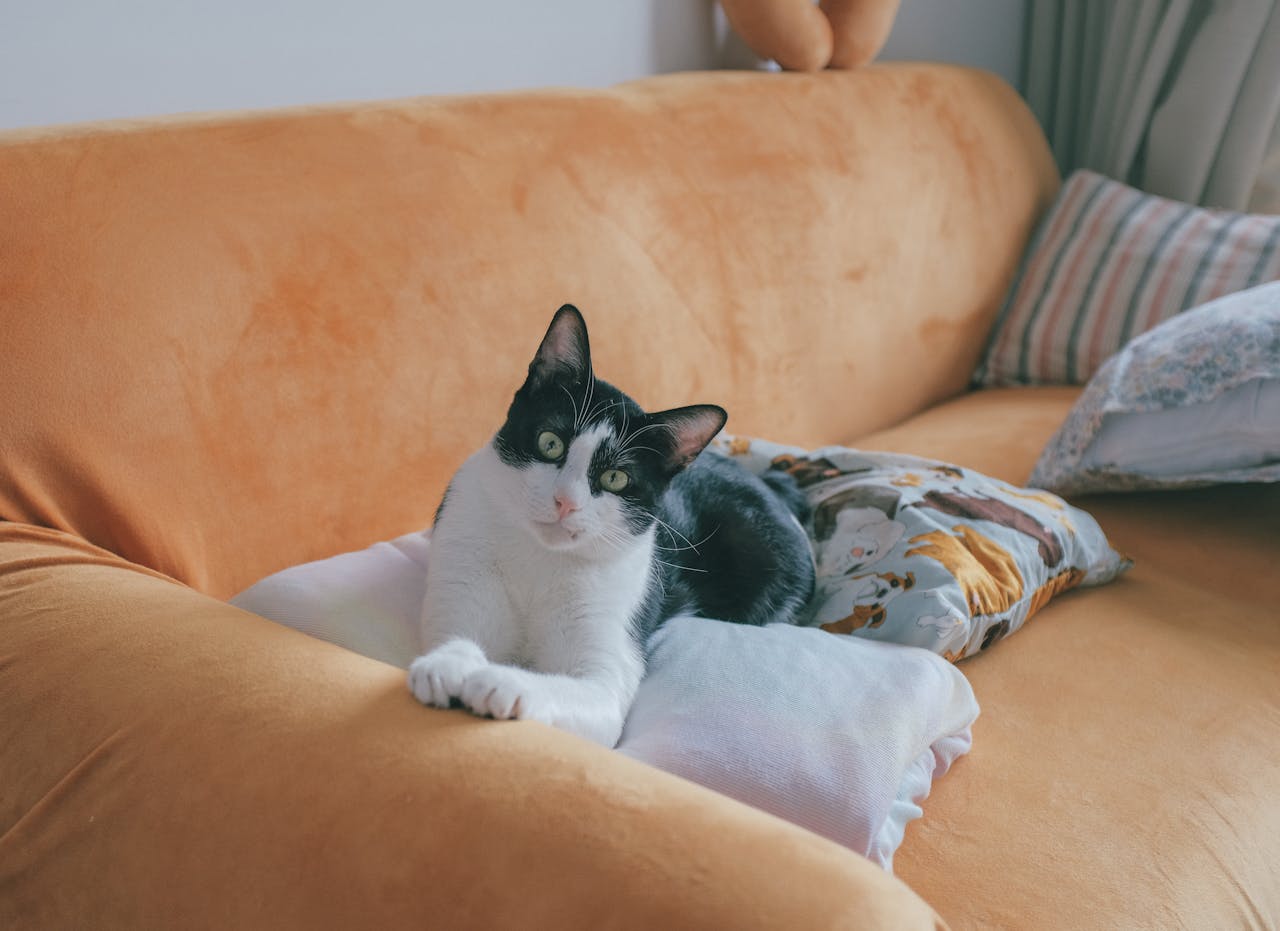
Pet exhibits normal behaviour they have always had (cat that has always scratched furniture, dog that has always chewed)
Damage results from pre-existing habits the owner knew about
Sitter potentially responsible:
You left the pet unsupervised in a space they are normally restricted from
You failed to follow specific pet management instructions
Your negligence (ordinary or gross) directly enabled the damage
The key test: did you follow the instructions in the welcome guide and from the video call? If yes, the damage falls on the homeowner. If you deviated from instructions, your exposure increases.
If a pet starts new behaviour during your sit (chewing something they have not chewed before, scratching a new surface), message the owner immediately with a photo. This documents that it was new behaviour during your watch and removes the risk of being blamed for something that started before you arrived.
Prevention: The First 48 Hours
Most damage that occurs during sits happens in the first two days, before a sitter is familiar with the quirks of the property.
The handover walk-through is your most important information source. Pay attention when the owner explains the coffee machine, the heating system, the gate code, the temperamental second-floor toilet. Take notes if needed. Ask questions about anything that seems complicated or expensive.
During the first 48 hours, treat appliances carefully. Do not force stuck drawers. If something does not respond to normal use, stop and ask. Read the welcome guide before calling the owner with questions it already answers.
After a few days in a property, you will know its quirks and can settle into normal use. Our guide to looking after dogs during a house sit covers the pet-specific routines that reduce the risk of pet-caused incidents. But that initial caution prevents most breakage.
If you encounter an appliance you have never seen before and do not need to use, leave it. During one luxury sit, there were two coffee machines: one extremely specific and expensive, one simple pod machine. The owner asked us to use only the pod machine. We were completely fine with that. No curiosity is worth the risk of breaking something unfamiliar.
The Items We Never Stress About
Some sitters treat every object like a museum piece. This creates unnecessary anxiety and misses the reality of what homeowners actually care about.
Things that break, and nobody is particularly bothered:
Glasses and mugs (everyone breaks these; homeowners expect it)
Plates and bowls, particularly when hand-washing
Basic kitchen utensils
Light bulbs (replace with equivalent, not worth mentioning unless specialty)
Consumables: just replace what you use. Many sitters worry about finishing a bottle of olive oil, using the last of the coffee, or getting through the toilet paper. The answer is simple: replace it. If you use half a bottle of washing-up liquid, buy a new one when you do the weekly shop. If you finish the coffee, get more. This costs €3-5 and removes an entire category of anxiety. The homeowner has not thought about the olive oil. They are thinking about their pet and their property.
The same applies to food the owner left for you to use. If they said "help yourself to anything in the fridge," take them at their word. Replacing any staples you went through is polite, not obligatory. It is an easy way to leave the property better than you found it.
Items that require reasonable care:
Electronics: use normally, do not experiment
Named or clearly expensive appliances: follow the handover instructions
Furniture: use normally, do not stand on chairs, do not move heavy items without knowing how
The homeowner chose to list their home on house sitting platforms knowing that strangers would be living in it. They have accepted the reality of normal wear and use.
The Ghosting Warning
The single worst response to property damage is leaving early without explanation (what the house sitting community calls "ghosting"). "ghosting."
This is not just a reputational catastrophe. Abandoning a sit while animals are in your care can constitute animal endangerment or abandonment under the laws of many countries, carrying potential criminal charges. In the UK, Germany, France, and Australia, failing to provide adequate care for animals under your supervision is a criminal offence. If you leave because you broke something and feel too ashamed to face the conversation, you may be turning a €200 problem into a criminal matter.
The practical reality: homeowners can tell when a sit has been abandoned. Cameras, neighbours, check-in messages that go unanswered. The discovery is immediate. The response is emergency calls, police welfare checks, and legal action in serious cases.
If something goes badly wrong and you feel overwhelmed (a major accident, a pet injury, a serious malfunction), call the platform's emergency line. That is what it exists for. They have handled these situations before. You do not have to manage it alone, and you certainly should not run.
Honesty about a €500 damage incident recovers. Abandonment does not.
What Homeowners Actually Care About
After fifteen-plus sits and many pre-sit video calls, we have a clear picture of what homeowners actually lose sleep over.
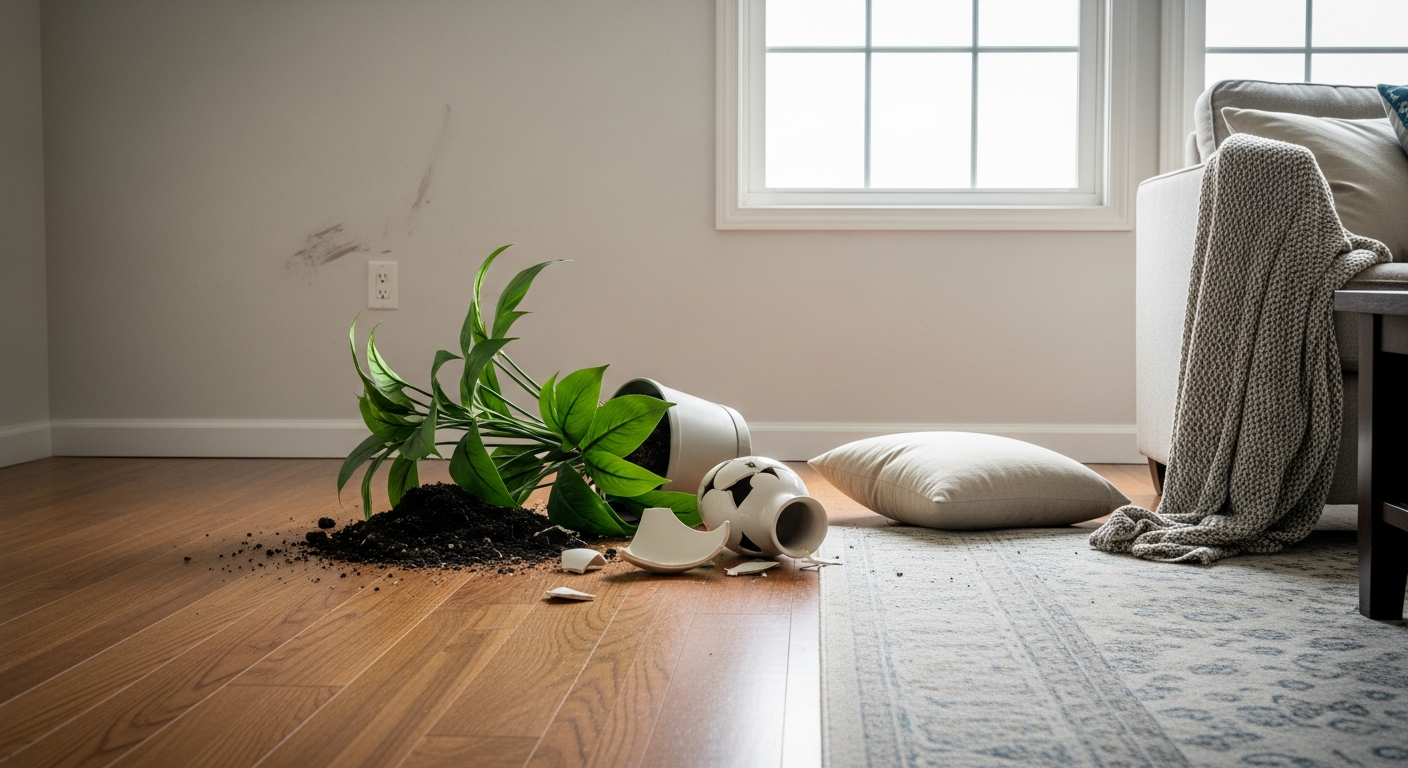
High priority: Pet safety and wellbeing. Property security. Major damage. Communication when something goes wrong.
Low priority: A broken glass. A chipped plate. Normal wear on furniture. Minor scuffs.
The homeowner who joked about his wife breaking glasses every six months understood the real calculation: they are saving hundreds or thousands of euros in boarding costs. A broken €10 glass is a rounding error. What they cannot accept is dishonesty, because dishonesty raises the question of what else is being hidden.
Character is visible in how you handle the things that go wrong, not in how you perform when everything is easy. The sits where something broke and we handled it well became the foundation for lasting relationships and multiple return invitations. That pattern (break something, communicate immediately, get invited back) has repeated across multiple homeowners and multiple countries.
Common Mistakes That Make Everything Worse
Replacing without asking: Buying a replacement glass or plate without mentioning it backfires when the replacement does not match the set, or when the homeowner finds out and wonders why you hid the incident. Always offer, never act unilaterally.
Over-explaining in the initial message: Three sentences is enough. Save the full story for if they ask.
Offering a specific money amount before being asked: Keep the financial resolution open until you know the value. Offer to make it right; let them name the amount or decline.
Not photographing malfunctions: Photos remove ambiguity and protect you from being blamed for pre-existing damage. Take them every time, even if the incident seems minor.
Waiting to see if they notice: They will notice. And when they do, the framing changes from "honest person who had an accident" to "person who tried to hide something." That framing is very hard to recover from.
Ghosting: See the full section above. This is in a different category of severity from the others.
The Return Invitation Test
Both sits where we broke glasses ended in return invitations. We have house sat for those families multiple times, had dinner with them when they returned, and they recommend us to other homeowners in their network.
Why? Because we proved that when things go wrong, we communicate immediately and take responsibility. That is the test. Anyone can house sit when nothing breaks. The homeowners who will become long-term relationships are the ones who saw how you handled the imperfect moments.
The 30 seconds it takes to send a message after breaking a glass is one of the highest-return investments in house sitting.
Konrad & Caro 🐾🚐
DM us @housesittersguide and we answer everyone.

FAQ
What is the first thing I should do if I break something at a house sit?
Take a photo and send a message to the homeowner within 30 minutes. Keep the message short: what broke, that you are sorry, and an offer to replace or reimburse. Do not wait, do not try to hide it, and do not offer a specific money amount until you know the value of the item.
Am I responsible for damage caused by the homeowner's pet?
Generally, homeowners are responsible for damage caused by their pet's normal existing behaviour. You may bear responsibility if you deviated from the owner's instructions. For example, leaving the pet unsupervised in a room they were meant to be kept out of. If a pet starts a new destructive behaviour during your sit, document it and report it immediately so the timeline is clear.
What is the THS cover plan deductible and why does it matter?
THS has two separate plans. The Sitter's Accident & 3rd Party Liability Plan has a $50 sitter contribution per claim and covers third-party claims when the homeowner's pet causes injury or damage to someone else. It does not cover damage to the homeowner's belongings. For that, the homeowner's Home & Contents Plan (underwritten by GUARDHOG, available to Standard and Premium Pet Parent members) is the relevant coverage. The homeowner files that claim, not the sitter. Your obligation is to report damage immediately and cooperate with any investigation process.
Does Nomador actually have insurance?
Nomador's Home Protection plan (Standard and Premium homeowner members) covers accidental property damage, unexpected cleaning costs, and damage to valuable items up to €50,000 per stay. This is homeowner-facing coverage. It protects the homeowner's property during a sit, not the sitter. For sitters, Nomador's FAQ directs you to your own personal home insurance. In a damage scenario on Nomador, the process is the same as THS: the homeowner initiates the claim, the sitter reports the damage and cooperates
What if the appliance that broke is very old? Am I still liable?
Not necessarily. Normal wear and tear, including an appliance that fails due to age, is not a sitter's responsibility. If a dispute arises, the appliance's manufacture date is often relevant: an ageing machine that finally fails during a sit is different from a new appliance that was damaged by misuse. If something stops working and you did nothing unusual, describe it as a malfunction, document it thoroughly, and let the homeowner and their service provider determine the cause.
Can offering to pay for damage hurt me legally?
In some jurisdictions, paying for a repair before the situation is formally assessed can be treated as an admission of liability, which may complicate an insurance claim. The safer approach is: "I want to make sure this is resolved fairly. Would you prefer to handle this directly, or go through the platform's formal process?" This keeps both options open without creating a premature legal record. If a dispute does escalate, our THS conflict resolution guide covers how the platform handles formal complaints between sitters and homeowners.
What happens if I ghost the sit after something goes wrong?
Ghosting (leaving without explanation while animals are in your care) can constitute animal abandonment or endangerment under the laws of many countries, including the UK, Germany, France, and Australia. Beyond platform bans and permanent reputation damage, this can carry criminal liability. If you feel overwhelmed by a difficult situation, call the platform emergency line. That is what it is there for. Understanding the difference between house sitting and unpaid labor also helps clarify what you are and are not legally responsible for during a sit.
Related Guides
Before and During the Sit
Can House Sitters Have Visitors: How unauthorised visitors can void the homeowner's insurance entirely
What Not To Do When House Sitting: The full list of cardinal sins, with property damage as one chapter
What Do House Sitters Usually Do: Responsibilities and what is within normal scope
Simplify Taking Photos During the House Sit: The timestamped documentation approach applied to the whole sit
Insurance and Platform Mechanics
Insurance Coverage with House Sitters: Full breakdown of what THS, Nomador, and others actually cover
Subscription Services for House Sitting That Include Insurance: Platform-by-platform insurance comparison
House Sitting Fees: What You Actually Pay: Platform cost breakdown including what cover plan tiers include
TrustedHouseSitters Conflict Resolution: When a damage dispute escalates and how to navigate it
Pets
How to Look After Dogs During a House Sit: Pet care routines that reduce the risk of pet-caused damage incidents
Difference Between House Sitting and Unpaid Labor: Understanding what you are and are not responsible for during a sit