

Home > Blog > Can a Vegan House Sitter Accept a Sit That Requires Raw Meat Feeding?
Quick Facts
| Quick Facts | |
|---|---|
| Should a vegan sitter feel obligated to accept a raw-feeding sit? | No. This is a genuine incompatibility for some sitters, not something either side should have to push through |
| Are all vegans/vegetarians uncomfortable handling meat? | No. For many it's a dietary choice with no physical aversion attached, they can handle it without issue. For others, it's a genuine physical reaction. It depends entirely on the individual |
| Whose job is it to raise this? | Both. Homeowners should disclose it briefly in the listing; sitters should ask directly if it isn't mentioned |
| Should the homeowner change the pet's diet to accommodate a sitter? | No. An established diet, usually worked out with a vet, shouldn't be altered for a sitter's comfort |
| Can a sitter change a pet's diet toward vegan or vegetarian during a sit? | No. This is a genuine welfare red line, not a comfort question, especially for cats, who are obligate carnivores |
| Beyond meat: what else falls in this category? | Live feed for reptiles is the other common example of the same underlying issue |
| Is raw feeding actually better for pets? | Genuinely debated among vets. Some support it, others warn of bacterial and nutritional risks. Not a settled question |
| Our own experience | Raw beef mince for a cat in Portugal, raw diet for a Swiss Shepherd, both with visibly good coats and energy |
A vegan or vegetarian sitter and a raw-feeding sit isn't automatically a mismatch, it depends entirely on the person. Not eating meat and being unable to handle it are two different things: some vegans and vegetarians have no issue at all preparing raw meat for a pet, others genuinely can't. What's never acceptable, regardless of which kind of vegan or vegetarian a sitter is, is trying to shift a pet's established diet toward something plant-based during a sit. That's not a comfort question, it's a welfare one, especially for cats, who are obligate carnivores. The fair approach doesn't require either side to compromise: homeowners disclose feeding requirements upfront, sitters who genuinely can't handle it self-select out before applying, and a pet's diet, once set by its owner and often a vet, stays exactly as it is no matter who's looking after it.
If you are interested in getting into house sitting, our book Travel More for Less puts the whole process in one place: clear, step by step guidance from your first questions to your first confirmed sit, and the reviews that open the door to the next one.
This guide covers where the actual line sits, why it's not really a moral question so much as a compatibility one, and how to handle it cleanly from both sides.
Why I'm Not the Person You'd Expect to Write This
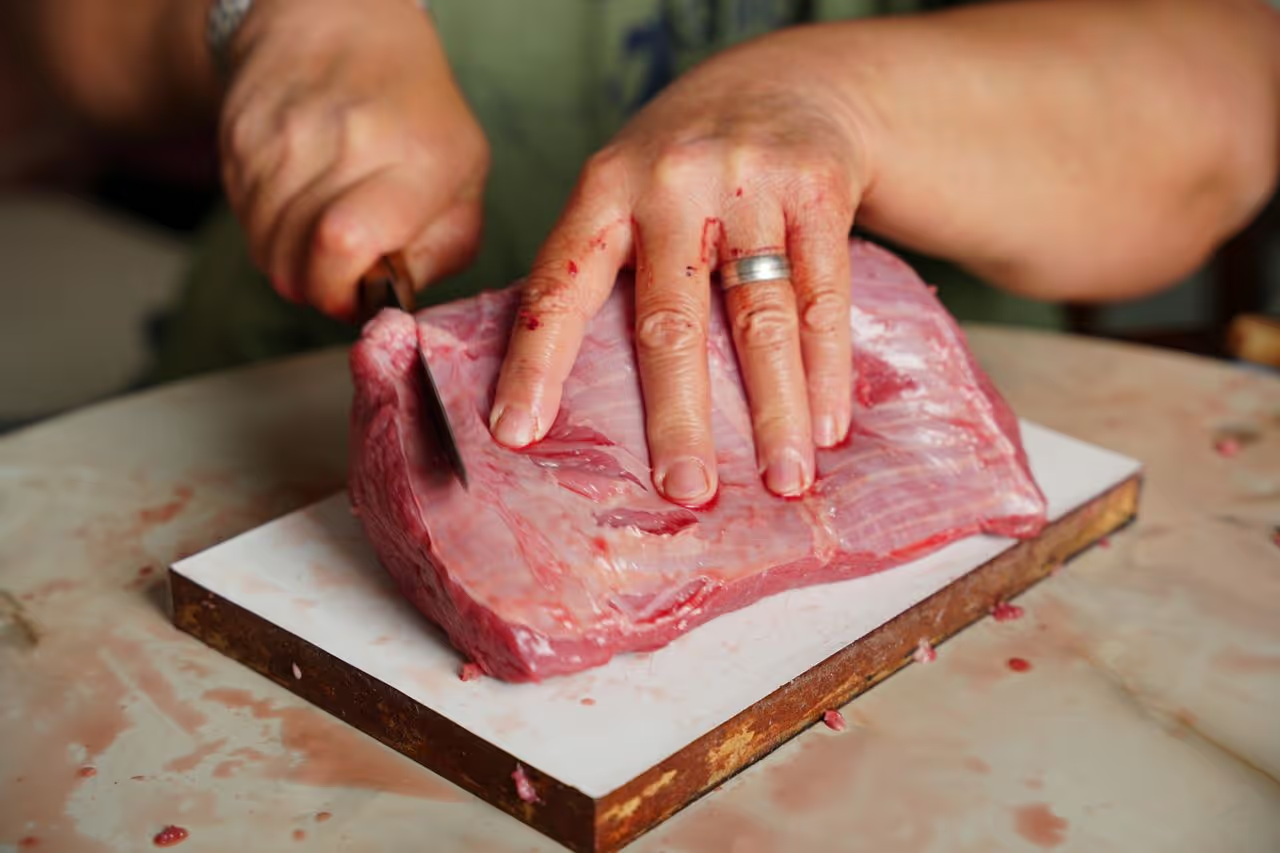
I was vegan for eight years before meeting Caro. It wasn't a phase I dismissed lightly, it was a genuine, sustained commitment. I moved away from it for reasons that had nothing to do with animal welfare and everything to do with what I was actually putting in my body: a lot of vegan food relies on heavily processed substitute ingredients that raised real questions for me, and I became genuinely concerned about the long-term health impact of staying on that path. I now eat meat again, prioritising high-quality sources, grass-fed, Angus, properly raised beef, because I think the nutritional density matters, and I've also come to think a lot of mass-produced food, whether plant-based substitutes or otherwise, involves processes that aren't particularly kind to the planet either.
I'm not bringing this up to relitigate anyone's dietary choices. I'm bringing it up because it means I understand both sides of this question directly: I know what it's like to hold a genuine, values-based conviction about food, and I also know what it's like to look at raw meat in a cat's bowl and feel nothing but a Tuesday chore.
What We've Actually Seen With Raw Feeding
During our current sit in Portugal, the cat gets raw beef mince once a week, defrosted from a small bag we keep in the freezer alongside his usual kibble and wet food. He genuinely lights up the moment he smells it, more than for anything else he eats. He's also, evidently, a capable hunter in his own right, we regularly find partially eaten mice, rats, birds, and even the odd snake on the terrace, so raw meat isn't exactly foreign to his instincts even beyond what we're feeding him.
In Switzerland, we looked after a Swiss Shepherd on a full raw diet, and the dog's coat and general condition were genuinely excellent, a shiny, wet nose and visible energy that stood out even among the well-cared-for dogs we've met on other sits.
A nutritionist we met while traveling, who owned a Malinois herself, told us directly that she considered raw feeding the best option available for a dog's overall health. We want to be careful here, though: raw feeding is a genuinely contested topic among veterinarians. Some support it strongly, others raise real concerns about bacterial contamination (for the pet and for whoever's handling the food) and the risk of nutritional imbalance if a raw diet isn't properly formulated. What we can honestly say is that every raw-fed animal we've personally cared for has looked and behaved excellently. We can't tell you that settles the broader debate, because it doesn't.
Why This Isn't Really an Ethical Question, It's a Compatibility One
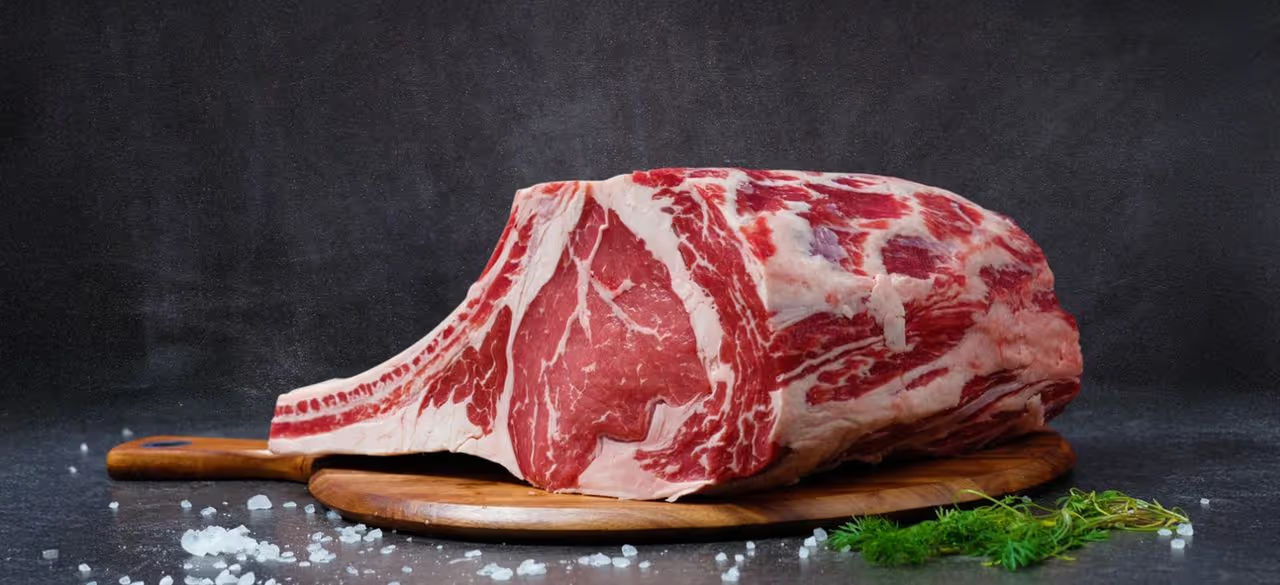
Here's where we've landed after thinking about this properly: if a sitter genuinely can't bring themselves to handle raw meat, or live feed for a reptile, that's not a moral failing on anyone's part. It's simply a mismatch between what a specific sit requires and what a specific sitter can offer, and mismatches like that exist all over house sitting, not just around food.
If you don't feel comfortable with basic feeding duties because they involve handling meat, or live insects or rodents for a reptile, the right move is straightforward: don't apply to sits that require it. Filter for listings where the diet is kibble or wet food only, and be upfront in your profile or your first message if it's relevant, something as simple as "I'm vegan and not comfortable handling raw meat" tells a homeowner immediately whether you're the right fit, without needing to explain or justify the position further.
What we don't think is reasonable is expecting a homeowner to change an established diet to accommodate a sitter. In most cases, that diet was worked out deliberately, often with a vet's input, specifically because it's what the animal needs to thrive. Asking a homeowner to switch a raw-fed dog to kibble for two weeks because a sitter is uncomfortable handling meat puts the animal's actual wellbeing second to the sitter's preference, and that's the wrong trade-off. The fair solution isn't accommodation. It's disclosure early enough that an incompatible match never happens in the first place.
Beyond Meat: Live Feed for Reptiles
Raw meat isn't the only version of this. Reptile owners on live-feed diets, snakes and larger lizards especially, are the other common example of the same underlying issue. Feeding a snake a live mouse or rat is simply part of caring for that animal properly for many species, and it's a genuinely different level of discomfort for some sitters than handling a bag of frozen mince.
The same principle applies exactly as it does with raw meat: this is a real incompatibility for some people, and it's completely reasonable to decline sits involving live feed if it's not something you can do. It's equally reasonable for a homeowner to expect a sitter who does accept the sit to actually carry out this part of the animal's care without flinching through it, since a reptile's feeding schedule isn't something that can simply be paused for two weeks.

What Each Side Should Actually Do
For homeowners: disclose feeding requirements plainly in your listing or early in your first message. You don't need to go into detail, something like "the cat has raw meat weekly alongside kibble" or "the snake requires live feeding" is enough for a sitter to know exactly what they're signing up for. This is a small, low-effort line that prevents a genuine mismatch from becoming an awkward mid-sit conversation.
For sitters: if a listing doesn't mention feeding specifics and you have any dietary or ethical line you're not willing to cross, raise it directly during the pre-sit video call. It's a completely normal, reasonable question, and asking it upfront protects both you and the homeowner from discovering an incompatibility once the sit has already started. Our guide to what to ask a homeowner before you house sit covers this alongside the other practical questions worth raising on that same call.
Have you ever had to navigate a feeding requirement that didn't sit right with you, or turned down a sit because of one? We'd like to hear how you handled it, drop it in the comments below.
The Bottom Line
This isn't really a question of ethics versus pet welfare. It's a straightforward compatibility question, and treating it as one removes almost all the tension from it. Homeowners shouldn't be expected to change an established, often vet-guided diet to suit a sitter's comfort. Sitters shouldn't be expected to override a genuine personal line just to secure a sit. A short, honest disclosure from the homeowner and a direct question from the sitter, ideally both happening before an application is even confirmed, solves this cleanly for almost everyone involved.
Caro and I have completed 20 house sits across 12 countries, driven 19,000km in Australia and 24,000km in our 1998 VW T4, and saved over $26,500 in accommodation costs over three years of house sitting. If you're navigating a feeding requirement that doesn't feel right for you, DM us @housesittersguide, we answer everyone.

Frequently Asked Questions
Should a vegan sitter accept a house sit that requires feeding raw meat?
Only if they're genuinely comfortable doing it. If handling raw meat conflicts with personal values or is simply something a sitter can't bring themselves to do, it's better to filter for sits with kibble or wet food diets rather than accept and struggle through it.
Should a homeowner change their pet's diet to accommodate a sitter?
No. An established diet, especially one worked out with a vet, shouldn't be altered to suit a sitter's personal comfort. The better solution is disclosing the diet upfront so an incompatible match is avoided entirely.
Are all vegan or vegetarian sitters uncomfortable handling raw meat?
No, and this is an important distinction. For many vegans and vegetarians, not eating meat is a dietary choice with no physical aversion attached, they can handle and prepare it without discomfort. For others, it's a genuine physical reaction. Both are real, and it depends entirely on the individual rather than the label.
Would it be acceptable for a sitter to shift a pet toward a vegan or vegetarian diet during a sit?
No. This is different from simply being uncomfortable handling meat, it's a welfare concern rather than a personal-comfort one. Cats especially are obligate carnivores and require animal-based nutrients. A homeowner's established diet, usually set with veterinary guidance, should never be changed by a sitter to suit their own values.
Is raw feeding actually healthier for pets?
This is genuinely debated among veterinarians. Some support raw diets for coat and energy benefits, others raise real concerns about bacterial contamination and nutritional imbalance if not properly formulated. It isn't a settled question, and personal experience with a raw-fed pet doesn't resolve the broader debate.
What if a sit involves live feeding for a reptile rather than raw meat?
The same principle applies. Live feeding is a normal part of caring for some reptile species, and it's completely reasonable for a sitter to decline this kind of sit if they're not comfortable with it, just as it's reasonable for a homeowner to expect a sitter who accepts the sit to carry it out without needing changes made.


Responses
What are your thoughts on this post?