

Home > Blog > Strange Pet Behaviours During a House Sit
Quick Facts
| The hardest thing about unusual behaviour | Deciding whether it is a quirk, a stress response, or a health emergency |
| Our decision hierarchy | Quirk or stress: message the owner. Aggression: message immediately. Health concern: call the THS vet line and message the owner simultaneously |
| Most valuable THS feature | The 24/7 vet helpline on Standard and Premium — |
| Most important welcome guide detail | Existing health conditions, known quirks, and what the pet does specifically when the owner is away |
| Documentation approach | Video everything unusual from day one — not to cause problems but to protect everyone |
| How pets often change when owners leave | Cats especially become different animals — more social, more attached, sometimes anxious |
Most odd behaviour in the first days is adjustment, not illness: clinginess, hiding and night pacing are normal responses to an owner's absence. Document everything from day one, match your response to the severity, and use the TrustedHouseSitters vet helpline on Standard or Premium for genuine health worries.
The first night of our first house sit in Bochum, I accidentally pinched the cat in my sleep. I had no idea I had done it. By the following afternoon the cat was limping, and Caro and I both felt sick with worry.
We caught the cat, checked the paw, found it was swollen, photographed it, messaged the homeowner, and messaged the TrustedHouseSitters vet line simultaneously. The vet concluded it was a bug bite, not an injury. The cat was fine within two days.
That first experience with unexpected pet behaviour set the template for how we have handled every unusual situation since: document it, contact the right people at the right speed, and do not try to diagnose what you cannot diagnose.
If you are interested in getting into house sitting, our book Travel More for Less puts the whole process in one place: clear, step by step guidance from your first questions to your first confirmed sit, and the reviews that open the door to the next one.
This article covers how to read pet behaviour when you are new to an animal, what actually warrants a call versus a message versus an emergency vet visit, and why the THS vet helpline is the most underappreciated feature on the platform.
Use our 25% discount when joining. See our pet emergency guide for the full escalation process.
Why Pets Behave Differently When Owners Are Away
Before interpreting any unusual behaviour, it helps to understand the baseline shift that happens the moment an owner leaves. Pets are not indifferent to the absence of the people they are bonded to. The change in routine, the arrival of unfamiliar people, and the loss of their primary attachment figures all create a period of adjustment that produces behaviour a homeowner may never see.
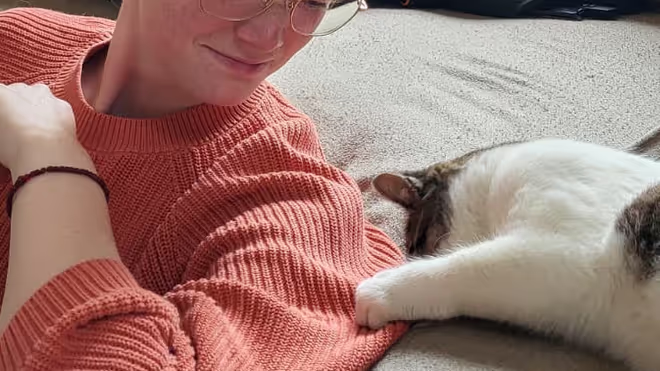
Cats are the most dramatic example of this. In Manosque, France, there was a small cat named Gabby who the homeowners described as mostly outdoor and fairly independent. From the moment the family left, Gabby became a completely different animal.
She followed me from room to room. When I sat on the sofa she would curl up directly behind my neck. She spent the entire sit as a house cat, indoors and attached. The homeowners were truly surprised when we told them.
They had never seen her behave that way. She was not ill. She was not distressed. She had simply found her new source of warmth and comfort and was using it.
Dogs go through their own version of this. The separation anxiety dog in Manosque would wake in the night, pace beside the bed, stand completely still facing the wall and listen to nothing, and bark when we left for even a short trip to the shops.
When we were present she was calm and close. These were stress responses to the owner's absence, not health symptoms. The Manosque homeowners confirmed this pattern was normal for her when they travelled.
Understanding this baseline shift prevents two mistakes: assuming unusual behaviour is automatically a health problem, and assuming that because you cannot find it in the welcome guide it is not something the owner knows about. Many pets have sit-specific behaviours that their owners have never directly observed.
The Dog in the Dark: When Behaviour Is Genuinely Alarming
In our first Portugal sit, we were not told about the dog's resource guarding behaviour before arriving. The first night, when I tried to get into the bed, the dog lunged at me. Not a warning growl. A lunge. That was the last night the dog spent in the bedroom.
What followed was more unsettling in a different way. When the dog barked through the night and I got up to address it, the dog would sit completely still and stare at me without breaking eye contact. Not aggression in the conventional sense. Something quieter and harder to read. We contacted a trainer who told us the unbroken stare was a warning sign worth taking seriously and gave us a framework for how to proceed.
We stayed. We ignored the barking for two nights, played white noise throughout, and removed ourselves from situations where the guarding could trigger. By day four the dog was noticeably calmer. Almost a different animal. The trainer's assessment was that the dog may have been exhausted and reactive. Once that pattern broke, the underlying temperament came through.
When we messaged the homeowner about the lunging and the staring, she mentioned on a call that she sometimes put pillows between herself and the dog at night because he could get snappy.
She had not mentioned this in the listing or the video call. This is the information that would have prepared us. It is the kind of detail that belongs explicitly in a welcome guide and in the pre-sit video call. Not discovered by a sitter in the dark on the first night.

The Decision Hierarchy: How Fast Should You Act?
Not every unusual behaviour needs immediate action. The speed and channel of response should match the severity and nature of what you are observing.
Quirk or stress response: message the owner at a normal hour. When we told the French homeowners about the anxious dog following us everywhere, we framed it as a joke about having a shadow. The owners confirmed it and hoped we were okay with it. The tone matched the situation: slightly unusual, not distressing, no action required beyond acknowledgment. Our guide on living with a separation anxiety dog covers managing this kind of sit.
Aggression or safety concern: message the owner immediately. When the Portugal dog lunged, we messaged right away. We did not wait to see if it happened again. We sent a video. We set up a paper trail. Not to get anyone in trouble. To document what was happening in case it escalated to a bite or a more serious incident. If something goes wrong during a sit, having a clear documented timeline protects everyone. Our guide on dog bites during a house sit covers the escalation process.
Health concern: contact the THS vet helpline and the homeowner simultaneously. In Bochum with the swollen paw, we did both at once. We had not yet reached the homeowner when the vet had already given us a likely diagnosis and a plan. By the time we spoke to the owner, we could tell them what we had done rather than just that something was wrong. That framing. "we noticed X, we called the vet, here is what they said". Is much more reassuring than "we noticed X and do not know what to do."
Emergency: go directly to a vet without waiting for anyone. Some situations do not allow for messages and calls. Straining to urinate without producing anything. Laboured breathing. Collapse. Pale gums. Sudden bloating of the abdomen. These are emergencies that require veterinary attention immediately. Document as you go but do not let documentation delay treatment.
The THS Vet Helpline: The Most Valuable Feature on the Platform
I want to be direct about this: the 24/7 vet helpline on TrustedHouseSitters Standard and Premium plans is the single most valuable feature on the platform for anyone who does not have extensive animal experience. More valuable than any other feature for the specific situation of being alone with an unfamiliar pet and something going wrong.
The Bochum swollen paw could have been many things. Injury, infection, allergic reaction, bite. At midnight, on a first sit, with a cat you have known for three days, the anxiety of not knowing is significant. The vet helpline removed that anxiety within a 20-minute call. The assessment was clear, the plan was simple, and the worry was proportionate rather than spiralling.
Most of the time you will not need it. The vet line sits in the background of the whole sit and is never used. But when you need it, it is cheaper, faster, and less stressful than driving to an emergency vet clinic and infinitely better than guessing. The THS plans guide explains the cost difference between Basic (no vet line) and Standard (includes it). For anyone sitting animals they are not deeply familiar with, Standard is worth the difference for this feature alone.
Documenting Behaviour: Do It From Day One
When the Portugal dog showed resource guarding behaviour, we took video immediately and sent it to THS support. Not to escalate or cause problems. To create a record.
House sitting is overwhelmingly positive. The vast majority of sits produce no conflict, no incidents, and no need for documentation beyond the natural communication between sitter and owner. But the minority of situations that do go wrong go significantly worse without a paper trail.
We do a walkthrough video at the start and end of every sit. A brief walk through the home showing its condition, the animals, and anything notable. This protects both parties. If a homeowner claims damage that was there before the sit, the video shows it. If an animal has a health issue that developed during the sit, the video documents when it started.
This habit comes from experience that goes beyond house sitting. When you have had to reconstruct a timeline from a year and a half of old messages, photographs, and emails because a situation required formal documentation, you understand in a visceral way why contemporaneous records matter. Keep them. Not because you expect to need them. Because if you ever do need them, having them is the difference between a resolvable situation and an unresolvable one. Our legal issues guide covers the formal side of this.
Reading the Signs: A Quick Reference
The research identifies the most common behavioural signals worth knowing before any sit. These are not a substitute for vet assessment but they help calibrate when to monitor and when to act.
| Category | Dogs — behaviours and possible concerns | Cats — behaviours and possible concerns |
|---|---|---|
| Behavioural and emotional changes | Sudden aggression: may signal pain, fear, or a neurological issue. Increased clinginess or withdrawal: a normally independent dog becoming velcro, or a social one hiding, can indicate illness or anxiety. Lethargy and sleep changes: sleeping more than usual, appearing listless, or refusing to play can indicate anything from infection to heart disease. Pacing and restlessness: can be a response to pain, anxiety, or a serious condition such as bloat. Excessive licking: often a sign of gastrointestinal discomfort or joint pain. | Hiding: a key sign a cat is unwell or highly stressed. Personality shifts: a friendly cat becoming grouchy or irritable can indicate underlying pain. Cognitive issues in older cats: staring blankly at walls, seeming disoriented, or wandering at night may point to cognitive dysfunction. |
| Vocalisations and social cues | Unusual whining or howling: can be a direct expression of pain, anxiety, or discomfort. Hunched posture with tail between legs and avoiding eye contact: a clear indicator of pain or distress. | Increased yowling, especially during physical interaction: can indicate pain. Prolonged vacant staring: may be a sign of sensory decline or a neurological issue. |
| Bathroom habits | House soiling: urinating or defecating indoors can stem from stress, a urinary tract infection, or other medical issues. Straining to urinate: a red-flag emergency, especially in male cats, suggesting a potentially life-threatening blockage. Changes in stool: diarrhoea, very dry stools, or blood in the stool persisting more than 48 hours requires a vet. | Litter box avoidance: a key sign of urinary tract issues, arthritis, or high stress. Frequent attempts to urinate producing little or nothing: an emergency. |
| Posture and movement | Limping or stiffness: an obvious sign of injury or joint pain. Hunched posture: often indicates abdominal pain or general discomfort. Reluctance to jump on furniture or climb stairs: may point to joint pain, especially in older dogs. | Hunched or guarded resting position: a common sign of illness. Lying down with tail tightly wrapped around the body: can signal illness or pain. |
| Grooming and appearance | Hair loss or skin issues: excessive scratching, rubbing, or patches of missing fur could suggest allergies or parasites. Runny nose or eyes: may indicate a respiratory infection. Red or swollen gums: indicates dental disease, which is painful. | Over-grooming of a specific area such as a joint: a self-soothing behaviour for pain. Under-grooming: a cat that stops grooming and looks unkempt may be too ill or in too much pain to maintain it. |
| Eating and drinking | Appetite loss: refusing food for more than 24 hours is a concerning sign. Excessive thirst and urination: drinking and urinating significantly more than usual can indicate diabetes or kidney disease. | Sudden decrease or increase in food intake can signal issues from dental pain to hyperthyroidism. |
| Repetitive behaviours | Constant licking, tail chasing, or frantic fly-snapping performed in a fixed or repetitive manner may indicate compulsive disorders rooted in anxiety or gastrointestinal problems. | Sudden frantic running, wide pupils, and intense self-grooming especially at night could indicate Feline Hyperesthesia Syndrome. |
Dogs:
Sudden aggression or lunging in a dog that was described as gentle is an immediate contact-the-owner situation. It may indicate pain, fear, or a management issue that the welcome guide did not cover.
Lethargy, refusing food for more than 24 hours, or dramatic changes in sleep patterns warrant a message to the owner and potentially the vet line. Dogs routinely sleep more than usual in the adjustment period after an owner leaves, but profound lethargy with appetite loss is different. Temperature is one of the first things a vet will ask about, and the normal range differs between cats and dogs, which is why we keep it written down rather than guessing.
Pacing and restlessness at night, especially in older dogs, can be a sign of pain, cognitive decline, or anxiety. The Manosque dog's night-time pacing was anxiety. Confirm with the owner what their dog's normal sleep pattern looks like.
Straining to urinate, laboured breathing, pale gums, or sudden bloating of the abdomen are emergencies. Do not wait for a reply from the owner. Go directly to the nearest vet.
Cats:
Hiding is the cat's primary response to anything being wrong. Illness, stress, or the absence of their person. A degree of hiding when an owner first leaves is normal. Extended hiding combined with not eating, not using the litter tray, or obvious physical changes is a concern.
Not using the litter tray is one of the most reliable signals that something is wrong. Urinary infection, arthritis, or extreme stress. A cat straining at the litter tray repeatedly without producing urine is an emergency, particularly in male cats. This is a life-threatening situation.
An unkempt coat on a cat that normally grooms itself indicates the cat is too unwell or in too much pain to maintain it. This is not a minor signal.
Increased yowling, especially from an older cat or during physical interaction, can indicate pain. A cat that was described as quiet and is now vocalising frequently at night warrants contact with the owner.
The Most Important Thing Missing From Most Welcome Guides
The piece of information that would have made the most difference across our sits is simple: known conditions and known quirks, specifically described.
In France, the homeowners mentioned during the pre-sit call that the anxious dog had experienced a fit approximately once a year. They had seen a vet. It was documented and managed. Their instruction was simple: if it happens, stay with the dog, let it pass, do not try to intervene physically. That instruction. Delivered calmly and in advance. Meant that if the fit had occurred during our sit, we would have known exactly what to do and would not have needed to make frantic calls at two in the morning. In the end the fit did not occur. But knowing about it was the difference between informed sitters and panicking ones.
What homeowners should put in the welcome guide: the pet's name and any nicknames used, existing health conditions with current medications and dosing, known behavioural quirks that might seem alarming out of context, what the pet normally does when the owner is away if they know it from previous sits or from conversations with family members, and the specific vet contact and whether the vet treats the animal type. Our full welcome guide article covers what a well-prepared guide looks like. Our giving pet medication guide covers the medication documentation side.
Conclusion
Twenty sits in, the pattern is consistent: the pets that seem alarming on day one are usually adjusting. The behaviours that seem charming on day three are usually the pet's authentic character emerging once the stress subsides. The situations that require genuine concern look different from both of those. They involve physical changes, elimination changes, or escalating distress that does not resolve.
Trust your instincts. If something feels wrong, it probably warrants attention. Document what you observe. Contact the right person at the right speed. And if you are ever in genuine doubt about a health concern in the middle of the night with no owner available, the THS vet helpline exists precisely for that moment. Use it. If the behaviour is retching or gagging rather than a change in mood, that is a different problem entirely, and why dogs rarely get the hairballs people assume explains why the same sign can still mean something urgent. For the physical side, normal temperature and vital signs is the reference across dogs, cats and the farm animals.
Join TrustedHouseSitters with 25% off. Read our house sitting with a terminally ill pet guide and our dog bite guide for the more serious end of pet health situations during a sit.
DM us @housesittersguide on Instagram. We answer everyone.

Frequently Asked Questions
How do I know if a pet's unusual behaviour is a health emergency?
The clearest emergency signals are straining to urinate without producing anything, laboured breathing, pale gums, sudden collapse, or rapid abdominal bloating. These require immediate veterinary attention. Do not wait for the owner to reply. For less acute concerns, use the TrustedHouseSitters 24/7 vet helpline (Standard and Premium plans) as your first escalation point. Our pet emergency guide covers the full process.
Should I contact the homeowner about every unusual thing a pet does?
No. Calibrate the response to the severity. Charming or mildly unusual quirks warrant a light message or a mention at the end of a check-in. Stress responses like clinginess or hiding warrant a message at a reasonable hour. Aggression, safety concerns, or health changes warrant immediate contact. When in genuine doubt, always contact. A homeowner will never be upset that you asked a question. They may be upset that you did not.
What should I do if a pet shows aggression I was not warned about?
Document it immediately with video, message the homeowner, and set a clear boundary about your safety. A sitter is not obligated to manage undisclosed aggression as part of the normal sit arrangement. If the situation is not resolvable, contact TrustedHouseSitters support. Our dog bite guide and homeowner misrepresentation guide cover what to do when a pet's behaviour was not disclosed.
Why do cats behave so differently when their owners are away?
Cats are strongly bonded to their home environment and to their primary people. The absence of the owner disrupts both. Some cats become more withdrawn and hide. Others, like Gabby in Lullin, redirect their attachment entirely toward the sitter and become unexpectedly sociable. Neither is a health concern. Both are normal responses to a changed social environment.


Responses
What are your thoughts on this post?