

Home > Blog > Your Pet Won't Eat: What Sitters and Homeowners Should Actually Do
Quick Facts
| Quick Facts | |
|---|---|
| Have we had a pet refuse to eat entirely? | No, not once across 20 sits, though we've dealt with fussiness and one monitoring concern |
| First 24 hours | Monitor. Try small adjustments. Don't panic yet |
| After 24 hours with no food eaten | Contact the homeowner and consider the THS vet line if you're on Standard or Premium |
| A quick fix worth trying with fussy cats | Rinse off unfamiliar sauce or gravy from wet food, some cats reject it purely on texture or smell |
| A quick fix worth trying with dogs | A small amount of butter, coconut oil, or a sardine on top, check with the homeowner first |
| Genuinely concerning signs beyond appetite | No bowel movements for multiple days, hiding combined with not eating, any other visible symptoms |
We've never had a pet outright refuse to eat across 20 sits, but we've dealt with fussiness, one genuine monitoring concern, and enough smaller moments to know the difference between "this animal is being picky" and "something's actually wrong." The framework we've settled on is simple: monitor closely for the first 24 hours, try a few small, homeowner-approved adjustments, and escalate clearly if nothing's changed by the next day. This isn't a guessing game, it's a sequence, and following it removes most of the stress from what's actually a fairly common situation. If you want the numbers behind when that stops being fussiness and becomes urgent, the timeline for a cat that has stopped eating is the page for it.
A pet that won't eat is one of the more common things a sitter runs into, and also one of the most likely to trigger unnecessary panic, mostly because it's hard to know in the moment whether you're watching normal fussiness or the start of something serious. We've been lucky across 20 sits, never a genuine refusal that needed a vet, but we've had enough close calls and small scares to build a real process rather than just guessing each time. This guide walks through exactly what that process looks like, for sitters figuring it out in the moment and for homeowners trying to prevent it from becoming a mystery in the first place. Lethargy is the other half of the same question, and why a cat is lethargic is where we deal with it.
If you are interested in getting into house sitting, our book Travel More for Less puts the whole process in one place: clear, step by step guidance from your first questions to your first confirmed sit, and the reviews that open the door to the next one.
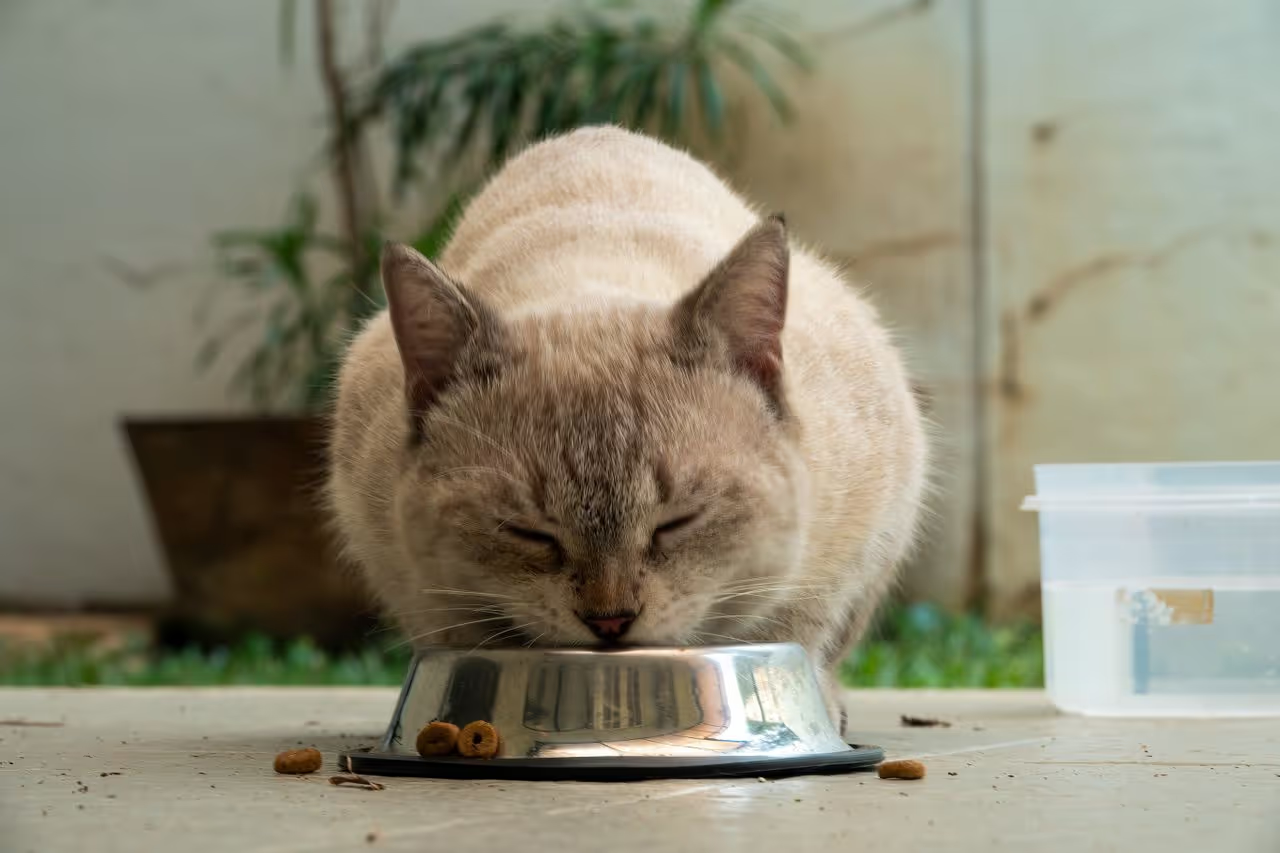
The Fussy Cat and the Washed-Off Sauce
In Portugal, a cat that had been eating enthusiastically every single day suddenly looked at its wet food one morning and simply refused to touch it. Nothing about the routine had changed. The only real culprit was the food itself, something about that particular batch, likely the sauce or gravy coating it, that the cat clearly didn't want.
The fix was almost embarrassingly simple: I rinsed the sauce off under the tap, leaving just the plain food underneath, and put it back down. The cat ate it immediately. Cats are genuinely, famously fussy, and a refusal one morning doesn't automatically mean something is wrong. Sometimes it's exactly this straightforward.
Small, Reasonable Adjustments Worth Trying
Beyond rinsing off an unfamiliar sauce, a couple of small additions can genuinely help with a fussy eater, provided you check with the homeowner first rather than assuming. A small amount of coconut oil, or a plain sardine packed in water placed on top of the food, is something a lot of dogs find genuinely irresistible, and it can be enough to get a hesitant animal eating again without anything more drastic. Butter is best skipped for this purpose, it isn't toxic in a tiny amount, but it's high in fat and lactose and isn't something worth actively adding.
None of this replaces actually monitoring the situation. It's a first, low-risk step worth trying within that initial adjustment period, not a substitute for paying attention to whether things actually improve.
If the pet in question is a senior animal rather than simply fussy, appetite changes deserve a slightly different lens. Our guide to caring for a senior pet during a house sit covers how aging specifically affects eating patterns, and what's worth asking a homeowner in advance if you know you're sitting for an older animal.
Safe Foods You Can Offer, and Where the Full List Is
The complete list now lives on its own page. What You Can Feed a Pet covers every human food a sitter might be offered a sad look over, sorted by animal and split into what you can give freely and what is a taste rather than a portion. It is far more specific than this page needs to be, so start there rather than here.
The biggest, most important caveat applies across the whole list, not just peanut butter: always read the ingredient label rather than assuming a food is safe because it's generally considered pet-friendly. Sauces, seasoning, added sugar, and artificial sweeteners are where most of the real risk actually lives, not the base ingredient itself.
If you're ever unsure whether something is safe, the TrustedHouseSitters vet line or a quick search on a resource like the ASPCA's toxic food list is worth checking before offering anything new.
The Timeframe That Actually Matters
| Timeframe | What to Do |
|---|---|
| First 24 hours | Monitor closely. Try small, approved adjustments (rinsing sauce, a small addition to food). Don't panic yet, especially for a nervous or newly-arrived pet |
| Still not eating after 24 hours | Contact the homeowner directly and discuss next steps. They may already know the pet has quirks or a pattern worth explaining |
| Still not eating, or other symptoms present | Use the THS 24/7 vet line if you're on Standard or Premium, or contact a local vet directly |
| No bowel movements for multiple days, alongside eating normally | Monitor closely and keep the homeowner informed, this is its own separate concern worth tracking even if appetite is fine |
We used exactly this approach with a dog in Switzerland that was eating completely normally but hadn't had a bowel movement for several days. We kept the homeowner updated throughout, watched closely, and were fully prepared to visit a vet if nothing changed.
It resolved on its own, but the process, communicate early, monitor closely, be ready to escalate, is exactly the same one we'd use for an actual eating problem. Our guide to strange pet behaviors during a house sit covers a broader range of signals worth watching for beyond appetite specifically, and our guide to what to do if a pet runs away during a sit covers a related situation where the same instinct, stay calm, communicate immediately, escalate appropriately, applies just as directly.
If medication is part of a pet's normal routine, appetite loss can sometimes be tied directly to that rather than to the food itself. Our guide to giving a pet medication during a house sit covers how to keep that routine on track, and what to watch for if a pet seems reluctant to eat around dosing times specifically.

Why the THS Vet Line Is Worth the Membership Tier Alone
When a cat we were looking after in Bochum had a swollen paw from what turned out to be a bee sting, being able to speak directly with a vet through the platform removed an enormous amount of stress that would otherwise have built up while we waited to hear back from the homeowner.
It's available on Standard and Premium plans, and for a genuine appetite concern that's crossed from "watch and wait" into "this needs a professional opinion," it's a faster, cheaper first step than driving to an emergency vet on a guess.
Our full breakdown of TrustedHouseSitters pricing covers exactly which tiers include the vet line and what the rest of the plan structure looks like, worth reading before you commit to a membership level if animal care experience is something you're still building.
If you're dealing with more than one animal at a time, our guide to house sitting multiple cats covers how appetite issues can look different, and be trickier to spot, when you're monitoring several pets rather than one.
For Sitters: Keep the Homeowner Informed Throughout
Don't wait until you're genuinely worried to say something. Mentioning early that a pet skipped a meal, even if it resolves on its own an hour later, builds trust rather than creating alarm.
A homeowner who hears "the cat didn't touch breakfast, I rinsed the sauce off and tried again, all good now" comes away reassured that you're paying attention, not worried that something's being hidden from them. Silence, by contrast, tends to read as inattention even when nothing was actually wrong.
This is really the same principle covered in our guide to strange pet behaviors during a house sit and our guide to handling a pet emergency when the owner is unreachable: communicate early and often, since a homeowner would always rather hear about a small concern than be surprised by a bigger one later.
For Homeowners: Disclose Known Quirks Before They Become a Mystery
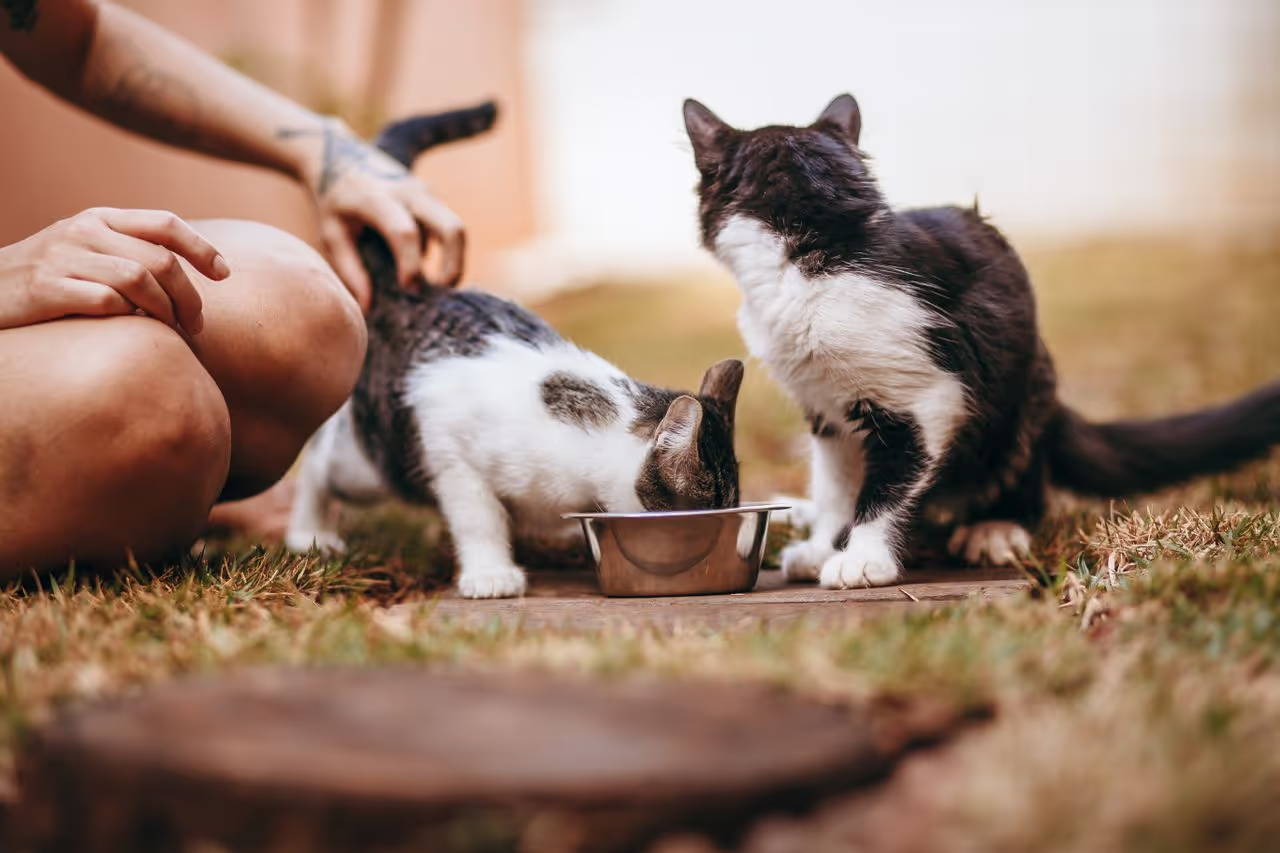
If a pet has a known pattern, a rare episode that happens once or twice a year, a history of picky eating, anything that could look alarming to someone unfamiliar with the animal, say so clearly in the welcome guide or during the video call.
In Manosque, a homeowner mentioned gently during our call that their pet had a rare quirk occurring only once or twice a year, already checked and confirmed safe by a vet. Knowing that in advance meant if it had happened during our sit, we'd have recognized it immediately rather than panicking. Our guide to what to ask a homeowner before you house sit covers exactly this kind of question worth raising directly, rather than leaving a sitter to discover a known pattern the hard way.
If there's no formal welcome guide in place at all, our guide to what to do when there is no welcome guide covers how to get this kind of information another way, before you're standing in the kitchen guessing why a pet won't touch its food.
And if you're new to house sitting entirely and worried a situation like this might work against you, our guide to getting your first sit without prior experience is worth reading, most homeowners respond far better to a sitter who communicates clearly through a small hiccup than one who never has one at all.
Has a pet ever gone off their food during one of your sits? What actually worked? We'd like to hear it, drop it in the comments below.
The Bottom Line
A pet not eating is rarely the emergency it feels like in the moment, especially in the first 24 hours. Try the small, obvious things first, rinse off unfamiliar sauce, offer a small approved addition, and keep the homeowner informed throughout.
If nothing's changed after a day, or if other symptoms appear alongside it, that's the clear signal to escalate to the homeowner and, if needed, a vet. Following that sequence, rather than guessing, is what's kept every one of our 20 sits from turning a fussy morning into a genuine crisis. Retching is a different symptom with its own rules, which what a dog retching actually means covers properly.
Caro and I have completed 20 house sits across 12 countries, driven 19,000km in Australia and 24,000km in our 1998 VW T4, and saved over $26,500 in accommodation costs over three years of house sitting. If a pet's gone off their food during one of your sits, DM us @housesittersguide, we answer everyone.

Frequently Asked Questions
How long should I wait before worrying about a pet that won't eat?
Give it about 24 hours while monitoring closely and trying small, homeowner-approved adjustments. If a pet still hasn't eaten after that window, or shows any other concerning symptoms, contact the homeowner and consider the THS vet line or a local vet.
What can I do if a cat suddenly refuses food it normally eats?
Cats are genuinely prone to fussiness. Try rinsing off any sauce or gravy from wet food and offering it plain, this alone resolves many cases. If the cat still won't eat after a day, treat it as worth escalating rather than assuming it's just pickiness.
Is it okay to add something to a pet's food to encourage eating?
Small additions like a bit of butter, coconut oil, or a sardine can genuinely help, but always check with the homeowner before adding anything, since dietary restrictions or health conditions may make certain additions unsuitable.
Should I tell the homeowner immediately if a pet skips a meal?
Yes. Mentioning it early, even if it resolves quickly, builds trust and shows you're paying attention. Waiting until you're seriously worried to say anything tends to come across as inattentive rather than reassuring, even when nothing was actually wrong.


Responses
What are your thoughts on this post?