

Home > Blog > Pet Injures Another Animal or Person
Quick Facts
| THS Third Party Liability | Covers up to $1,000,000 per incident. Standard and Premium only |
| What it covers | Injury or damage caused by the pet to third parties, due to sitter negligence |
| What it does NOT cover | Injury to the sitter themselves. you need your own health or travel insurance |
| First step | Restrain the pet, ensure safety, photograph injuries |
| Second step | Collect the other party's details |
| Third step | Call the homeowner. not hours later, immediately |
| Negligence question | Whether a leashed dog biting someone counts as negligence is not defined. contact THS for clarification |
| Dog fight separation | Tighten collar to reduce airflow if a dog locks on. this is the fastest way to break a grip |
In Sydney an off-lead French bulldog attacked Atlas, the Great Dane we were sitting; he was on the lead, which let us lift him clear. Restrain the pet, photograph everything, collect the other party's details and call the homeowner immediately. THS Third Party Liability covers up to $1,000,000.
We were in Lane Cove, Sydney, walking Atlas, a Great Dane on a lead, across the park when a French bulldog sprinted across the field and attacked without warning. By the time the other owner arrived, Atlas was already off the ground. I had lifted him entirely to create separation. The French bulldog had bitten Atlas on the leg, drawing blood. The other owner turned out to be a house sitter too. We took her details, cleaned the wound, called the homeowners, and documented everything. The sit ended with a five-star review.
Based on 20 sits across 12 countries, this is the closest Caro and I have come to a serious incident involving a third party. It resolved well because the response was immediate and documented. This article is about that response: what to do in the moment, what platform cover actually applies, how to handle the notification to the homeowner, and what the legal position looks like. For the reverse scenario (what happens when a dog bites you) see our dog bite guide.
If you are interested in getting into house sitting, our book Travel More for Less puts the whole process in one place: clear, step by step guidance from your first questions to your first confirmed sit, and the reviews that open the door to the next one.
What to Do in the First Five Minutes
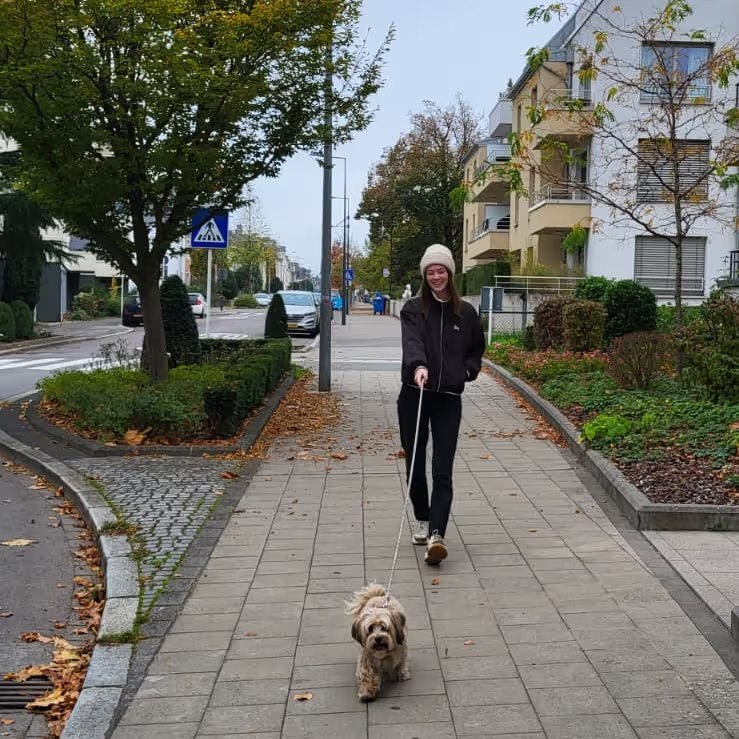
Restrain the pet immediately. Check the injured party. Photograph everything before doing anything else. Collect the other person's or owner's contact details. Then call the homeowner: not in a few hours, right away.
The first five minutes determine how the rest of the situation unfolds. Here is the sequence in order of priority.
Restrain the pet. Get the animal under physical control before anything else. If it is a dog, get a firm grip on the collar or lead. If the dog has locked on to another animal and will not release, the fastest method to break the grip is to tighten the collar enough to reduce airflow. This sounds extreme but it is the most reliable physical intervention when a dog has bitten down and will not let go. It should be done quickly and released the moment the dog releases.
Check the injured party. If a person has been bitten or knocked down, assess how serious the injury is. A minor nip that has not broken skin is different from a deep bite or a fall that may involve broken bones. If the injury is serious, call emergency services immediately and do not try to handle the situation alone.
Photograph everything before it changes. The bite wound, the location, the lead still in your hand, the other animal's injury. Do this within the first two or three minutes. Photographs with automatic timestamps are the primary evidence in any subsequent dispute about what happened and who was responsible.
Collect contact details. Name, phone number, and address of the person bitten or the owner of the injured animal. If the other owner is also a sitter, note the platform and sit details too. In the Sydney incident, we took down the other sitter's details and handed them directly to Atlas's owners so they could follow up directly.
Call the homeowner. Not in a few hours when everything is settled. Now, while the details are fresh and the homeowner can make their own decisions about next steps. Their pet has injured someone. They have a right to know immediately, regardless of time zone.
Platform Cover: What THS Actually Provides
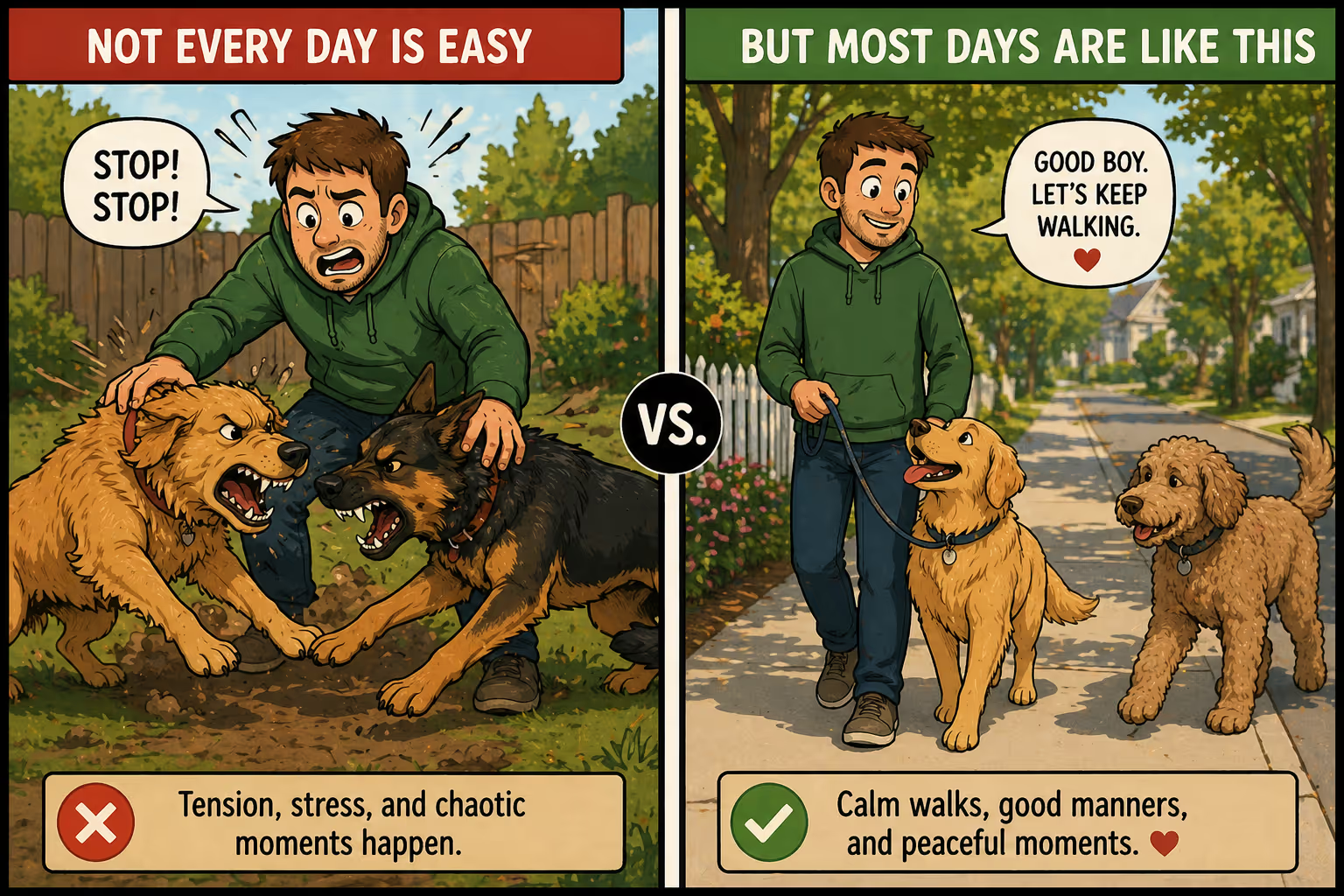
The THS Third Party Liability plan covers up to $1,000,000 per incident when a pet causes injury or damage to another person, their property, or their pets while under a sitter's care. This applies only on Standard or Premium memberships, and only when the incident results from negligence on the sitter's part.
This is the plan that applies when a pet you are caring for injures a third party, and it is a meaningful benefit. A dog attack that causes serious injury to a person or another animal can result in medical bills, veterinary costs, legal claims, and property damage that exceed what any individual sitter could cover personally. The $1,000,000 ceiling is the protection against that scenario.
The critical word is negligence. THS does not define in detail what constitutes negligence for a bite incident. Whether having a dog on a lead and still having it bite someone counts as negligent is a question that depends on the specific circumstances and may require THS to make a determination. What is likely not covered: an incident where the sitter was not present, the dog was off-lead in a situation where the homeowner had said to keep it leashed, or the sitter had ignored clear warning signs. What is more likely covered: an incident where the sitter was following all instructions and the attack was not reasonably preventable.
If you are in a situation where a claim may be necessary, contact THS Membership Services immediately and do not make any admissions of liability to the injured party before speaking to THS. Keep every piece of documentation you have.
Our house sitting insurance guide covers the full picture of what each platform plan includes and what you need to arrange separately. The key point: the Third Party Liability plan covers the other person or animal, not you. If you are injured in the same incident (as can happen if a dog pulls you down) your own health or travel insurance is what matters.
The Lead Rule and Prevention
Every dog Caro and I walk on a sit of under one month stays on the lead for the entire walk. No exceptions. This is the single most consistent preventive measure against incidents involving third parties.
A dog off-lead during a house sit is a dog you do not fully know, in an environment you do not fully control, potentially encountering dogs or people it may react to in ways the homeowner has never seen. The homeowner may say the dog is fine off-lead. That assessment was made with the dog's own people. It may not hold under the different conditions of a sit.
In the Sydney incident, Atlas was on the lead. The French bulldog was not. The lead meant that I could lift Atlas off the ground within seconds of the attack beginning. Without a lead, that separation would have been impossible.
Shortening the lead when approaching other dogs or people is a separate habit worth developing. A dog at two metres of extension has more momentum and reach than a dog at 50 centimetres. When another dog approaches, when the path narrows, when a group of children appears: shorten the lead before the situation develops. Our reactive dog guide covers walking technique and anticipation of triggers in detail.
The Dog Escape Scenario
Not all incidents involving third parties happen during a direct confrontation. In Bochum, one of our earliest sits, a dog slipped past the door during a walk and ran across a main road into a forest. The dog was frightened rather than aggressive, but a scared dog running across traffic is a serious danger to drivers, pedestrians, and the animal itself.
I spent two hours sprinting through uneven terrain without water before the dog was recovered. The dog did not cause an injury in that incident. But it could have. A scared dog running into traffic, into a crowd, or into another animal's territory creates the same liability picture as a direct attack.
The lesson: be deliberate about every threshold. Doors, gates, fences, and car doors are all potential escape points. Check the lead is secure before opening any door. In homes with multiple entry points or unfamiliar locking mechanisms, do the test close before the walk, not during it.
Handling a Dog Fight
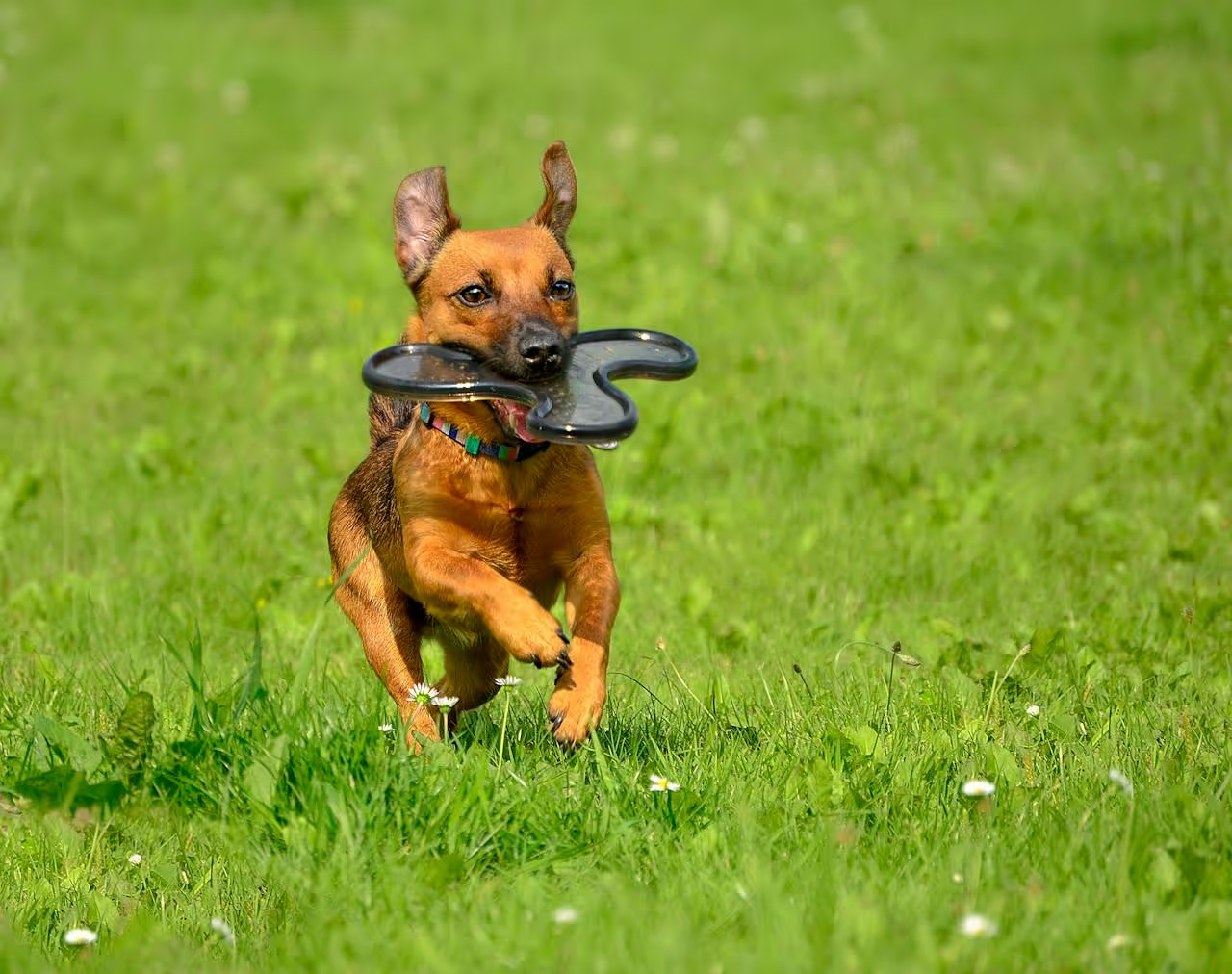
Dog fights are fast and disorienting. The instinctive response of reaching in with bare hands is the one most likely to result in injury to the sitter.
Keep the lead short as you approach other dogs so you have control before anything happens. If two dogs engage and one or both are on leads, use the leads to pull them apart rather than your hands. Put yourself between the dogs using your body sideways, not face-on.
If a dog locks its jaw on another dog and will not release, the fastest reliable method is to tighten the collar enough to restrict airflow. The dog will typically release its grip within seconds. Release the collar immediately afterwards.
Do not scream or make sudden loud noises. This escalates arousal in both animals. Move quickly but without panic. Once the dogs are separated, do not release either dog into the same space until both are calm and leashed.
After any dog fight, check both animals for puncture wounds even if neither is visibly bleeding. Puncture wounds from dog bites are often small at the surface and deeper than they appear.
Notifying the Homeowner
Call the homeowner as soon as the situation is under control. Not after you have decided whether it was a serious incident. Not after you have figured out the paperwork. As soon as the immediate safety situation is resolved.
The homeowner needs to know because the pet is their responsibility, their home insurance may be relevant, and they may have information about the pet's history that is useful to the response. If the homeowner had previously disclosed that the dog had shown aggression to other dogs, that information affects how THS assesses any subsequent claim. If the homeowner knew and did not disclose it, that is a different situation involving a breach of THS terms.
Keep the homeowner updated through every subsequent development. The other party's details, the medical assessment if anyone sought treatment, the vet bill if the other animal was injured. Document every exchange in writing through the platform messaging system as well as wherever you contact the homeowner directly.
Documentation: What to Capture
Within the first hour of any incident involving a third party injury, you need the following documented.
Photographs of the injuries to the person or animal, with automatic timestamps. Photographs of the location, showing context. A photograph of the lead in your hand or on the dog, demonstrating the dog was under restraint. The other party's name, contact details, and if relevant their pet's details and vaccination status. A written record of what happened, in order, with times. This record should be created while everything is fresh and sent to yourself in a message or email so it is timestamped independently.
If you have any existing footage from the sit (arrival walkthrough video, any photos taken during the sit) keep all of it. In a dispute about whether the incident was foreseeable or whether the dog had shown previous aggression, context matters.
The Legal Position
We are not lawyers, and nothing in this section is legal advice. Laws on animal injury liability vary significantly by country, state, and municipality. The general picture:
In most jurisdictions, the owner of a pet bears primary liability for injuries caused by that animal. As a sitter, you occupy a grey position: you are not the owner, but you are the person in control of the animal at the time of the incident. Whether liability falls on you, the homeowner, or both depends on the circumstances and the applicable law.
The key variable is negligence. A sitter who had the dog under control, on a lead, following all instructions, and was attacked by another off-lead dog is in a strong position. A sitter who had let the dog off-lead against the homeowner's instructions, or who had ignored earlier warning behaviour, is in a different one.
The THS terms require homeowners to carry adequate home insurance that covers the occupancy of a sitter. Whether that home insurance also covers third-party injury caused by the pet depends on the specific policy. This is a question for the homeowner and their insurer, not for THS to answer.
For sits in Europe, GDPR principles affect how you collect and handle the other party's personal details. The data should be used only for the purpose of resolving the incident and shared only with those who need it. Our legal issues guide covers the broader legal picture for house sitters across different countries.
The Review
If a pet you were sitting injured another animal or person, the review question is the same as any other incident: be accurate.
If the incident was due to the pet's undisclosed aggression history and the homeowner failed to mention it, that belongs in the review. Other sitters applying to that listing deserve to know. A factual note is sufficient: "The dog attacked another dog unprovoked during a walk. We were not warned of this tendency in the listing or welcome guide."
If the incident was truly unpredictable and the homeowner handled the aftermath well, that is also worth noting. Most homeowners, when faced with a genuine incident, respond responsibly. That matters to other sitters deciding whether to apply.
In Sydney, the incident with Atlas and the French bulldog was completely unprovoked and was caused by an off-lead dog from outside our control. We still received a five-star review because we handled it correctly. The documentation, the immediate notification, and the calm management of the situation were what the homeowners saw.
Conclusion
Incidents where a pet injures another animal or person during a sit are rare but they happen. The response that works is the same in every case: restrain the pet, document everything immediately, collect the other party's details, and call the homeowner before you do anything else.
The THS Third Party Liability plan on Standard and Premium memberships provides up to $1,000,000 in cover for third-party injury or damage caused by the pet, where the incident resulted from sitter negligence. Understanding that cover and its limits before you need it is how you make good decisions in the moment. Our insurance guide has the full breakdown. And our dog bite guide covers the scenario where you are the one who is injured.
Keep every dog on the lead for the duration of any short sit. Shorten the lead when approaching other animals or people. Know how to separate a dog that has locked on. These three habits are what prevent most incidents before they happen.
Join TrustedHouseSitters with 25% off and make sure you are on Standard or Premium before any sit involving a large or energetic dog.
DM us @housesittersguide on Instagram with questions about a specific incident. We answer everyone.

Frequently Asked Questions
What does TrustedHouseSitters cover if a pet I am sitting injures someone?
THS Standard and Premium memberships include a Third Party Liability plan covering up to $1,000,000 per incident where the pet causes injury or damage to another person, their property, or their pets due to sitter negligence. This plan does not cover injury to the sitter. It is not an insurance policy and does not replace your own personal health or travel insurance. See the THS support page and our insurance guide for full details.
Who is legally responsible if a pet injures someone during a house sit?
In most jurisdictions the pet owner bears primary liability, but the sitter's position depends on the specific circumstances and applicable law. Whether you as a sitter are found liable depends on whether the incident involved negligence on your part. This is a legal question that varies by country and situation. We are not lawyers. Consult a qualified legal professional in your country for advice specific to your circumstances. See our legal issues guide for the broader picture.
What should I do immediately if a pet I am sitting attacks another dog?
Separate the animals as quickly as possible using the lead, not your hands. If a dog has locked its jaw and will not release, tighten the collar enough to restrict airflow. The dog will typically release within seconds. Once separated, check both animals for puncture wounds, photograph injuries, collect the other owner's details, and call the homeowner immediately.
Should I keep dogs on the lead during a house sit even if the homeowner says off-lead is fine?
Yes. For any sit under a month, we keep every dog on the lead for the full duration of every walk. You do not fully know the animal's behaviour in all situations, and an off-lead dog that escapes or attacks creates liability you cannot control. The homeowner's assessment of the dog off-lead was made with their own person present. That may not hold on a sit. Our reactive dog guide covers walking protocol in full.


Responses
What are your thoughts on this post?