

Home > Blog > House Sitting Auckland 2026: Suburbs, Tips and How to Find Sits
Quick Facts
| Quick Facts | |
|---|---|
| Kiwi House Sitters Auckland listings | 130~ |
| TrustedHouseSitters Auckland listings | 20~ |
| Best Auckland suburbs for sits | Ponsonby, Mount Eden, Devonport, Mission Bay, Titirangi |
| Public transport card | AT HOP (bus, train, ferry across the network) |
| Dog beach restrictions | December to March, 10am to 5pm on major beaches |
| Biosecurity fine | $400 NZD on the spot for undeclared items at the border |
| Best season | Autumn (March to May) for lower competition |
Auckland is New Zealand's largest city and its most active house sitting market. With the highest listing concentration in the country, a manageable public transport network, and some of the most varied suburbs of any Australasian city, it is a practical and genuinely rewarding base for anyone house sitting in New Zealand for the first time.
I was in Auckland about nineteen or twenty years ago, so I will be honest about what I actually remember versus what I know from research. What I remember is a city that felt like everything was converging downward into one low point geographically, a series of hills and valleys that made driving through it an unusually interesting experience. It was vibrant, multicultural, and reminded me in many ways of Melbourne, another city built on layers of culture and geography with a good energy running through it.
Beyond that, the detail fades. What I can tell you with certainty is that Auckland was a pleasant starting point, but it was not where New Zealand blew my mind. That happened further south, at Waitomo and Taupo. Auckland, for me, was a launchpad.
If you are interested in getting into house sitting, our book Travel More for Less puts the whole process in one place: clear, step by step guidance from your first questions to your first confirmed sit, and the reviews that open the door to the next one.
Running both gives you the full Auckland market. For a complete picture of house sitting across all of New Zealand, the New Zealand house sitting guide covers everything beyond Auckland including the South Island.
Why Auckland Makes Sense as a House Sitting Base
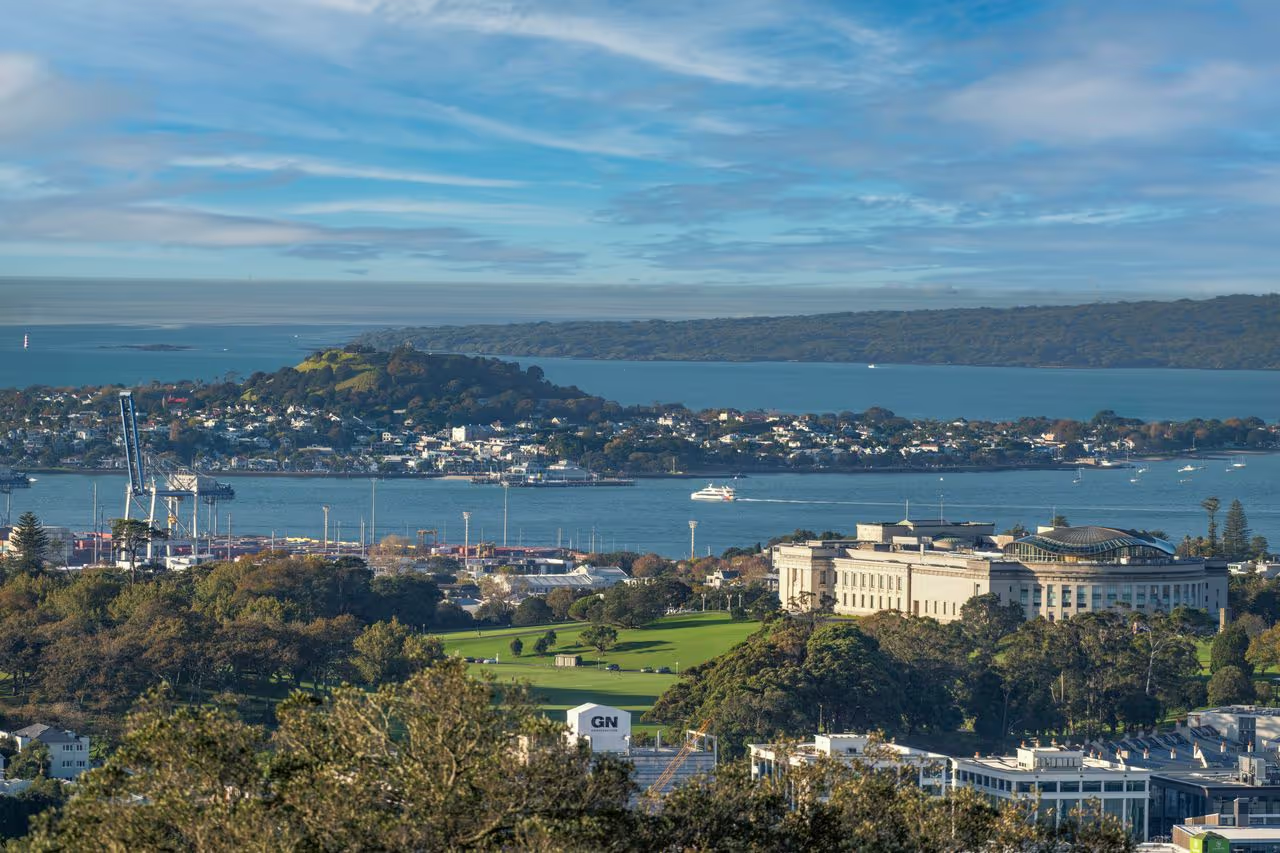
Auckland sits at the northern end of the North Island on a narrow isthmus between two harbours, which gives it a geography unlike most cities. Auckland sits on an isthmus studded with 53 dormant volcanic cones, which give the city an undulating, lumpy quality that surprises people expecting a flat Australasian city.
These are not dramatic mountain peaks but grassy mounds rising out of the suburbs, the highest being Mount Eden at 196 metres. Each one is a public reserve with walking tracks to the top and views across the city and both coastlines from the summit. It is not a flat city. The cones give it shape and texture in a way that makes moving through the suburbs genuinely interesting.
For house sitting specifically, Auckland makes sense because it combines the highest listing density in New Zealand with reasonable public transport for car-free sitters, and it sits within reach of some of the most extraordinary nature in the country.
Rotorua is three hours south. Waitomo is two and a half. The Bay of Islands is a few hours north. If you choose a sit with a pet that can be left for several hours, such as an older dog or an independent outdoor cat, Auckland becomes a base for day trips into landscapes that most travellers spend thousands getting to.
An older dog or outdoor cat suits this approach far better than a young dog or multiple indoor cats, which require more continuous presence. Our guide on house sitting with multiple cats and the piece on house sitting a rescue dog cover what different pet combinations actually demand day to day.
Finding Sits in Auckland: The Platform Picture
Kiwi House Sitters is the platform to join first for Auckland specifically. The Auckland listings are spread across the city's districts, from central Auckland through to the North Shore, Waitakere, Manukau, and Rodney. The concentration of listings in and around Auckland makes it the strongest single market on the platform nationally.
At around $89 NZD per year, it is the most affordable option for NZ-focused sitting. Sign up through this link and use code HSG15 at checkout for 15% off your membership. Using the link and the code together generates a small commission for this site at no extra cost to you. That is what keeps these guides free and the articles coming.
Our Kiwi House Sitters review goes into full detail on pricing and what the platform offers.
TrustedHouseSitters carries Auckland listings that skew toward homeowners who want the verification structure and international reach of a global platform. For sitters arriving with an existing THS review history, those reviews carry real weight with Auckland homeowners who are accustomed to international applicants.
The overlap between THS and Kiwi House Sitters listings is low enough that running both genuinely expands your options rather than showing you the same sits twice. Our TrustedHouseSitters pricing guide covers every plan and what each tier includes.
Building a strong profile before you apply matters more in Auckland than in quieter markets because competition for the better sits is real. Our house sitting profile guide covers what Auckland homeowners look for and what separates shortlisted applicants from the rest. If you are starting without reviews, the guide on getting house sits without prior experience is worth reading before you submit your first application.

Choosing Where to Sit in Auckland
Auckland's suburbs feel genuinely different from each other, and the one you end up in shapes your day-to-day experience considerably.
If you want ocean access and a village feel, Devonport is the area to target. It sits across the harbour from the city centre and is accessible by ferry in about 12 minutes, which makes it feel like a separate town despite being minutes from downtown. Devonport has a relaxed, walkable character with good cafes and harbourside paths. Mission Bay on the eastern waterfront is the more active beach suburb, better for morning runs and dog walks along the water. Both areas are popular for sits and come up regularly on both platforms.
If you want city access without needing a car, Ponsonby, Grey Lynn, and Mount Eden are the inner suburbs worth targeting. These areas are walkable, well served by buses, have good coffee, and sit on or near the volcanic cones that give Auckland its topography. Mount Eden itself is a twenty-minute walk from the suburb and offers a full 360-degree view across the city and both coastlines. Sits here tend to involve smaller properties, often dogs that need regular walking in an urban environment. Our guide on walking a dog in an unfamiliar area is worth reading before any urban dog sit.
If you want nature close by and do not mind needing a car, Titirangi and the Waitakere Ranges to the west put you in native bush with black-sand surf beaches like Piha within reach. This is a completely different kind of sit from the inner-city options: quieter, more remote feeling, with the Waitakere Ranges Regional Park essentially at the door. You need transport here. For anyone who, like me, prefers nature over city, the Waitakere sits are the ones worth chasing in Auckland.
North Shore, covering Albany, Browns Bay, and the areas around the harbour bridge, offers a suburban character that suits families and longer sits. The North Shore is its own community in many respects, connected to central Auckland by the harbour bridge and by ferry from Devonport and Bayswater.
Getting Around Auckland
Within Auckland, an AT HOP card gives you access to buses, trains, and ferries across the network. It works similarly to the Opal card in Sydney, you tap on and off and top up as needed, which makes moving around the city considerably more convenient than buying individual tickets. The card costs around $10 NZD and is available at convenience stores and train stations throughout the city.
The ferry network is particularly useful for sits on the North Shore or in Devonport. The Devonport ferry runs frequently and the crossing gives you a view of the harbour and the Sky Tower that is genuinely one of the better arrival moments in any Australasian city.
I have not personally used Auckland's public transport since we hired a car on our North Island trip and drove throughout. From what I know, the system is workable for inner-city sits but limited for anything beyond the urban centre.
If your sit is in Titirangi, the Waitakere Ranges, or anywhere on the outskirts, a car is necessary. Some homeowners offer use of their vehicle as part of the arrangement for exactly this reason. Our car lending guide covers how to raise that conversation properly and what needs to be agreed before the sit starts.
Dog Beach Rules in Auckland
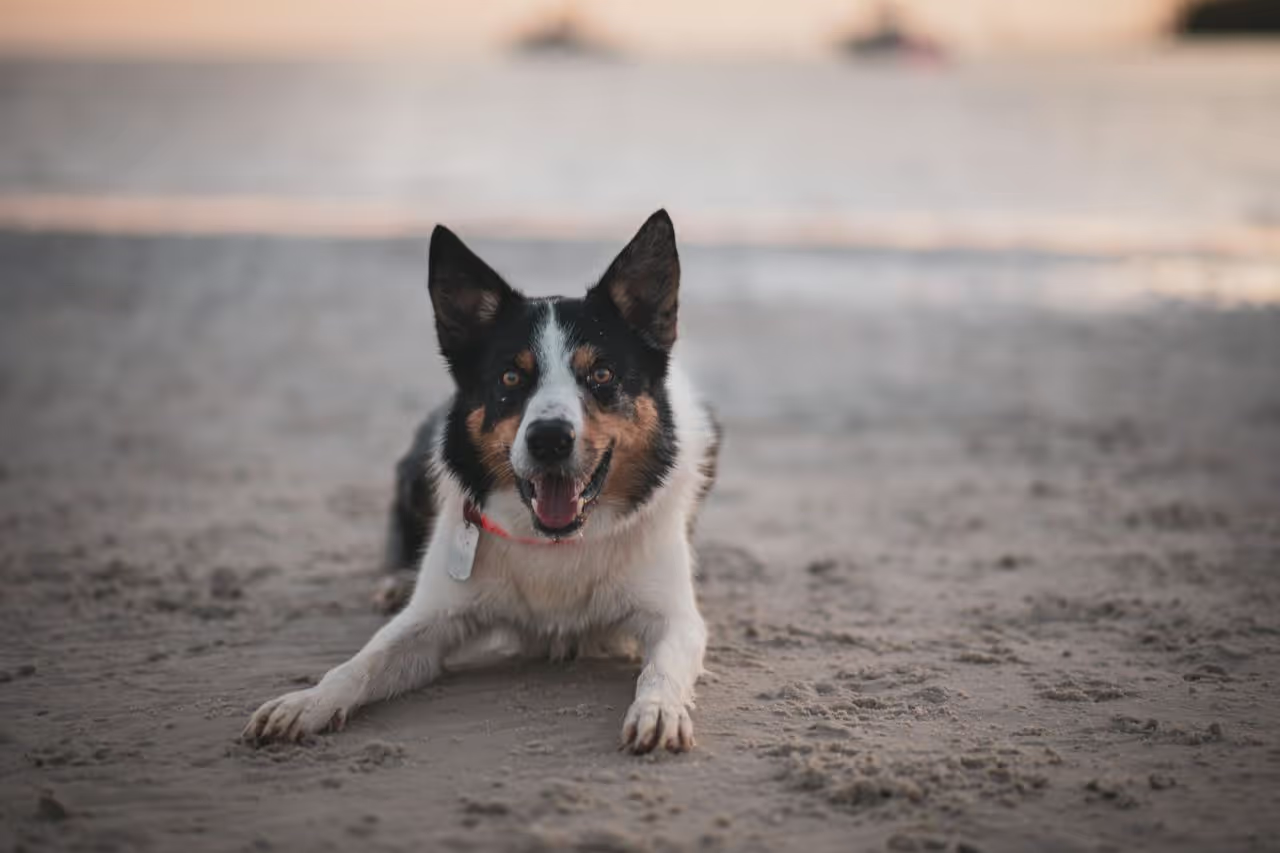
Auckland is a dog-friendly city with specific seasonal restrictions that matter for day-to-day sit management.
From December 1 to March 1, dogs are prohibited on major swimming beaches including Takapuna, Mission Bay, St Heliers, and Piha between 10am and 5pm. The restrictions vary slightly by local board, so checking the signage at the specific beach is the right approach rather than assuming a blanket rule covers everywhere. Outside these hours and outside the summer period, Auckland has excellent dog walking options including the volcanic cones, harbourside paths, and the regional parks throughout the city.
If you are arriving for a summer sit with a dog, factor the beach restrictions into your daily routine early rather than discovering them on arrival. The welcome guide for the sit, if the homeowner has provided one, should mention this. If there is no welcome guide, our guide on what to do when there is no welcome guide covers how to fill in the gaps before the homeowner leaves.
What Auckland Sits Actually Involve Day to Day
Beyond the pet care itself, Auckland sits have a few practical characteristics worth understanding before you arrive.
Auckland is humid relative to most Australian cities and mould can develop in homes that are not ventilated. Keeping windows open during the day, particularly in bathrooms and kitchens, is a simple responsibility that comes up in Auckland sits more than in drier climates. Most homeowners mention it in their briefing, but it is worth asking about during your video call if they do not.
Gardens grow fast in Auckland due to the rainfall and warmth. Watering is less critical than in Perth or Adelaide, but lawn maintenance and plant care come up regularly in sits with outdoor space. Clarify the expectations in the video call and make sure they are covered in any written summary you exchange before the homeowner leaves. Our guide on what house sitters can and cannot change during a sit is useful context for understanding where your responsibilities begin and end.
The Biosecurity Warning for Anyone Flying Into Auckland
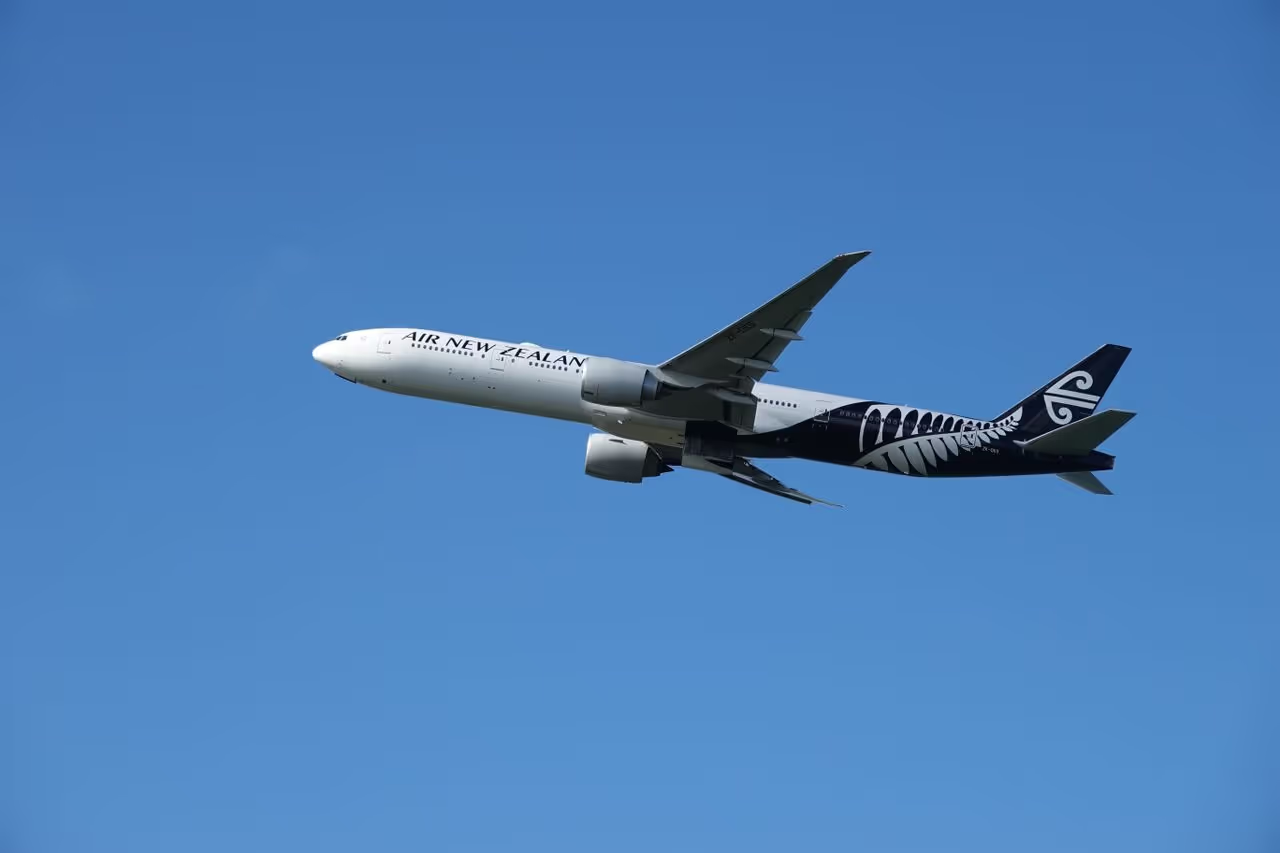
New Zealand's biosecurity rules apply at the international airport in Auckland for everyone arriving into the country. They are the strictest of any country I am aware of and the fines are applied regardless of intent.
Declare everything at the border: food, plant material, soil, hiking boots with dirt on them. The fine for an undeclared item starts at $400 NZD on the spot and rises to $800 for high-risk items like meat or seeds. The items that catch people are almost always things they did not think counted: an apple given out on the plane, a snack from the transit lounge, mud on boots from a trip months earlier.
The fix is straightforward. New Zealand moved to the Digital New Zealand Traveller Declaration (NZTD) in recent years, replacing the paper card filled out on the plane. Complete it before you land. If you realise mid-queue at customs that you have something undeclared, update your declaration on your phone before you reach the officer. That update counts as a valid declaration and avoids the fine. The full list of restricted items is on the New Zealand MPI biosecurity website.
The Visa Question for International Sitters
House sitting in Auckland and across New Zealand on a tourist visa sits in a legal grey area. New Zealand Immigration may consider providing pet care in exchange for accommodation as gain, which could technically require a work visa. Many international sitters arrive on tourist visas without issue, but the risk is real and the rules can change. Check the current position with New Zealand Immigration before you travel. Our guides on house sitting legal issues and what to tell customs when house sitting abroad cover the full picture. This is not legal advice.
When to Go: Auckland Sits by Season
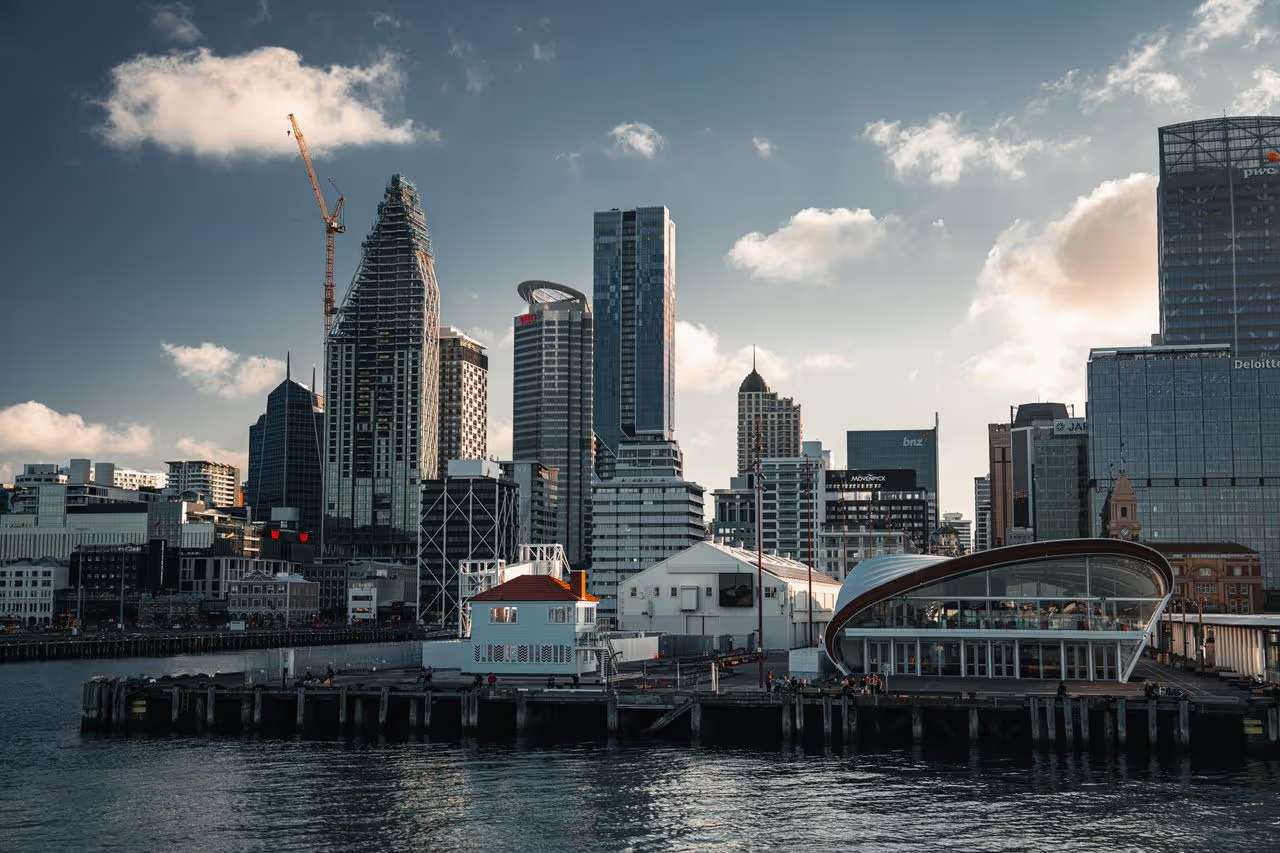
Summer, December to February, produces the highest listing volume as New Zealanders head away for extended holidays. It also brings the highest competition for sits and the dog beach restrictions across the major beaches. Christmas and January are the peak window for listings but also the hardest time to land a good sit without a strong profile and fast applications.
Autumn, March to May, is the most practical window for a first visit. Good listing availability, lower competition, warm weather without summer crowds. This is the window I would target for a first Auckland sit.
Winter, June to August, is mild in Auckland relative to most places northern hemisphere sitters are coming from. Listing volume is lower but competition drops considerably. For longer sits or sitters who are flexible on timing, Auckland winter is underrated.
Managing Costs During an Auckland Sit
New Zealand is not a cheap country, but the exchange rate softens the impact considerably for US and European travellers. After conversion, most everyday costs in Auckland land at similar or slightly better value than equivalent spending at home.
The accommodation saving is what transforms the financial picture entirely. Auckland rents are among the highest in the southern hemisphere. A two-week sit at a reasonable Auckland property represents a saving that covers multiple months of combined platform membership. Our guide to how much house sitting costs puts the full numbers in context across a year of sitting. A fee-free travel card for currency conversion avoids the bank charges that accumulate quickly when spending regularly in NZD.
Conclusion
Auckland is a practical, well-located, and genuinely enjoyable city to house sit in. The listing volume is the strongest in the country, the suburb choices are varied enough to suit very different sitting styles, and the access to the rest of the North Island from a central base is one of the best arguments for choosing Auckland as a starting point for New Zealand house sitting.
My honest advice is to treat Auckland the way I experienced it: as the beginning of something rather than the destination itself. Settle in, build a routine with the pets, explore the city in the first week, and then use the remaining time to push outward into the landscapes that make New Zealand genuinely extraordinary.
Caro and I have completed 20 house sits across 12 countries, driven 19,000km in Australia and 24,000km in our 1998 VW T4, and saved over $26,500 in accommodation costs over three years of house sitting. If you have questions about house sitting in Auckland or anywhere in New Zealand, send us a message on Instagram, we read every DM.

Frequently Asked Questions
How many house sitting listings are there in Auckland?
Check current numbers directly on Kiwi House Sitters and TrustedHouseSitters before applying, as listing counts change regularly. Auckland is consistently the highest-volume market in New Zealand, with listings spread across central Auckland, the North Shore, Waitakere, Manukau, and Rodney.
Which platform is best for house sitting in Auckland?
Kiwi House Sitters for volume, TrustedHouseSitters for international sitters with existing reviews. Running both together covers the full Auckland market. The listing overlap between them is low enough that you are genuinely expanding your options by using both.
Do I need a car to house sit in Auckland?
For inner-city suburbs like Ponsonby, Mount Eden, and Devonport, not necessarily. The AT HOP card covers buses, trains, and ferries across the inner network. For sits in Titirangi, the Waitakere Ranges, or anywhere on the outskirts, a car is essential. Always clarify transport before you commit to a sit.
What are the dog beach rules in Auckland?
From December 1 to March 1, dogs are prohibited on major swimming beaches between 10am and 5pm. Rules vary slightly by local board so check the signage at the specific beach rather than assuming a single rule applies everywhere. Outside those hours and dates, Auckland has excellent dog-friendly walking areas throughout the city.
What is the biosecurity rule for arriving in Auckland?
Declare everything at the border. The fine for undeclared items starts at $400 NZD on the spot and rises to $800 for high-risk items. Complete the Digital New Zealand Traveller Declaration (NZTD) before you land. You can update it on your phone mid-queue if you realise you have something undeclared before reaching the officer.
What is the best suburb to house sit in Auckland?
It depends on what you want from the sit. Devonport and Mission Bay for ocean access. Ponsonby and Mount Eden for walkability and city access without a car. Titirangi and the Waitakere Ranges for nature and bush, if you have transport. North Shore for a suburban feel with good harbour access.
Is Auckland a good base for exploring the rest of New Zealand?
Yes, particularly the North Island. Rotorua is around three hours south, Waitomo two and a half, the Bay of Islands a few hours north. If your sit involves a pet that can be left for several hours comfortably, such as an older dog or an independent outdoor cat, Auckland gives you access to some of the most extraordinary landscapes in the southern hemisphere as day trips.


Responses
What are your thoughts on this post?