

Home > Blog > House Sitting in a Heatwave
Quick Facts
| Too hot to walk? | If you cannot hold your hand on the ground for seconds, yes. |
| When to walk dogs | Before 8am or after the sun has been down an hour. |
| Heatstroke first aid | Cool, not ice-cold, water on groin, armpits and neck, then a vet. |
| What never to do | Do not cover the animal with wet towels, they trap heat. |
| Is ice water safe? | Yes. The bloat claim is debunked by veterinary consensus. |
| How much water for you? | One and a half to three litres daily, plus electrolytes. |
Heat changes everything on a sit. Water that needed refilling every three days now needs refilling daily. Walks that were pleasant in the morning need to move earlier. Animals that were active during the day now spend it in shade. The margin for error shrinks significantly. Most of this is manageable with simple adjustments — but only if you recognise that the sit requires a different approach the moment the temperature rises.
We are currently three weeks into a six-month summer sit in Portugal. The weather is warm and dry in a way that is truly beautiful and also truly demanding. The cat does not go outside during the day except at feeding time. The four chickens. Kiwi, Clucky, Coocoo, and Snowy. Stay in the shade all day. We refill their water every single day now instead of every three days. In the afternoon we give them a cold snack from the fridge: watermelon, which they have come to expect with considerable enthusiasm.
The house manages the heat well. High ceilings, thick walls, good ventilation. This is old construction logic that keeps a building cooler than any air conditioning system we have encountered. We run a fan at night. That is all that is needed here.
But not every sit has thick walls and high ceilings. Some have low ceilings, west-facing rooms that become ovens by early afternoon, and no AC. And some of those sits have dogs that need walking, cats that need monitoring, and homeowners who left without briefing the sitter on any of it.
If you are interested in getting into house sitting, our book Travel More for Less puts the whole process in one place: clear, step by step guidance from your first questions to your first confirmed sit, and the reviews that open the door to the next one.
What Heat Actually Does to Pets
The most important thing to understand is that heat illness in animals progresses quickly and quietly. A dog panting heavily looks like a dog that is warm. An hour later it can look like a dog in crisis. The signs that something is wrong are subtle early and obvious too late. Which is why prevention is the only reliable strategy.
Dogs cool themselves almost entirely through panting and through the pads of their feet. If the ground is too hot for the pads, the walk is too hot to happen. The check is simple: hold the back of your hand on the ground. If you cannot hold it there comfortably for several seconds, it is too hot for the dog's paws. In practice, most people can judge this visually on a hot day. Dark tarmac in direct sun at noon is not a question you need to test. Early morning and evening are the safe windows. Midday is not.
Cats cool themselves through grooming and by seeking cool surfaces. A cat that is spending the day lying on tile in the shade is doing exactly what it should. A cat that is panting. Which is unusual behaviour in cats under normal circumstances. Is a cat that needs immediate attention.
Chickens in heat seek shade, reduce their activity, and drink significantly more water. Our chickens' water consumption in Portugal has more than doubled compared to when we first arrived. Cold food. Frozen fruit, cold vegetables. Helps bring their core temperature down and gives them something to engage with during the hottest hours.
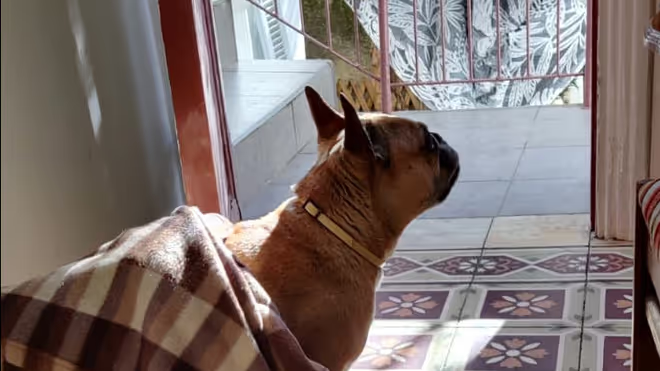
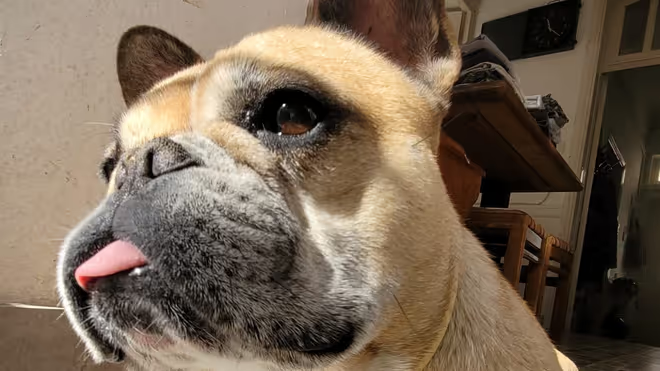
High-risk animals deserve specific mention. Flat-faced breeds. Pugs, Bulldogs, French Bulldogs, Persian cats. Cannot pant efficiently and can overheat at temperatures that feel merely warm to a human. The Athens French Bulldog we sat during winter was entirely comfortable indoors, but had the sit been in summer, the precautions would have been significantly different. If you are sitting a brachycephalic breed during any warm period, treat any outdoor activity as a risk to be managed rather than a routine to be followed. Our strange pet behaviours guide covers the behavioural signs that distinguish heat stress from normal warm-weather behaviour.
The Walk Schedule: Early, Late, Not Midday
Caro and I take dogs out first thing in the morning and in the afternoon when the temperature has dropped. This is our default approach regardless of season, because it is also simply the better time of day for a dog walk. In summer it becomes essential rather than optional.
In a heatwave, first thing in the morning means early. Before 8am if possible. The ground holds heat overnight and early morning gives it the best chance to have cooled. Late evening means truly late. After the sun has been down for at least an hour and the ground has had time to release some of the day's heat.
If a dog is used to a midday walk and does not get one, provide indoor enrichment instead. A puzzle toy, a short training session, a scent activity. These use mental energy in a way that does not raise the body temperature. An exhausted dog from a mental session is a calm dog. An overheated dog from a midday walk is a dog that needs emergency care.
Managing the House Temperature
The Portugal house manages itself. Thick walls, high ceilings, and cross-ventilation do the work that most modern buildings require machinery for. If you arrive at a sit and the house stays cool naturally, work with that: keep shutters and curtains closed on the sunny side during the day, open windows on the cooler side, and open everything at night when outside air temperature drops.
If the house does not manage itself and has air conditioning, use it. But communicate with the homeowner first. A message before a heatwave begins: "The forecast shows temperatures reaching 38°C this week. I will be keeping the AC running during the day for the animals' safety. Is there a preferred setting or anything I should know about the system?" This is not asking permission to look after the animals safely. It is being transparent about what you are doing and giving the homeowner a chance to share any relevant information about the system.
If there is no AC and the house becomes dangerously hot, identify the coolest room. Usually ground floor, north-facing, tiled. And set it up as the animal's space. Multiple water bowls in different locations. A fan if available. Cooling mat if the homeowner has one. The animal's ability to find and stay in the coolest available space is the basic protection when active cooling is not possible.
Our weather responsibilities guide covers the broader question of what a sitter is and is not responsible for when external conditions affect the property.
Heatstroke: What to Do
If an animal is showing signs of heatstroke. Collapse, unresponsiveness, seizures, gums that have gone pale or grey. The sequence is:
Move the animal to a cool shaded area immediately. Pour cool water over the body, focusing on areas with less fur: the groin, armpits, inside of the thighs, and neck. Do not use ice-cold water. The shock can cause the blood vessels to contract and reduce cooling. Do not cover the animal completely with wet towels. They trap heat rather than releasing it. Offer small amounts of water to drink if the animal is conscious and able to swallow. Never force water into an unconscious animal.
Then get to a vet. Call ahead so they are prepared. Keep the car cool during transport.
One common misconception worth correcting: ice cubes in water are safe for an overheated dog. The claim that ice water causes bloat has been debunked by veterinary consensus. Cold water helps. The dangerous version is the opposite. Wet towels that trap heat or ice applied directly to skin in a way that causes vasoconstriction.
Know the nearest emergency vet before you need them. Look it up on arrival at any summer sit, not when an animal is already in distress. Our pet emergency guide covers the full protocol when a pet needs urgent attention and the homeowner is unreachable. The TrustedHouseSitters 24/7 vet helpline on Standard and Premium plans is the first call in any situation where you are uncertain. Our vet costs guide covers what the helpline provides and when to use it.
Looking After Yourself in the Heat
The research calls it "heat brain". The cognitive impairment that comes from working in a hot environment. I experience this directly. When the temperature is high I get tired faster and frustrated more easily. The quality of my thinking and my work declines. I stay indoors, I drink between one and a half and three litres of water a day, and I accept that some days in a heatwave the output will be lower than normal.
This matters for house sitting because heat-impaired judgment is exactly the condition under which small mistakes happen. A water bowl not refilled, a walk taken slightly too late in the day, a sign of distress in an animal that was noted but not acted on. None of these are the result of carelessness in normal conditions. They are the result of a cognitive system that is running slower than usual.
The practical measures: water constantly, not just when thirsty. Electrolytes periodically. Particularly on days involving physical activity or if sweating heavily. Rest in the coolest part of the house during peak heat. Wear light, loose clothing outside. Recognise that feeling slightly off is the early signal, not an inconvenience to push through.
If you feel dizzy, have a headache, or feel nauseous in the heat, stop and cool down. These are the signs of heat exhaustion in humans and they require the same treatment as heat stress in animals: shade, cool water on the skin, hydration, and rest.
Join TrustedHouseSitters with 25% off. DM us @housesittersguide on Instagram. We answer everyone.
Heatwave Sit Quick Reference
| Animal care | Action |
|---|---|
| Walks | Before 8am and after 8pm only. Check the ground with the back of your hand. |
| Water | Multiple bowls, refilled daily or more often in extreme heat. Add ice cubes — they are safe. |
| Indoor cooling | Coolest room identified and set up for the animal. Shutters closed during the day. |
| Cold enrichment | Frozen fruit, cold vegetables — a simple way to help animals cool down and stay engaged. |
| Heatstroke signs | Excessive panting, lethargy, stumbling, vomiting, pale or grey gums. Act immediately. |
| Emergency response | Cool water on groin, armpits, neck. Not ice-cold. Not wet towels as covering. Vet immediately. |
| Sitter self-care | 1.5-3 litres of water daily. Electrolytes. Stay indoors during peak heat. Recognise heat exhaustion early. |

Frequently Asked Questions
How do I know if it is too hot to walk a dog?
If you cannot hold the back of your hand on the ground for several seconds comfortably, it is too hot for the dog's paws. In practice, dark tarmac in direct midday sun is never safe during a heatwave. Walk only in the early morning before 8am or the late evening after the sun has been down for at least an hour. When in doubt, skip the walk and provide indoor enrichment instead.
What should I do if a pet shows signs of heatstroke?
Move to shade, apply cool (not ice-cold) water to the groin, armpits, and neck, and get to a vet immediately. Do not cover the animal with wet towels. They trap heat. Do not force water into an unconscious animal. Call the vet ahead so they are prepared for arrival. The THS 24/7 vet helpline on Standard and Premium plans is the first call if you are uncertain whether what you are seeing is an emergency.
Is it safe to give ice or ice water to an overheated dog?
Yes. The claim that ice water causes bloat has been debunked by veterinary consensus. Cool water and ice cubes are helpful for an overheated dog. The dangerous practice is the opposite: covering an animal with wet towels that trap heat, or applying ice directly to skin in a way that causes blood vessels to contract. Cool water focused on low-fur areas is the correct approach.
How do you keep a house cool without air conditioning in a heatwave?
Close shutters and curtains on the sunny side during the day, open windows on the cooler side, and open everything at night when outside temperatures drop. Identify the naturally coolest room. Usually ground floor, north-facing, tiled. And make that the animal's space during peak heat. High ceilings and thick walls do significant work in older construction. In modern homes without these features, a fan in the coolest room is the practical alternative.


Responses
What are your thoughts on this post?