

Home > Blog > Giving Pet Medication During a House Sit
Quick Facts
| Most common medication type | Daily pills. usually pre-portioned by homeowner into morning/evening containers |
| Best technique for dogs | Wrap pill in ham or favourite food. swallowed before the dog decides |
| Best technique for cats | Crush pill and mix into wet food; add water to dry food to improve uptake |
| If the pet refuses | Contact the homeowner. they have done this before and know what works |
| Injections | Only accept if you have genuine prior experience. do not learn on someone else's animal |
| When to escalate to the vet | If the pet has missed multiple doses and the homeowner cannot be reached |
| Disclaimer | We are not vets. always follow the homeowner's specific instructions first |
Wrap a dog's pill in ham or a strong-smelling treat; crush a cat's finely through wet food. Ask the homeowner to pre-portion labelled daily containers before they leave, and if the pet refuses, ring them before the vet. Never accept injections without real experience.
If you are interested in getting into house sitting, our book Travel More for Less puts the whole process in one place: clear, step by step guidance from your first questions to your first confirmed sit, and the reviews that open the door to the next one.
Both were manageable. Both required technique. This article covers what we learned and what to do when the pet decides medication is optional. Use our 25% discount when joining.
The techniques in this article are based on personal experience and should always be used alongside the homeowner's specific instructions and any guidance from the treating vet.
Before the Sit: What to Confirm
Medication adds a layer of responsibility that needs to be confirmed before the sit starts, not discovered on arrival.
During the pre-sit video call, ask directly: "Does [pet name] take any medication, and if so, what is the routine?" Even if the homeowner mentions it in the listing or welcome guide, a verbal walkthrough of the process during the call means you understand it before you are standing in the kitchen at 7am trying to remember which pill goes in which bowl.
The best preparation a homeowner can do is pre-portion the medication into labelled daily containers: morning and evening, clearly marked. In Cortona, the homeowner had done exactly this. The Labradors' pills were ready in individual containers for each part of the day. We simply opened the morning container, followed the instructions, and moved on. It took two minutes and we never had to think about counting pills or calculating doses. If the homeowner has not done this, ask them to during the call or at the in-person handover.
Confirm the following before the homeowner leaves:
What medication, what dose, and what time of day. Whether the pill needs to be given with food or without. What happens if the pet misses a dose. Whether there is a vet contact number for medication questions. What the homeowner's preferred method is: they know what works for their animal.
Dogs: The Ham Trick and the Drop Technique
The most reliable method for dogs: wrap the pill in a piece of ham or the dog's favourite food and present it as a treat.
A dog will take a piece of ham from your hand and swallow it before it has time to detect the pill inside. The smell of the food overrides the detection process. In Cortona, one of the Labradors (Teddy) would take the ham-wrapped pill so eagerly that we had to be careful not to have fingers near his mouth when we offered it. Ham, chicken, a small piece of cheese, a piece of sausage: anything with a strong smell works well.
For dogs that are more suspicious, or for a dog that has learned to eat the food and spit out the pill, a second technique works well. Keep a small handful of the dog's favourite treats. Drop two or three of them on the floor one after another, so the dog is in a rhythm of catching or sniffing and eating. Then drop the pill, still moving at the same pace. The dog's instinct is to continue the pattern and the pill is swallowed before the brain catches up.
For pills that need to go in food rather than be given as treats, mixing into wet food with warm water added is consistently more effective than dry food alone. In Cortona's evening routine, we would add water to dry food, stir in a small amount of tuna or minced wet food to improve the smell and texture, and mix the crushed or whole pill through it. The dog would eat the entire bowl. A dry food bowl with a pill sitting on top is much more likely to get the pill licked off and left behind.

Cats: The Towel Restraint and the 82g Challenge
Cats are considerably more difficult than dogs. They are better at detecting foreign objects in food, more likely to eat around a pill, and significantly less likely to cooperate with any direct approach.
For a fussy cat on a precise diet, the technique that worked for us in Cries was to crush the pill finely with the back of a spoon and mix it thoroughly into wet food or a small amount of strongly-flavoured food. The crushing is important. Whole pills in cat food often get licked around or pushed aside. Crushed pill mixed through the food is harder to detect and harder to avoid.
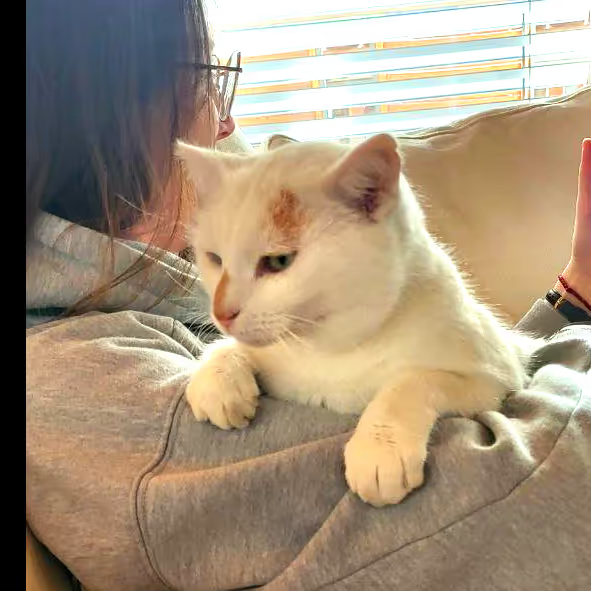
The Cries cat was on 82g of food in the morning and evening, and every gram of it needed to contain the medication. He was also deeply fussy about the presentation of his food. We had to keep the bowl looking fresh: stirring it, moving around after him to keep his attention on it. Getting a fussy cat to eat a precise amount of medicated food is one of the more patience-testing experiences of house sitting.
For liquid medication in cats, a syringe administered directly into the side of the mouth (between the teeth and the cheek pouch, not down the throat) is the method vets typically demonstrate. Ask the homeowner to show you this technique at handover if it is the method required.
For teeth cleaning (which we also did in Cries) the towel restraint method works: wrap the cat securely in a towel with just the head exposed, which limits scratching and wriggling, and use a cotton swab or pet toothbrush with the specified product. The cat will not enjoy this. Do it quickly and release as soon as it is done. Over a few days most cats adjust to the pattern even if they never enjoy it.
If the Pet Refuses
Every homeowner who has ever medicated their own pet has a story about the day it stopped working. The pill-in-ham technique that worked for three years suddenly fails because the dog has learned the pattern. The cat that ate its crushed pills happily for a month starts sniffing the bowl and walking away.
When this happens, the first call is to the homeowner, not the vet. They have navigated this before and they know what alternatives work for their specific animal. "He is not taking the pill in ham anymore. what has worked in the past?" is a question they can answer immediately, and it will save you significant time and stress.
If the homeowner cannot be reached and the pet has missed a dose or two, contact the vet directly. Tell them the medication name, the dose, how many doses have been missed, and what you have tried. The vet can advise whether the missed doses are medically significant, whether there is an alternative formulation (liquid instead of pill, for instance), and whether the pet needs to be seen. Our pet emergency guide covers the full escalation chain for situations where the homeowner cannot be reached.
The decision about whether to change the medication approach, contact the vet, or continue trying belongs to the homeowner, not to you. Your job is to escalate the information to the right person and follow their guidance.
Injections: Know Your Limits
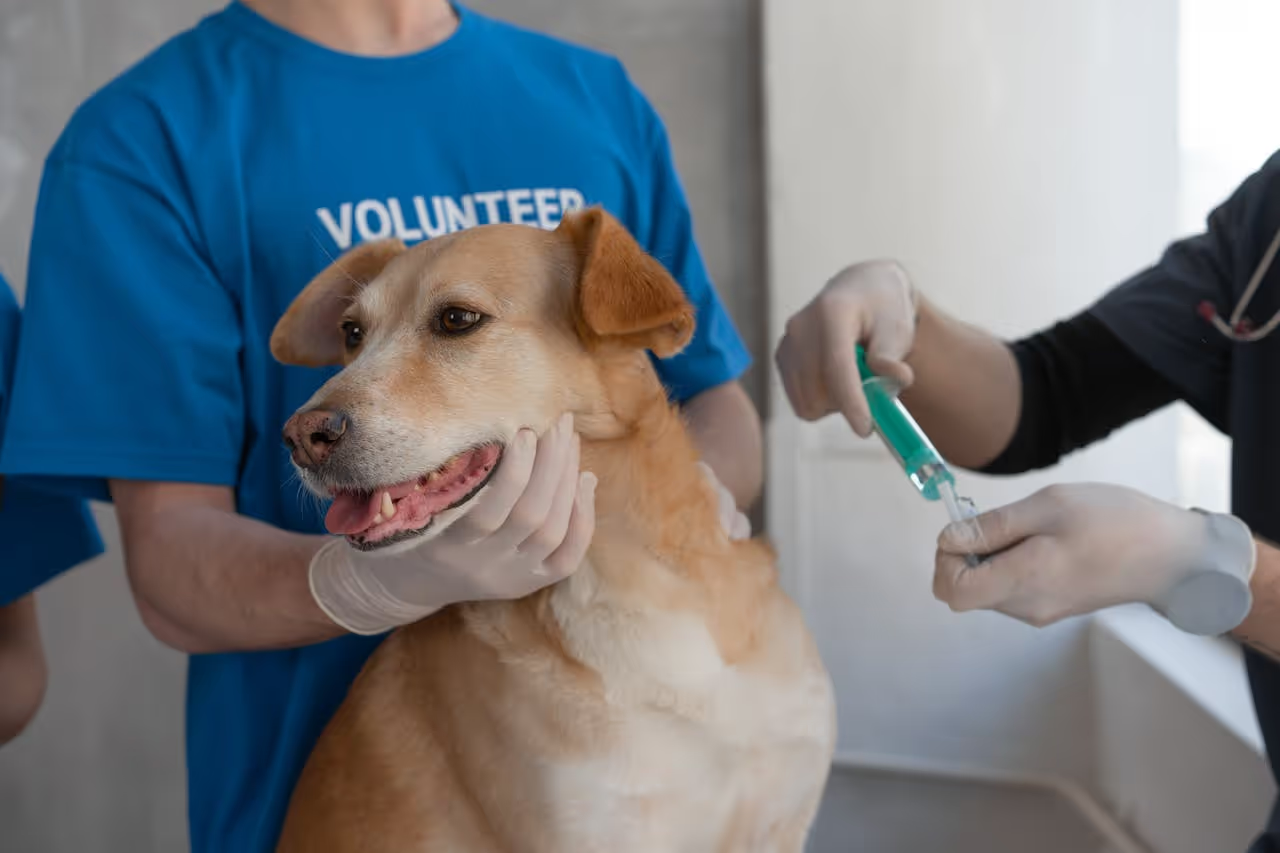
If a listing includes a pet that requires injections (most commonly a diabetic cat or dog requiring insulin) accept only if you have prior experience.
This is not about squeamishness. It is about the genuine risk of administering the wrong dose, using the wrong injection site, or handling the needle incorrectly in a way that harms the animal. Insulin overdose in a diabetic pet is a medical emergency. An injection administered incorrectly can cause an abscess, a missed dose, or a panicked animal that injures itself or you.
I have no injection experience and I would not accept a sit that requires them. There are enough house sits available globally that applying for sits within your skill level is always possible. Our guide to evaluating listings covers how to apply selectively to sits that match your actual capabilities.
If a homeowner has a pet that requires injections and is listing on TrustedHouseSitters, they need to be explicit in the listing about this requirement, and they need a sitter who truly has the skill. A sitter who accepts, panics on day one, and contacts the homeowner from the kitchen with a syringe they are not confident using is not what the pet needs.
What Is Not Your Decision to Make
As a sitter, you follow the homeowner's medication instructions. You do not adjust doses, skip medications because the pet seems better, add supplements the homeowner did not mention, or change the timing. If you think the medication schedule needs reviewing or the pet seems unwell despite taking medication, you raise it with the homeowner. You do not make clinical decisions about someone else's animal.
This applies to the refusal situation too. If a pet refuses medication for two days and you have contacted the homeowner with no response, you escalate to the vet for guidance. You do not make the unilateral decision to stop trying or to change the method significantly without the homeowner's knowledge. That is a medication decision turning into a health one, and the point where it does is set out in the emergency signs worth knowing before a sit.
The homeowner trusted you with their animal's care. That trust includes following the medical instructions as given, documenting any deviations, and always escalating decisions rather than making them yourself. Our what house sitters can and cannot change guide covers this principle across all areas of pet care.
Conclusion
Medication during a house sit is manageable when the homeowner has set it up clearly and the pet is reasonably cooperative. The ham technique works for most dogs. Crushed pills in wet food works for most cats. Both require patience and occasionally creativity when the pet decides today is the day they are not playing along.
Know your limits. Injections require genuine prior experience. Anything you are uncertain about should be raised with the homeowner before the sit starts, not on the morning you are standing there holding a syringe.
Keep the homeowner informed if the pet is not taking medication. It is their animal and their responsibility to advise on next steps. Not yours to solve alone.
Join TrustedHouseSitters with 25% off using our discount link and read our what to ask a homeowner guide. Medication questions belong in that conversation before the homeowner leaves.
DM us @housesittersguide on Instagram. We answer everyone.

Frequently Asked Questions
How do I give a dog a pill during a house sit?
Wrap it in ham or a favourite treat and offer it as a snack. Most dogs swallow it before detecting the pill. For suspicious dogs, use the drop technique: offer several treats in quick succession, then drop the pill as part of the sequence. If pills need to go in food, mix them through wet food or dry food with warm water and a strongly-flavoured addition like tuna or minced wet food.
How do I give a cat a pill during a house sit?
Crush the pill finely and mix it thoroughly through wet food. Whole pills are easier for cats to detect and avoid. For liquid medication, ask the homeowner to demonstrate the cheek-pouch syringe method at handover. For teeth cleaning, use the towel restraint method. Always follow the homeowner's specific technique. They know what works for their animal.
What should I do if a pet refuses its medication?
Contact the homeowner first. They have dealt with this before and know what alternatives work. If the homeowner cannot be reached and the pet has missed multiple doses, contact the vet directly with the medication name, dose, and number of missed doses. Document every attempt and every contact in writing. Do not make clinical decisions about changing the approach without guidance from the homeowner or vet.
Should I accept a house sit that requires pet injections?
Only if you have genuine prior experience with injections. Administering the wrong dose or incorrect technique can cause serious harm. If you do not have injection experience, do not accept the sit. There are enough listings available that applying only to sits within your skill set is always possible. See our house sitting opportunities guide for how to find sits that match your capabilities.


Responses
What are your thoughts on this post?