

Home > Blog > Dog Bite During a House Sit
Quick Facts
| First step | Wash the wound immediately with soap and running water for at least 5 minutes |
| Seek medical care if | The skin is broken, the bite is on the hand or face, or you cannot confirm the dog's rabies vaccination status |
| Document immediately | Photograph the wound, timestamp it, message the homeowner in writing |
| Does THS cover you? | No — Third Party Liability covers damage the pet causes to others, not injury to the sitter |
| Sitter's own cover | You need personal health or travel insurance — THS plans do not replace this |
| Contacting THS | Use Membership Services for serious bites; raise a Member Dispute if the dog had a history of biting that was not disclosed |
| Review | Be honest — other sitters have a right to know |
| THS clause | 5.2.4 prohibits dogs that have ever caused physical harm from being listed |
Wash a bite under running water with soap for five minutes at minimum, photograph it, and message the homeowner in writing. Starting wound care within 6 hours cuts infection risk from 59% to about 8%. THS cover does not protect the sitter. Your own health or travel insurance does.
This is not legal or medical advice. We are not lawyers or medical professionals. The information in this article is based on our own research into how liability and injury situations generally work in a house sitting context. Laws around animal liability vary significantly by country and region. Seek medical attention for any injury and consult a lawyer for guidance specific to your situation.
If you are interested in getting into house sitting, our book Travel More for Less puts the whole process in one place: clear, step by step guidance from your first questions to your first confirmed sit, and the reviews that open the door to the next one.
This article covers what to do medically, how to document the incident, what platform cover actually applies (the honest answer is less than many sitters assume), and how to handle the review.
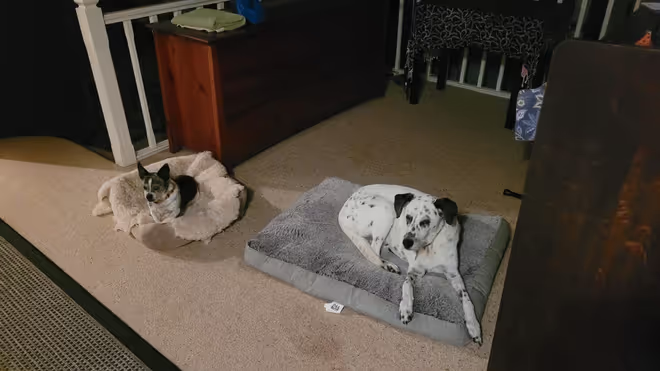
Warning Signs: Reading a Dog Before a Bite Happens
Most bites are not random. They follow observable signals that build from "uncomfortable" to "about to bite." Learning to read this sequence is the single most effective prevention strategy, more so than any breed assumption or rule of thumb.
The table below covers the warning signs from early discomfort through to the final moment before a bite. Read the whole dog (tail, ears, eyes, mouth, and posture together) rather than any single signal in isolation. Our full reactive dog guide covers the complete body language reference in detail.
| Stage | What you see | What it means | What to do |
|---|---|---|---|
| Discomfort (early) | Lip licking, yawning when not tired, turning head away, paw lift | Stress response — dog is uncomfortable and signalling it | Reduce pressure, create distance, stop approaching |
| Escalating stress | Whale eye (whites visible), tail tucked, ears back, body lowered, shaking off | Dog is increasingly distressed and may be considering escape | Back away calmly, no sudden movement, give the dog an exit |
| Active warning | Stiff body, hard stare, raised hackles, closed mouth, still tail | Dog is ready to act — this is the last clear warning before a snap | Freeze, avoid eye contact, very slowly create distance |
| Threat display | Growl, snarl, lips raised, teeth bared | Dog is communicating intent directly | Do not reach toward the dog — back away, do not run |
| Pre-bite | Lunging forward, short sharp bark, snapping in air | Milliseconds before contact | Protect the face and hands, use your body sideways not face-on |
One important note: a dog that skips most of this sequence and bites without visible warning has usually shown earlier signals that were missed or suppressed. Dogs that have been punished for growling often stop growling and bite instead. This is why the early stages matter most.
Resource guarding is a specific trigger worth understanding separately. A dog that becomes completely still and hard-eyed while eating, or stands over its bowl as you approach, is resource guarding. Intervening to move the food dish or separate two dogs at feeding time without understanding this can result in a bite with almost no warning display. The forum thread we read while researching this article describes exactly that sequence ending in hospitalisation.
Immediate Medical Response
Starting wound care within 6 hours reduces infection risk from 59% to approximately 8%. The steps below are based on guidance from the Mayo Clinic, MedlinePlus, and NIH/StatPearls (2025).
Step 1: Wash the wound. Run the bite under lukewarm water with mild soap for at least 5 full minutes. This mechanical flushing is the single most important step for removing bacteria. Do not use hydrogen peroxide as it damages healing tissue. Do not use concentrated antiseptic without dilution.
Step 2: Control bleeding. Apply firm, steady pressure with a clean cloth. Elevate the limb if possible.
Step 3: Apply antibiotic ointment and cover. After washing, apply an over-the-counter antibacterial ointment and cover with a clean bandage.
Step 4: Get medical care. Any bite that breaks the skin requires a medical assessment, regardless of how minor it seems. This is not optional. A doctor will re-clean the wound, assess whether it needs to remain open (most puncture wounds should not be stitched closed), and determine whether antibiotic prophylaxis is needed.
Go to emergency care immediately if: the bite is on the face, hand, neck, or a joint; bleeding does not stop after 15 minutes of pressure; or there are signs of nerve or deep tissue involvement.
Tetanus: If your last booster was more than 5 years ago and the wound is deep or dirty, you will likely need a booster. Tell the doctor at the assessment.
Rabies: If you cannot confirm the dog's rabies vaccination is current, raise this with the doctor immediately. Ask the homeowner for the vaccination certificate, not just their verbal assurance. Many countries require documentation, not verbal confirmation.
Signs of infection in the days following: increasing redness, swelling, warmth, pus, red streaks spreading from the wound, fever, or worsening pain all require immediate medical attention. Dog bites carry bacteria including Pasteurella, Staphylococcus, and Capnocytophaga, any of which can cause serious infections if untreated.
| Bite location | Infection risk | Notes |
|---|---|---|
| Hand | Highest | Deep structures, tendons, joints all at risk — always seek medical care |
| Face | High | Cosmetic implications; early closure may be appropriate unlike most bite wounds |
| Leg or body | Moderate | Cleanse thoroughly; assess for depth |
| Foot | High | Difficult to clean; high infection risk |
| Minor surface scratch | Low | Clean thoroughly; monitor for infection signs |

Document Everything Immediately
Before or alongside first aid: photograph the wound with your phone. Timestamp matters: many phones embed this automatically, but send the photo to yourself via WhatsApp or message so the time is independently recorded.
Message the homeowner in writing as soon as you are physically able to do so. Keep it factual: what happened, when, what the dog did, where you were bitten, and what immediate steps you have taken. This is not the moment for accusation or emotional language. It is the moment to create a written record of the incident with a timestamp.
This documentation protects you in three ways. It establishes the timeline if the homeowner later disputes that the incident happened. It creates evidence for any platform dispute. And it is what any insurer or medical provider will want to see.
If there are other witnesses (a neighbour, another person in the home) note their details.
What THS Cover Actually Applies
This is the area of most confusion among sitters, and the honest answer is that the platform cover does not protect you from a dog bite.
THS's Accident and Third Party Liability Plan covers damage or injury the pet causes to other people, their property, or their animals, due to the sitter's negligence. It is not coverage for the sitter being injured. In THS's own words from their support documentation:
"Third party liability insurance does not cover a house sitter if they are bitten by a pet during a sit. This insurance is intended to cover damage or injury caused by the pet to other people, their property, or their pets due to the sitter's negligence, but not injuries to the sitter themselves. For personal injuries, we recommend that sitters arrange their own health or travel insurance."
This is confirmed at THS support and their insurance FAQ.
Our full house sitting insurance guide covers every plan across all major platforms in detail. The key takeaway for this article: if you are a full-time nomadic sitter, personal travel or health insurance that covers animal bites and medical treatment abroad is something you need to arrange yourself. Platform membership is not a substitute.
Contacting THS After a Bite
If you are bitten during a THS sit, contact Membership Services. Document the conversation. If the bite is serious and you believe the homeowner knew the dog had a history of biting, raise a formal Member Dispute. The email address is support@trustedhousesitters.com with "member dispute" in the subject line.
THS clause 5.2.4 is explicit: homeowners must ensure that no pets left in a sitter's care have ever caused physical harm to a person or animal, no matter how minor the injury. A homeowner who knew about a biting history and did not disclose it has breached this clause. That gives you documented grounds for a dispute, including requesting that the homeowner's account be reviewed.
The March 2026 forum thread we referenced is a candid account of what the community experience with THS's bite incident response actually looks like: slow, disorganised, and not proactive about protecting subsequent sitters from the same dog. The platform has not changed its terms to address this. Our advice: raise the dispute in writing, be persistent, and use the forum's community resources if the formal process stalls.
For other platforms including Nomador and Aussie House Sitters: no specific bite incident protocol and no liability cover for sitter injuries. The same principle applies: your personal insurance is what matters.
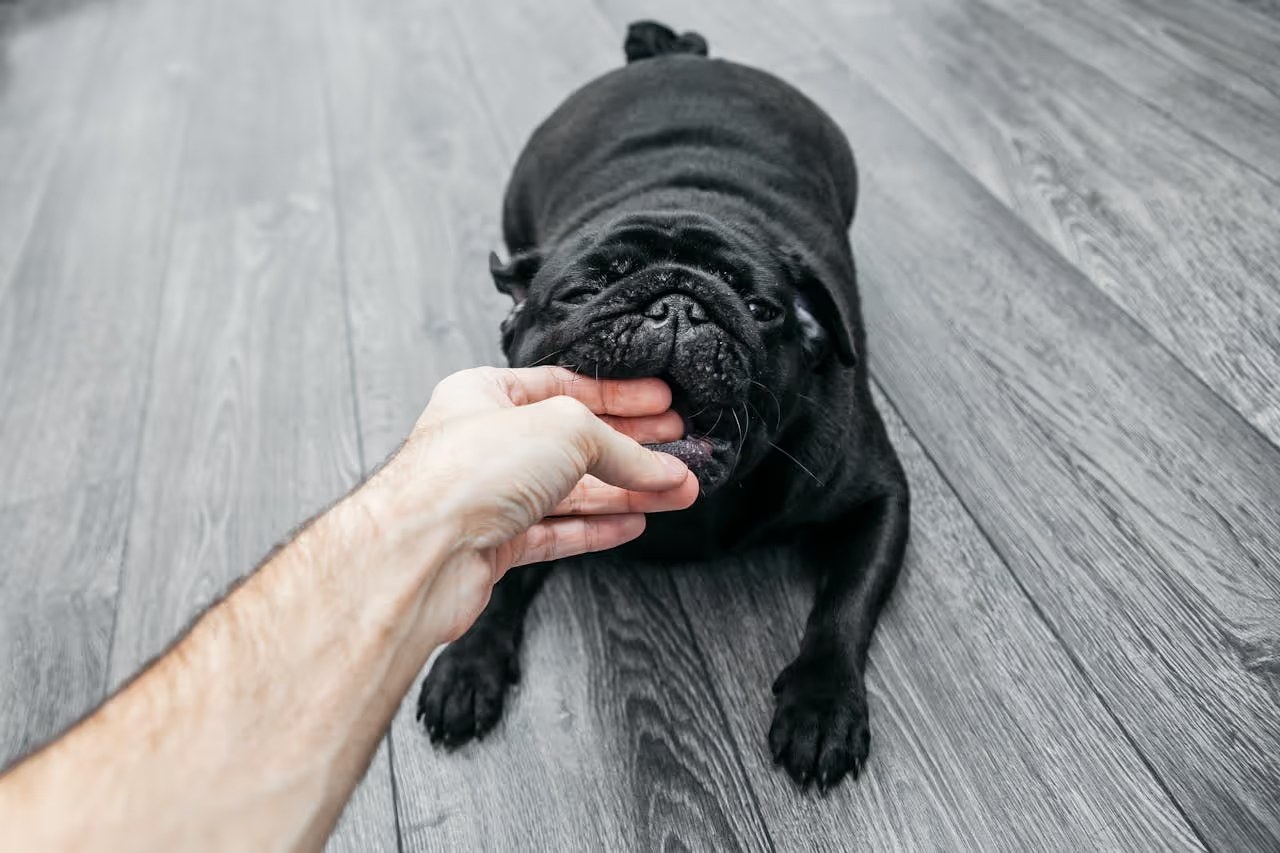
Liability: Who Is Responsible?
This is a legal question that varies by country, and we are not lawyers. The general picture:
In most jurisdictions, the homeowner bears primary liability for injury caused by their dog. A sitter who was bitten while following the homeowner's instructions and caring for the animal as agreed has a strong argument that the homeowner is responsible for any medical costs, especially if the dog had a prior history that was not disclosed.
If the homeowner's home insurance covers dog bite liability, that may be the relevant claim route. THS's terms require homeowners to have adequate home insurance covering the occupancy of a sitter. Whether that home insurance specifically covers dog bite injury to the sitter varies by policy.
Keep all receipts for medical treatment. If you are travelling internationally and paying out of pocket, those costs are what you will need reimbursed. Do not discard any documentation.
Our property damage guide covers the parallel question of documentation and evidence from the sitter's perspective.
The Review Question
Our view: write the review accurately. Other sitters have a right to know.
The THS forum has sitters who felt too guilty about "lovely" homeowners to leave a negative review after a serious bite incident. We understand that impulse. The homeowner may have had no idea the dog was capable of it. The situation may have been handled decently afterwards. None of that changes the fact that the next sitter who applies to that listing deserves to know what happened.
Across 20 sits with many dogs of many temperaments, we have not been bitten once. That makes a bite, if it happened, significant enough to mention in a review. The review does not need to be dramatic. A factual note is enough: "One of the dogs bit me during the sit. The homeowner was responsive when informed. Please ask directly about the dog's behaviour history before accepting."
That is useful information. The sitter who reads it can make an informed decision. The one who does not have it cannot.
Continuing the Sit After a Bite
This depends entirely on the severity of the bite and your own assessment of safety.
A warning snap that does not break the skin, from a dog you understand was resource guarding or startled, is different from an unprovoked attack. After a snap, you have more information about the dog's triggers than you did before. If you can manage the situation safely with that knowledge (changing your behaviour at feeding time, increasing distance in specific contexts) continuing is a reasonable choice.
If the bite was serious, unprovoked, or left you feeling unsafe, contact the platform and consider ending the sit. This is one of the grounds on which THS considers a sit cancellation justifiable. Arrange alternative accommodation before leaving. Do not leave the animal without care while the situation is being resolved.
Conclusion
A dog bite during a house sit is rare. Across all our sits with dogs ranging from Chihuahuas to Great Danes, the closest we have come is a warning snap from an elderly, territorial dog. Good animal observation, reading early stress signals, and not forcing contact are what keep that risk low.
If it does happen: clean the wound immediately, photograph everything, message the homeowner in writing, seek medical care if the skin was broken, and report to the platform. Know before you sit that your personal health or travel insurance is what covers your own injuries, not the platform membership.
Join TrustedHouseSitters with 25% off and read our reactive dog guide before any sit involving a dog you are uncertain about. For the full picture on what platform plans actually cover, see our insurance guide.
DM us @housesittersguide on Instagram with questions about a specific sit or incident. We answer everyone.

Frequently Asked Questions
What should I do immediately after a dog bite during a house sit?
Wash the wound with soap and running water for at least 5 minutes, photograph the bite immediately, and message the homeowner in writing. Seek medical care if the skin was broken. This applies regardless of how minor the bite appears. Confirm the dog's rabies vaccination status. See the step-by-step section above for the full medical response.
Does TrustedHouseSitters insurance cover dog bites to the sitter?
No. The Third Party Liability plan covers damage or injury the pet causes to other people, their property, or their animals. It does not cover injury to the sitter. You need personal health or travel insurance for your own injuries. This is confirmed in THS's own support documentation. Our house sitting insurance guide covers what each platform plan actually includes.
What if the homeowner didn't disclose the dog had bitten before?
THS clause 5.2.4 prohibits homeowners from listing dogs that have ever caused physical harm. If the homeowner knew and did not disclose it, they have breached the platform's terms. Document the bite, contact Membership Services, and raise a formal Member Dispute if needed. You have grounds to request a review of the homeowner's account. See our guide to conflict resolution for how to raise the dispute effectively.
Should I mention a dog bite in the review?
Yes, accurately and factually. Other sitters have a right to know. You do not need to be harsh. A factual note about what happened and how it was handled is both fair and useful. A homeowner who fails to disclose a dog's biting history in the listing is not protected by the fact that they were otherwise pleasant.





Responses
What are your thoughts on this post?