

Home > Blog > Campervan Setup for House Sitters
Quick Facts
| Our van | VW T4 — approximately 6m² of living space |
| Bed size | 200x140cm (6.5ft x 4.6ft) — converts from two couches |
| Mattress | 9cm thick |
| Power setup | 200Ah power station charged via Victron 12/12v charger from the alternator |
| Storage | 350L under-bed storage for clothes, gear, and supplies |
| Laundry approach | Every two weeks — at house sits, Airbnbs, or paid laundromats |
| Daily travel cost | €50-60 covering everything including food and fuel |
| Honest reality | The space is significantly smaller than it looks in Instagram content |
Our VW T4 gives us 6m², a 200x140cm bed and 350L of storage for a fraction of a €30,000 Sprinter build. A 200Ah power station lasts four days off-grid, and in 19,000km nothing has been broken into or moved on.
Caro and I have been living in a VW T4 campervan since November 2025. Six metres squared of living space, including the front cab. When we first started planning the build, most van life content online was about Sprinters and Transits. Purpose-built, fully kitted, standing-height vans that cost €30,000 to €60,000 before a single panel is touched. We went in a different direction, and across 24,000km and 12 countries it has been one of the best decisions of the trip.
This article covers exactly how the van is set up, why a small unassuming van is often better for the kind of travel that combines with house sitting, and what the honest version of campervan life looks like when Instagram is not involved.
For the route planning and house sitting combination, read our campervan travel between house sits guide. For the broader case for combining van life with house sitting, see our van life upgrade guide. Use our 25% THS discount when joining TrustedHouseSitters.
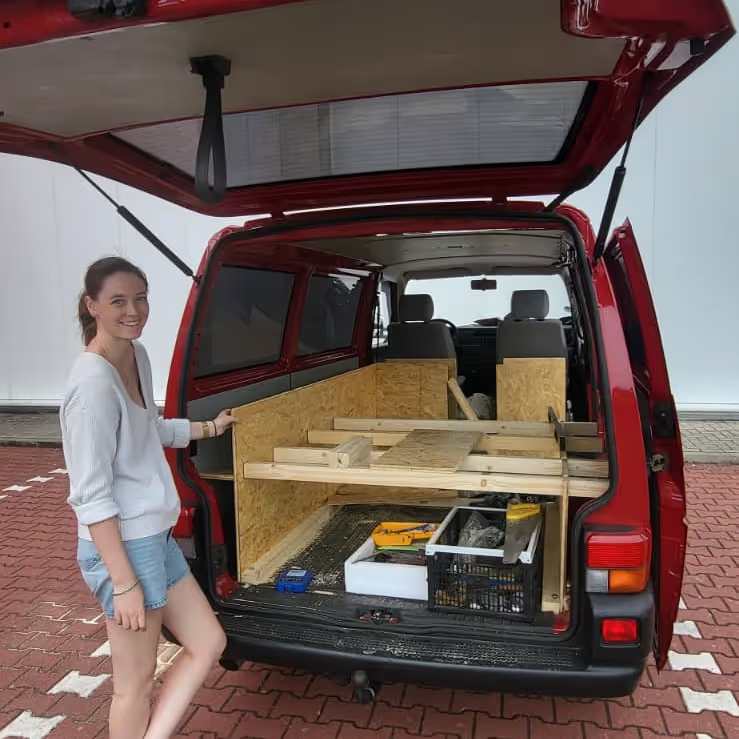
Why the VW T4 and Not a Sprinter
The standard advice in the van life community is to buy the biggest van you can afford, fit it out properly, and embrace the freedom. For a certain kind of travel, this is correct. For the kind of travel that combines with house sitting across Europe, a smaller, older, unremarkable van is often a better choice.
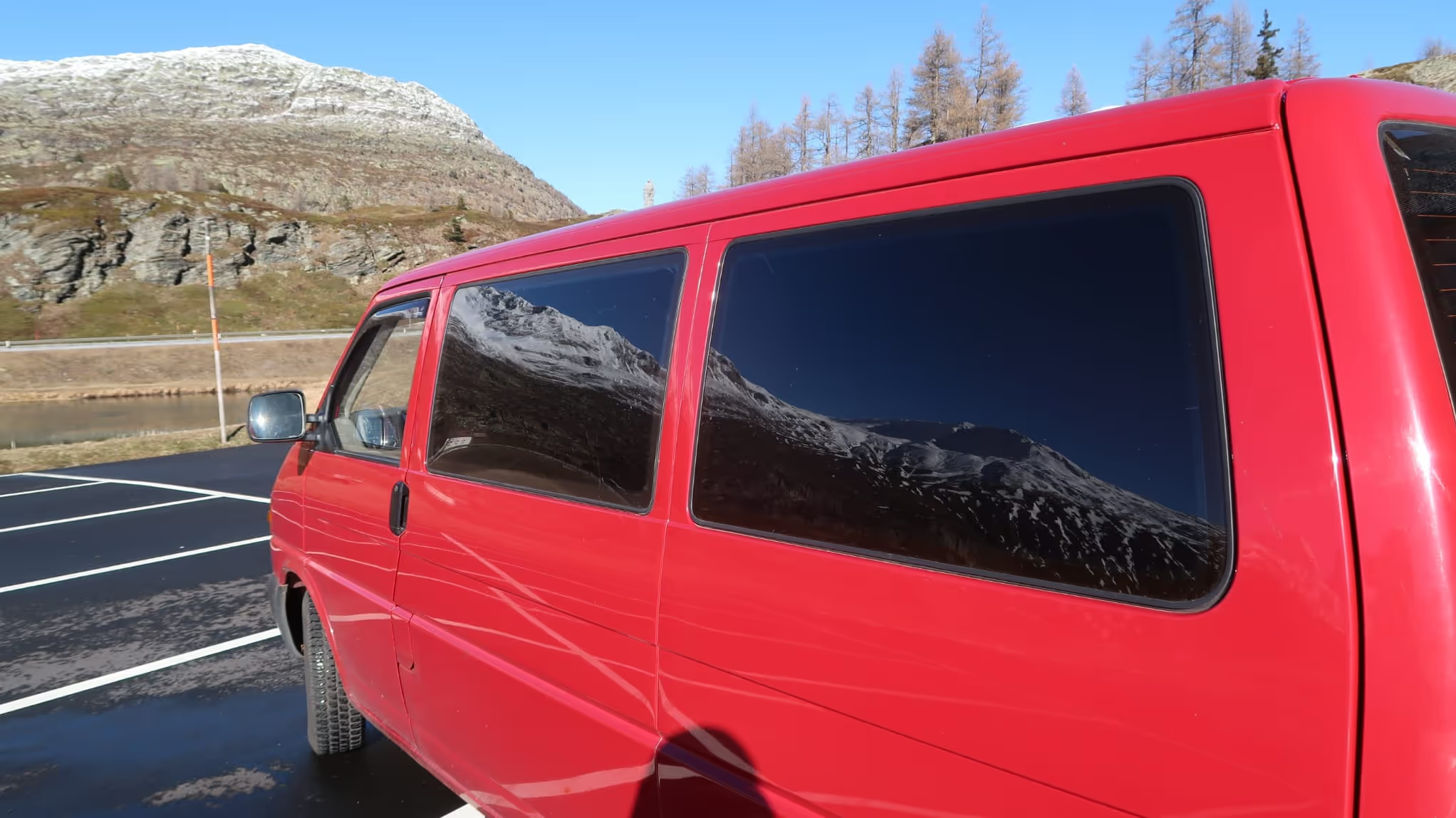
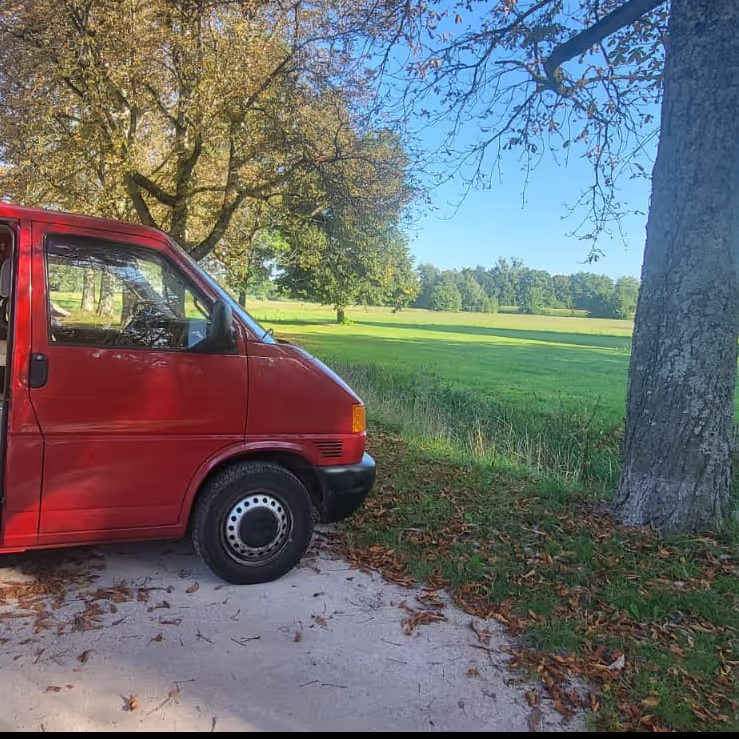
The VW T4 looks like a working van. It is red. It is not lifted, not kitted out on the outside, not plastered with adventure stickers. It parks alongside vans that belong to plumbers and electricians and nobody looks twice. This matters for several practical reasons.
Stealth is the first. We have never been moved on by police in 19,000km of driving. We have never had anyone attempt to break into the van. We sleep in city streets, in car parks, along rural roads, in ferry terminals, and in none of these places has the van attracted attention. A purpose-built van conversion signals overnight sleeping to anyone who looks at it. A working van signals nothing.
Access is the second. The T4 sits under 2m10cm in height. This means underground car parks, low-clearance roads in old European cities, and the smaller ferry lanes are all available. Larger vans cannot fit into significant parts of the built environment in older European countries. We have driven down mountain roads and village lanes that a Sprinter with a high-top roof would not attempt.
Ferry costs are cheaper for lower vehicles. Toll roads do not differentiate by van size in most countries, but some do, and the smaller overall footprint helps.
The third reason is the starting principle itself: we were not sure if this lifestyle was for us. Spending €40,000 on a custom Sprinter build to find out that you prefer a warm apartment after six months would be an expensive discovery. We bought the T4 to test the lifestyle at a fraction of the cost. Across 20 sits in 12 countries, with 19,000km on the van since we left, the investment has paid back many times over. When we upgrade to a larger van. Which we plan to do. We will do it knowing exactly what we actually need from the space, because we have lived in a small one long enough to understand it.
For anyone starting out with campervanning and house sitting, an older VW T4 is one of the best starting points available. Reliable, fuel efficient, affordable to maintain, and invisible.
The Bed: The Most Important Decision in Any Campervan Build
If the bed is wrong, everything else is wrong. Poor sleep compounds over days and weeks into a form of misery that no beautiful view fixes. This was the first and most important principle when building the T4.
The bed converts from two couches: one facing the rear of the van, one facing inward. When the mechanism is deployed, the two couches pull together and flatten to create a 200x140cm sleeping surface. The same dimensions as the mattress Caro and I had in our flat in Bochum before we left. We did not compromise on bed size. The mattress is 9cm thick, which is substantial for a van. The sleeping quality has been consistently good across 19,000km of travel.
The mechanism is a 200x140cm sheet of plywood cut into four sections with hinges connecting them. The engineering is simple. The result is reliable. When it is up it is two comfortable seats. When it is down it is a proper bed. Nothing wobbles, nothing creaks, and there are no improvised sleeping positions.
The lesson for anyone building or buying a van: the bed dimension is the foundation of the whole build. Design around the largest sleeping surface that the van will accommodate before placing anything else.
Temperature Management: -8°C to Extreme Summer Heat
The T4 has no insulation. This sounds like a significant omission until you have experienced it in practice.
In winter, sleeping at -8°C (17°F) outside temperature is comfortable with the right bedding. The mattress prevents the cold from conducting up from the floor. A thick down duvet and individual sleeping bags rated to 0°C comfort temperature provide sufficient warmth for two people. Two people in a small enclosed space also generate meaningful heat. The space is so compact that body temperature alone keeps the interior significantly warmer than the outside air.
When it drops beyond manageable, we run the van engine briefly to generate cabin heat, or we book a budget Airbnb or hotel for the coldest nights. This is not a failure. It is the pragmatic response to an extreme. For most of a European winter, the sleeping setup is adequate.
Summer is harder. Metal boxes in direct sunlight become uncomfortably hot. We manage by parking in shade wherever possible, opening the side and rear doors to create airflow, and running van fans. When the temperature becomes truly unbearable. Which it did on several days in southern Europe. The same response applies: a cool indoor space for a night costs less than a poor night of sleep costs in mood, productivity, and patience.
The absence of insulation has been less of a problem in practice than it looked on paper. The combination of a warm bed and a small space handles the cold well enough, and the summer problem is shared by every van regardless of insulation quality.
The Power Setup: What Actually Works
This is the second version of the system. In our first T4 in Australia, we installed a leisure battery connected to the alternator and an inverter for device charging. It worked, but the inverter drew down the battery faster than expected. Inverters convert 12v DC to 230v AC, and the conversion losses add up over hours of laptop use.
In the European T4, we upgraded to a dedicated power station. A 200Ah unit. Charged via a Victron 12/12v charger connected to the van's alternator. Driving for one hour charges approximately 100 watts, which is the current limitation of the setup. The power station handles laptop charging, phone charging, lighting, and occasional device use. With careful management, we can stay in one location for up to four days before needing to drive or connect to mains power.
The next upgrade will be a separate LiFePO4 leisure battery added alongside the power station. This will allow the power station to be charged from the leisure battery while the fridge runs independently from the battery 24/7. The Victron charger will also increase overall charging speed. The current setup is workable; the upgraded setup will remove the four-day limit entirely.
Solar is the other input. We have the capacity to connect a portable solar panel which charges the battery on sunny days. In southern Europe from spring through autumn, solar input is meaningful. In northern Europe in winter, it is supplementary at best.
For anyone building a van power system: start with a proper battery-to-battery charger like the Victron rather than a basic split charge relay. The Victron charges efficiently and protects both batteries. The inverter draws down power faster than direct USB and 12v charging. Use direct charging wherever possible.
Kitchen and Cooking: The Honest Version
The van has a induction cooker and a kettle. What we actually eat most of the time is sandwiches, salads, and takeaway food.
Cooking a full meal in a 6m² van is possible. It is also truly inconvenient. Counter space is limited. Getting to the cooker requires moving things. Washing up requires heating water. The total friction of preparing a proper cooked meal in a small van means that we simply do not do it often. During the months of travelling between sits, the food budget includes a significant proportion of café stops, local takeaway, and simple cold meals.
This is the honest version of van life cooking that most content does not show. The aesthetically pleasing photos of people cooking elaborate meals over camping stoves in scenic locations exist, but they are not what daily van life looks like. Daily van life is a good sandwich and a coffee at a café table, because that is what the constraints of the space realistically produce over time.
The house sit solves this completely. A house sit comes with a full kitchen, a proper cooktop, counter space, and room to move. Our cooking quality and food budget both improve significantly during sits. This is one of the practical reasons the combination of van and house sit is more sustainable than van alone over a long period.
A small fridge in the van is on the upgrade list. Currently, food that requires refrigeration is bought in quantities for one to two days at a time. The planned LiFePO4 battery addition will allow a 12v van fridge to run continuously, which will change the cooking dynamic meaningfully.
Storage: 350L and the Laundry Question
Under the bed is approximately 350L of storage. The primary wardrobe, gear storage, and supply area. Clothes that will be worn regularly live in the accessible section near the rear doors. Things needed less frequently are stored deeper in. Everything has a place, and that place is specific enough that the van does not feel cluttered most of the time.
The laundry system runs on a two-week cycle. A designated laundry bag collects dirty clothes and bed sheets throughout the trip. Every two weeks, the bag empties into a machine. At a house sit, at a paid laundromat, or at a well-priced Airbnb that includes a washing machine.
The Airbnb laundry calculation is worth making explicit. In Italy, a single laundromat session including the dryer cost €30. In North Macedonia, a four-night Airbnb with washing machine, kitchen, and workspace cost €100. For a 30€ premium over the laundromat cost, we had four nights of proper accommodation, cooked meals, reliable WiFi, and a dedicated workspace. The Airbnb was obviously the better choice. When the combination of laundry, workspace, and comfort aligns at the right price, a budget Airbnb beats a laundromat on every dimension except pure cost efficiency.

The Things Van Life Instagram Does Not Show
This is the section that most van life content skips. The reality of full-time van living has elements that are not photogenic.
The space is smaller than it looks. Six square metres feels fine for an afternoon. After a week, the dimensions become familiar in a way that includes all their limitations. There is no room to pace. There is no door to close for privacy. There is no space to be in different rooms when both people are tired and irritable.
Two people in a small van requires genuine communication. If you get annoyed easily, or if conflict between you tends to simmer rather than resolve, the van will not improve that dynamic. It will compress it. Space is the buffer that most relationships rely on without knowing it. Remove the buffer and the underlying patterns become visible very quickly.
Sleep quality is affected by things outside your control. Streetlights through blackout shades that are never fully dark. Noise from other vehicles, pedestrians, and passing traffic. The ambient alertness that comes from sleeping in a public space. A persistent low-level awareness of people passing close to the van.
The vanning community is quieter than its online presence suggests. Other vanners tend to retreat into their own spaces. You exchange brief greetings at Park4Night stops and occasionally share a coffee. The friendships that do form are consistently good ones. People on a similar wavelength tend to find each other. But the social dimension of van life is more solitary than the community content implies.
You are giving up real things. Unlimited running hot water. A toilet at 3am. A shower whenever you want one. The physical safety that a locked front door and a fixed address provide. None of these absences is insurmountable, but all of them are real, and anyone who has not lived without them for a long stretch should be honest with themselves about whether they are prepared to.
This is, incidentally, why the house sit is so good. A house sit restores every one of those missing things for the duration. A proper bathroom. A kitchen. A locked door. A stable address. A place that is set up for living rather than for travelling. The van is freedom. The house sit is recovery. Together they make a sustainable lifestyle that neither alone would be.
Setting Up for Success: What Matters Most
Based on 19,000km and six months of continuous travel, the priorities for a van that will be used between house sits are:
| Priority | What this means in practice |
|---|---|
| Bed first | Size and mattress quality determine sleep quality. Design the entire layout around the largest possible bed |
| Power before comfort | A reliable charging system for laptops and phones is non-negotiable for remote workers |
| Stealth over aesthetics | An unremarkable van parks more places, attracts less attention, and costs less |
| Storage that is actually accessible | Under-bed storage only works if the most-used items are reachable without unloading everything else |
| A small fridge | Day-to-day food quality depends on it — put it on the upgrade list early |
| Keep the build cheap at first | Test the lifestyle before investing heavily in the vehicle |
The combination of a functional, modest campervan with a house sitting lifestyle removes the friction from extended travel. The van covers the movement. The house sit covers the rest. After 20 sits across 12 countries and 19,000km of road, both remain exactly the right tool for what we are doing.
Conclusion
The VW T4 is not glamorous. It is 6m², has two convertible couches that become a bed, runs a modest power station through a Victron charger, and looks like a van that might be delivering something. It has not been broken into, has not attracted police attention, and has driven roads that a larger van could not attempt. It has been reliable, affordable, and exactly sufficient for the gap between house sits.
Van life is truly freeing. It is also truly uncomfortable in specific ways that the content does not represent. The combination of van and house sit addresses most of the discomfort: the sit provides what the van cannot, and the van provides what a fixed address cannot. The two together make a lifestyle that sustains itself.
For the financial picture of what house sitting saves across a trip, read our is house sitting worth it guide. For the route planning side of combining van travel with sits, read our campervan travel between house sits guide. For how to find sits while on the road, read our house sitting opportunities guide.
Join TrustedHouseSitters with 25% off and DM us @housesittersguide on Instagram. We answer everyone.

Frequently Asked Questions
What is the best campervan for house sitting travel in Europe?
An older, smaller van like a VW T4 is one of the best starting options for house sitters. It is stealthy, fuel efficient, fits into tight spaces and low-clearance car parks, and costs a fraction of a purpose-built Sprinter conversion. The key trade-off is standing height and space. For testing the lifestyle before a major investment, a smaller van is the more sensible starting point.
How do you stay warm in a campervan in winter?
A thick mattress, a quality down duvet, and individual sleeping bags rated to 0°C (32°F) manage most European winter temperatures. We have slept comfortably at -8°C (17°F) outside temperature in an uninsulated van. Two people in a small enclosed space generate significant body heat. For extreme cold, a brief engine run for cabin heat or a budget Airbnb for the coldest nights is the pragmatic response.
How do you manage power in a campervan for remote work?
A dedicated power station charged via a Victron 12/12v charger from the alternator covers laptop and device charging. One hour of driving provides approximately 100 watts. A 200Ah power station allows approximately four days of stationary use before needing to drive or connect to mains power. Adding a separate LiFePO4 leisure battery improves this significantly.
Is van life compatible with remote work?
Yes, but with limitations. The van provides movement and freedom. The house sit provides the stable desk, reliable WiFi, and physical space that sustained productive work requires. Between sits, remote work in the van is feasible for tasks that do not require extended concentration. For deep work, the house sit is the better environment. Read our remote working guide for the full picture.


Responses
What are your thoughts on this post?